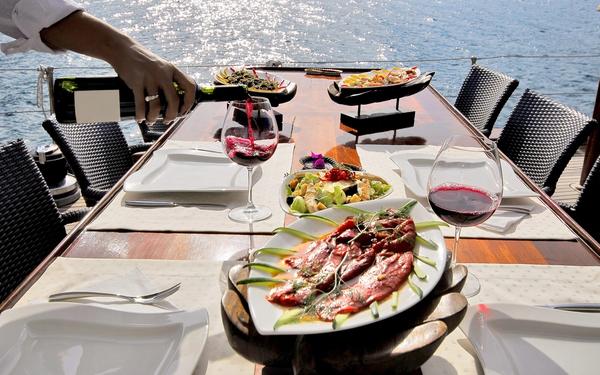
Dream Cruise Routes for Foodies 2024
Embark on a culinary odyssey where the ocean serves as your dining room! Sail through stunning coastlines and savor the world's most delectable dishes at every port.
5 min read
Airline food has a reputation for being bland and uninspiring, but quality varies dramatically by airline, route, and cabin class. Understanding what to expect—and how to make the most of in-flight dining—can significantly improve your travel experience.
This guide reveals what airlines serve in each cabin class, which carriers have the best food, how to request special meals, and insider tips to make airline food taste better (or skip it entirely).
Even on full-service airlines, meal options can run out, flights get delayed, or you might not like what's served. Pack protein bars, nuts, or sandwiches in your carry-on as insurance.
Economy Quality
Excellent
Highlights
Best For
Food lovers
1-2 meal options, plastic cutlery, limited portions
Pre-order meals if available to guarantee your choice. Bring snacks for backup. Request extra bread or fruit if still hungry.
3-4 meal options, better quality, larger portions
Enjoy better ingredients and more choices than economy. Meals are served on real plates with metal cutlery.
Multi-course dining, premium ingredients, chef-designed menus
Take advantage of à la carte menus and dine-on-demand. Request wine pairings and don't skip dessert.
Restaurant-quality, unlimited options, personalized service
Order from the full menu anytime. Try signature dishes and caviar service. Request chef recommendations.
Embark on a culinary odyssey where the ocean serves as your dining room! Sail through stunning coastlines and savor the world's most delectable dishes at every port.
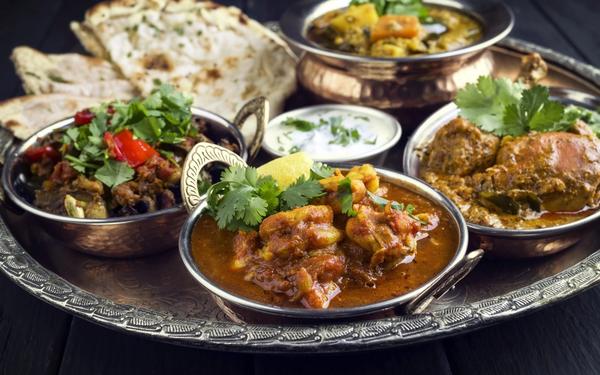
Here's a culinary journey that will tickle your taste buds and inspire your next adventure—explore the globe through its most delectable dishes!
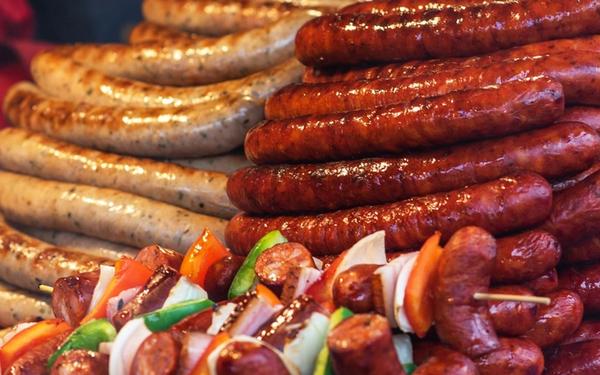
Did you know that Vienna is home to the world’s first coffee house, dating back to 1683? Sip on a cup of history while indulging in local pastries!
Everything you need to know about in-flight meals
Short flights (under 2 hours) typically offer snacks or light refreshments. Medium flights (2-5 hours) serve one meal (breakfast, lunch, or dinner depending on time). Long-haul international flights (6+ hours) provide 2-3 full meals plus snacks. Meal service depends on flight duration, time of day, and cabin class. Budget airlines charge for all food and drinks.
Yes, solid foods are allowed through security in most countries. Pack sandwiches, fruits, snacks, and baked goods. Liquids, gels, and spreads (yogurt, hummus, peanut butter) must follow the 3.4oz/100ml rule or go in checked bags. Avoid smelly foods (tuna, hard-boiled eggs) out of courtesy. International flights may confiscate fresh produce at customs.
Book special meals (vegetarian, vegan, gluten-free, kosher, halal, etc.) at least 24-48 hours before departure through the airline's website or app. Most airlines offer 10-15 meal options. Special meals are often prepared separately and served first. Confirm your request 24 hours before the flight—errors happen. Budget airlines typically don't offer special meals.
Yes, airline food is prepared in certified catering facilities with strict health standards. Meals are cooked, chilled, and reheated on board. However, your taste buds are 30% less sensitive at altitude due to low humidity and cabin pressure, making food taste bland. Airlines compensate by adding extra salt and spices. If you have a sensitive stomach, stick to simple, familiar foods.
Economy: pre-plated meals with 1-2 options, plastic cutlery, limited portions. Premium economy: better quality ingredients, more choices, real cutlery. Business class: multi-course meals, à la carte menus, premium ingredients, wine pairings, real china/glassware. First class: restaurant-quality dining, chef-designed menus, caviar, champagne, dine-on-demand service. Quality varies significantly by airline.
Some airlines (Emirates, Singapore, JAL) allow pre-ordering specific meals 24-72 hours before departure, even in economy. This guarantees your preferred option and ensures you're not stuck with the last choice. Check your airline's app or website for 'pre-order meals' or 'meal selection' options. Not all airlines offer this—many assign meals randomly.
No, budget carriers (Ryanair, EasyJet, Spirit, Frontier) charge for all food and drinks, including water. Expect $3-5 for snacks, $8-12 for sandwiches, $3-7 for drinks. Pre-order meals online for 10-20% savings vs. buying onboard. Always bring your own snacks and empty water bottle (fill after security) to save money.
Politely ask if alternative options are available—flight attendants sometimes have extra meals or can offer multiple snacks instead. Bring backup snacks (protein bars, nuts, crackers) in your carry-on. On long flights, you can usually request extra bread, fruit, or cheese. If you have dietary restrictions, always bring your own food as a safety net.
Most full-service international airlines offer complimentary beer, wine, and spirits in all cabins. US domestic flights typically charge $7-10 for alcohol in economy. Budget airlines charge $5-12 for alcoholic drinks. Premium cabins serve premium liquors, champagne, and wine. Drink responsibly—alcohol affects you more at altitude due to lower oxygen levels.
Bring hot sauce, salt, or seasoning packets to enhance flavor (taste buds are 30% less sensitive at altitude). Choose tomato-based dishes—umami flavors hold up better. Avoid heavy, creamy sauces that taste bland. Stay hydrated—dehydration dulls taste. Order Asian or spicy cuisines, which tend to have bolder flavors. If possible, eat before boarding and just snack on the plane.
Use our packing list generator to remember snacks and essentials for your journey.
Economy Quality
Very Good
Highlights
Best For
Long-haul comfort
Economy Quality
Excellent
Highlights
Best For
Japanese food fans
Economy Quality
Good
Highlights
Best For
US domestic
Economy Quality
Average
Highlights
Best For
Budget-conscious
Economy Quality
Pay-to-eat
Highlights
Best For
Short flights only
© 2026 ClickTravelTips. Made for travelers worldwide.