Aerolíneas Adds Six Boeing Jets
July lease deal targets more capacity from Buenos Aires to Argentina and South America
What Changed
Who It Affects
Aerolíneas Argentinas will lease six Boeing 737-10 aircraft, boosting future capacity from Buenos Aires hubs to domestic and South American destinations.
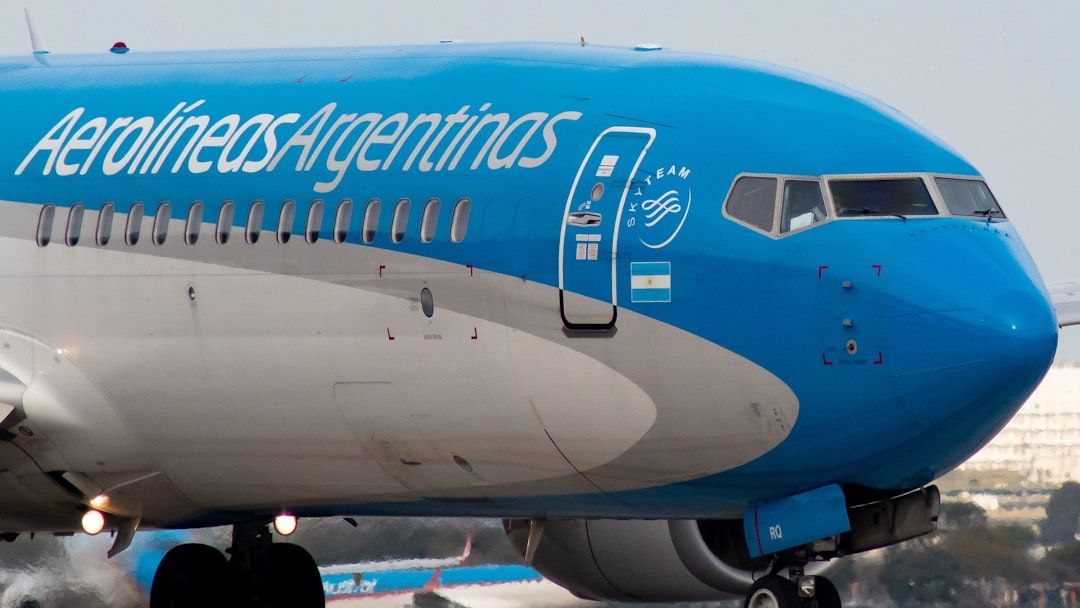
Aerolíneas Argentinas is set to expand its future fleet after signing lease agreements for six new Boeing 737-10 aircraft with Aviation Capital Group, according to an announcement on 2026-07-26. The move is aimed at adding capacity from the airline’s busy Buenos Aires hubs, Aeroparque Jorge Newbery Airport and Ezeiza Airport. For travellers, the key impact is not an instant schedule change but the prospect of more seats and potentially wider route flexibility across Argentina and South America once the aircraft are introduced into service.
What Was Announced
Aviation Capital Group, a global aircraft asset manager, confirmed lease agreements with Argentina’s flag carrier for six Boeing 737-10 aircraft. These aircraft are intended to strengthen Aerolíneas Argentinas’ narrow-body operations, which are especially important for domestic and regional flying. The announcement specifically points to additional capacity from Buenos Aires, serving destinations throughout Argentina and South America. Exact routes, seat configurations, and deployment timing were not confirmed in the announcement, so travellers should wait for published schedules before making firm assumptions.
Why Buenos Aires Airport Choice Matters
Aerolíneas Argentinas operates from two key Buenos Aires airports: Aeroparque Jorge Newbery and Ezeiza. Aeroparque is closer to central Buenos Aires and is heavily used for domestic and regional services, while Ezeiza is the main long-haul international gateway. This matters because many international travellers arrive at Ezeiza but may need to continue from Aeroparque for domestic Argentine flights. If the new aircraft support extra regional or domestic capacity, airport transfers will remain one of the most important planning points for visitors.
How This Could Affect Travellers
The most likely traveller benefit is improved capacity on busy corridors, especially where demand is strong from Buenos Aires to popular Argentine and South American destinations. More aircraft can give an airline greater flexibility to add frequencies, replace older capacity, or improve schedule resilience, although these outcomes depend on operational planning and regulatory approvals. Travellers may eventually see more convenient departure times, better connection options, or more competitive fares on selected routes. However, aircraft lease announcements do not automatically translate into immediate timetable changes, so the practical advice is to monitor live schedules rather than book based on the announcement alone.
Practical tips
- Tip 1: If you are planning Argentina or South America travel, monitor Aerolíneas Argentinas schedules from both Buenos Aires airports, as added aircraft capacity may eventually create more flight options or better-timed connections.
- Tip 2: Check which Buenos Aires airport your flight uses before booking connections, because Aeroparque Jorge Newbery and Ezeiza are separate airports and transfers between them can take significant time depending on traffic.
- Tip 3: Do not assume the new Boeing 737-10 aircraft will appear on a specific route immediately; aircraft deployments can change, so verify the aircraft type and schedule directly with the airline close to departure.
- Tip 4: If you are booking a domestic Argentina itinerary after an international arrival, build in a generous buffer, especially if you need to change airports in Buenos Aires or clear immigration and customs first.
Mistakes to avoid
- ✕Mistake 1: Assuming this announcement means immediate new flights are available; the lease deal signals future capacity, but route-by-route schedule changes still need to be published by the airline.
- ✕Mistake 2: Booking a tight connection between Ezeiza and Aeroparque without allowing for immigration, baggage collection, airport transfer time, and Buenos Aires traffic.
- ✕Mistake 3: Choosing flights based only on aircraft type; operational swaps can happen, and your fare rules, connection time, baggage allowance, and airport choice matter more for trip reliability.
- ✕Mistake 4: Ignoring visa, passport, and entry requirements for regional add-on trips, especially if your South America itinerary includes countries beyond Argentina.
Quick checklist
- Check whether your Buenos Aires flight uses Aeroparque or Ezeiza
- Review Aerolíneas Argentinas schedules before booking domestic add-ons
- Leave enough time for airport transfers and immigration
- Verify baggage allowance across all flight sectors
- Have a backup hotel or later connection ready if arriving long-haul


