Airport Strike To Ground Flights
Air traffic control workers are set to strike for two days in October, with international arrivals and departures facing disruption.
What Changed
Who It Affects
International travellers face grounded flights and schedule disruption as air traffic control workers prepare a two-day strike at a major UK airport.
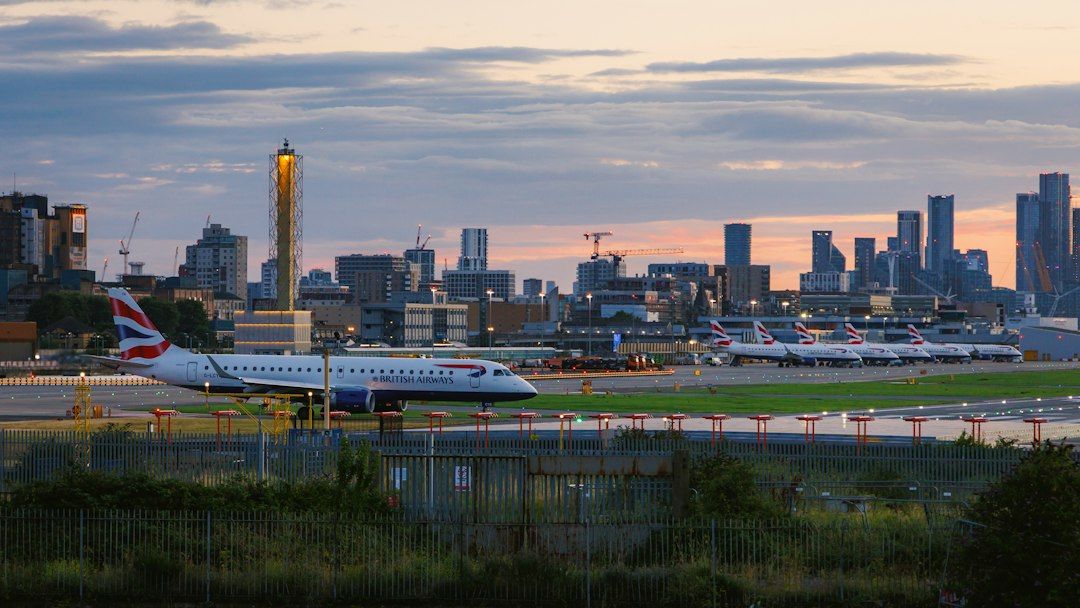
International travellers using a major UK airport face disruption after air traffic control workers were reported on 2026-10-05 to be preparing a two-day strike this month. Because air traffic controllers are essential to safe airport operations, the action could mean flights are grounded rather than simply pushed back by a short delay. Both departures and arrivals are at risk, including international services, connecting itineraries, and return flights into the UK. Passengers due to travel during the strike window should start checking their booking now and avoid relying on airport arrival boards alone.
What Has Changed
The key change is that strike action is expected to involve air traffic control workers, a group whose role is central to whether flights can safely take off, land, or move around the airfield. Unlike some airport disputes that mainly affect queues at check-in, baggage handling, or security, an air traffic control strike can directly reduce or stop aircraft movements. That means airlines may have to cancel flights in advance, delay services, or reposition aircraft and crews away from the affected airport. As of 2026-10-05, the most important step for travellers is to wait for airline-specific instructions while actively preparing alternatives.
Why Air Traffic Control Strikes Matter
Air traffic control is not an optional airport function; it is part of the safety system that coordinates aircraft in the air and on the ground. If staffing levels fall below what is needed for safe operations, airports and airlines cannot simply continue as normal. Even a two-day strike can create wider disruption because aircraft, pilots, cabin crew, and passengers may end up in the wrong place for later flights. For international travellers, this can be especially disruptive because missed long-haul departures, visa-sensitive trips, cruise embarkations, or connecting flights may be difficult to replace at short notice.
Who Is Most At Risk
The highest-risk travellers are those booked on flights to or from the affected airport during the strike period, especially if they have limited flexibility. International passengers with onward connections should be particularly cautious, because a delay at the UK end can cause a missed second flight abroad. Families, older travellers, passengers with reduced mobility, and visitors unfamiliar with UK transport may also face more difficulty rebooking quickly if disruption escalates. Business travellers and people travelling for fixed events should consider moving travel earlier or building in an overnight buffer if their airline allows changes without heavy fees.
Practical tips
- Tip 1: Check your airline booking directly, not just airport departure boards, because airlines will confirm whether your specific flight is cancelled, delayed, rerouted, or still scheduled.
- Tip 2: Avoid making non-refundable onward plans close to your scheduled arrival time, as air traffic control strikes can cause knock-on disruption even after the strike period ends.
- Tip 3: If your flight is cancelled, ask your airline for rerouting at the earliest opportunity, including via another UK airport if that gets you to your destination sooner.
- Tip 4: Keep receipts for meals, transport, and hotel costs if you are stranded, but spend reasonably because airlines usually only reimburse necessary expenses.
Mistakes to avoid
- ✕Mistake 1: Assuming your flight is safe because it is long-haul or international; air traffic control disruption can affect all aircraft movements at the airport.
- ✕Mistake 2: Cancelling your own ticket before the airline does, because this may reduce your refund or rebooking rights depending on your fare conditions.
- ✕Mistake 3: Travelling to the airport without checking live airline updates, which could leave you facing queues, extra transport costs, and limited rebooking options.
- ✕Mistake 4: Forgetting onward bookings such as hotels, trains, car hire, cruises, and tours, as these may need changing quickly if your flight is grounded.
Quick checklist
- Check your flight status on your airline’s website or app
- Confirm whether your travel insurance covers strike-related disruption
- Save your booking reference, passport details, and airline contact numbers
- Verify hotel, rail, car hire, and onward connection cancellation terms
- Have a backup route through another airport or an extra overnight stay ready


