Athens Faces High Wildfire Risk
Greece is on alert in August after deadly wildfires and a helicopter crash killed 2 people, with international travellers urged to monitor conditions.
What Changed
Who It Affects
Greece is facing renewed wildfire danger, with Athens at high risk and travellers urged to check alerts, routes and evacuation advice before moving around.
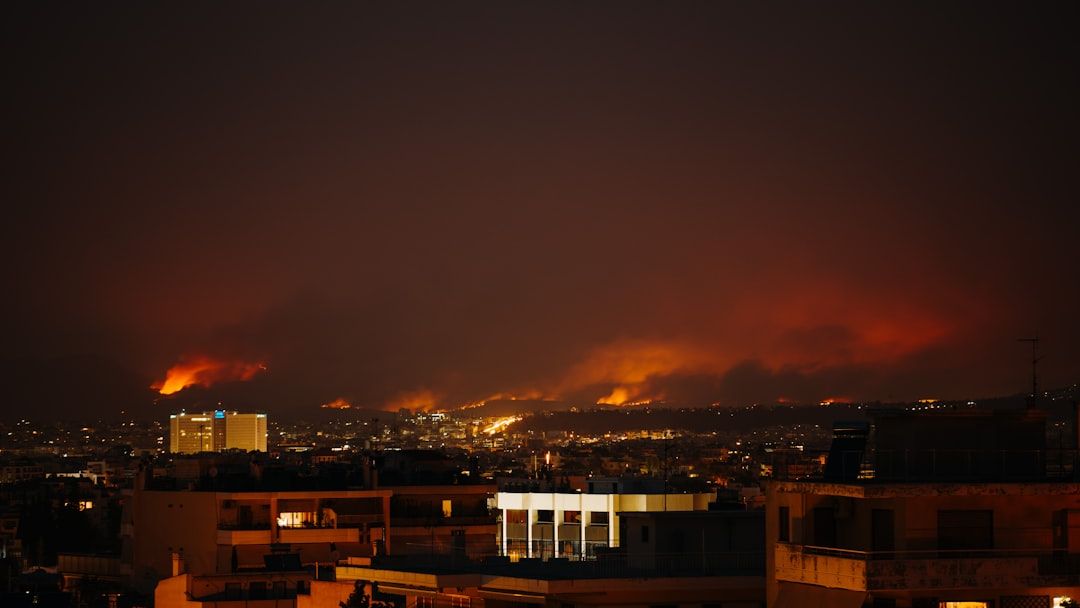
Greece is facing renewed wildfire concern on 2026-08-03, with Athens highlighted as a high-risk area during another dangerous summer fire period. The warning comes after reports that two people were killed in a firefighter helicopter crash over the weekend, a reminder of the extreme conditions facing emergency crews. For travellers, the immediate issue is not only whether a fire is close to a hotel, but whether smoke, road closures, evacuation orders or transport disruption could affect plans. International visitors should treat the situation as fast-moving and check official updates before every transfer, excursion or long journey.
What Has Changed in Greece
The latest situation centres on Greece’s continuing wildfire risk, with Athens among the places reported to be at high risk on 2026-08-03. Wildfires in Greece can spread rapidly in hot, dry and windy conditions, particularly around forested areas, rural roads, hillsides and the edges of urban zones. Even when airports and city centres remain open, smoke and emergency restrictions can affect day trips, private transfers, coach routes and access to beaches or archaeological sites. Travellers should not rely on a single source of information, because local conditions can differ significantly between neighbourhoods, islands and mainland regions.
How This Could Affect Athens Trips
Athens is a major gateway for international visitors, so a high-risk wildfire rating matters even for travellers who are only passing through. Flights may continue as scheduled, but getting between the airport, city hotels, Piraeus port and outer suburbs can become more complicated if roads are restricted or smoke affects visibility. Visitors planning outdoor sightseeing should be particularly careful, as heat, smoke and emergency access restrictions can make long walks or exposed archaeological sites harder to manage. If you are staying outside the city centre, ask your accommodation provider whether your area has specific local advice and whether any nearby roads are being monitored or closed.
Advice for Island and Mainland Travellers
Travellers heading beyond Athens should pay close attention to ferry schedules, port transfers, domestic flights and road routes. Greek islands and mainland resorts can be affected in different ways: one area may be operating normally while another nearby area is dealing with smoke, fire service activity or evacuation alerts. If you are renting a car, do not assume that navigation apps will show emergency closures quickly enough, especially on rural roads. Speak to local staff before leaving, keep fuel topped up, and avoid travelling through forested or hillside areas during the hottest and windiest parts of the day if officials are warning of elevated risk.
Practical tips
- Tip 1: Check official fire alerts every morning and again before moving location, especially if you are travelling between Athens, coastal resorts, islands or rural accommodation where road closures can happen quickly.
- Tip 2: Ask your hotel, villa host or tour operator for the nearest evacuation route, assembly point and local emergency number as soon as you arrive, rather than waiting until smoke or flames are visible.
- Tip 3: Keep passports, medication, chargers, bottled water and essential documents in one small grab bag, because wildfire evacuations can be ordered at short notice and may not allow time to pack properly.
- Tip 4: If smoke is affecting your area, reduce outdoor activity, keep windows closed, use air conditioning on recirculation where available, and consider moving vulnerable travellers such as children, older adults or people with asthma to a safer area.
Mistakes to avoid
- ✕Mistake 1: Assuming Athens or a resort is safe because there is no fire visible from your hotel; wind can shift smoke and fire direction quickly, and official evacuation zones may change during the day.
- ✕Mistake 2: Driving towards smoke, closed roads or hillsides to take photos; this can block emergency vehicles and put you in the path of fast-moving flames.
- ✕Mistake 3: Waiting for your airline to contact you before checking conditions; flights may operate even when local transfers are difficult, so you need to monitor airport, road and accommodation updates yourself.
- ✕Mistake 4: Travelling without insurance documents or emergency contacts saved offline; mobile networks, power supply or roaming access can be unreliable during major incidents.
Quick checklist
- Check Greek emergency and fire-risk alerts before leaving your accommodation
- Confirm your hotel, villa or tour operator has your current mobile number
- Pack passports, medication, water, charger and insurance details in a grab bag
- Verify airport, ferry, road transfer and local taxi status before travelling
- Have a backup route, backup accommodation and offline maps ready

