Boeing Seat Fault Hits MAX Fleet
FAA warning covers 400+ U.S. Boeing 737 MAX jets after improperly installed seats were found to risk loosening during emergencies.
What Changed
Who It Affects
More than 400 Boeing 737 MAX aircraft in the U.S. are affected by an FAA seat safety warning, with international travellers urged to monitor flights.
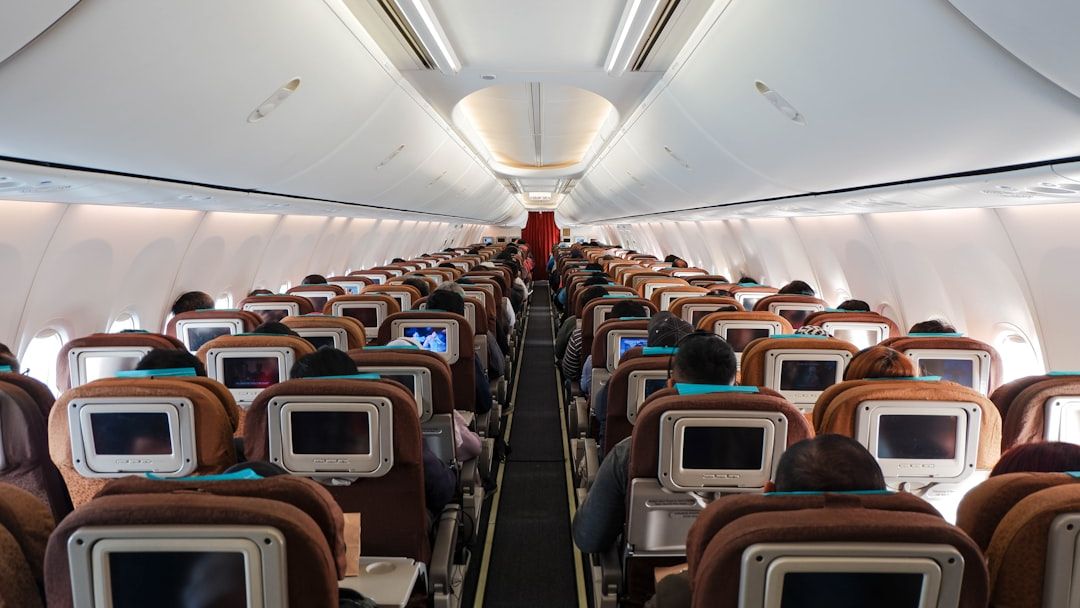
Travellers booked on Boeing 737 MAX flights are being urged to check their airline updates after the FAA warned on 28 July 2026 that more than 400 aircraft in the U.S. may have seats that were improperly installed. The safety concern is not about normal comfort or legroom, but whether seats could come loose in emergency situations when passengers need secure restraint and clear evacuation routes. The warning applies to affected Boeing 737 MAX aircraft in the U.S. fleet, which can be used on both domestic services and international connections. For passengers, the immediate practical issue is whether inspections, repairs, or aircraft swaps could affect flight timings.
What the FAA Warning Means
The FAA’s concern centres on seat installation aboard Boeing 737 MAX aircraft, with more than 400 planes identified as potentially affected in the U.S. The problem described is that seats may have been installed incorrectly, creating a risk that they could move or loosen during an emergency. That matters because aircraft seats are part of the safety system: they must remain secure during hard braking, rejected take-offs, turbulence events, and emergency evacuations. The warning does not mean every Boeing 737 MAX flight is cancelled, but it does mean airlines may need to inspect aircraft, correct installations, or substitute planes.
Which Travellers Should Pay Attention
International travellers are most likely to notice disruption if their journey includes a U.S. domestic leg on a Boeing 737 MAX before connecting to a long-haul flight. The aircraft is commonly used on short- and medium-haul routes, including services that feed major hubs used for transatlantic and international travel. Passengers flying to or through the U.S. should check not only their long-haul flight, but also any connecting sector that may be operated by a MAX aircraft. This is especially important for travellers with tight connections, cruise departures, prepaid tours, or onward rail and hotel arrangements.
How to Check Your Flight
Start with your airline’s website or app and look for the aircraft type listed under flight details, equipment, or trip information. If your booking shows Boeing 737 MAX, keep checking because aircraft assignments can change several times before departure. Third-party tracking websites can be useful, but the airline’s own operational updates should be treated as the primary source. If you booked through an online travel agent, still register directly with the airline using your booking reference so you receive schedule alerts.
Practical tips
- Tip 1: Check your aircraft type in your airline app or booking page, but treat it as provisional because airlines can swap aircraft right up to departure.
- Tip 2: If your flight shows a Boeing 737 MAX, monitor the airline’s travel alerts, flight status page, and email notifications closely for inspection-related delays or aircraft changes.
- Tip 3: Build extra connection time into U.S. itineraries, particularly if you are connecting from a domestic MAX flight onto a long-haul international service.
- Tip 4: If you have mobility needs, are travelling with infants, or require specific seating, contact the airline before departure to confirm assistance and seating arrangements remain intact after any aircraft swap.
Mistakes to avoid
- ✕Mistake 1: Assuming every Boeing 737 MAX flight is unsafe or cancelled; the warning concerns improperly installed seats on affected aircraft, not a blanket ban on all MAX services.
- ✕Mistake 2: Cancelling a non-refundable ticket before the airline changes your flight, because you may lose refund or rebooking rights if you act too early.
- ✕Mistake 3: Ignoring aircraft swaps after check-in; the plane shown at booking can change, so check again the day before travel and at the airport.
- ✕Mistake 4: Relying only on third-party booking apps for updates, as airline apps and official flight status pages usually show operational changes first.
Quick checklist
- Check whether your flight is scheduled on a Boeing 737 MAX
- Review airline alerts before leaving for the airport
- Save your booking reference and airline app login
- Verify connection times if travelling through a U.S. hub
- Have an alternative routing or later connection in mind


