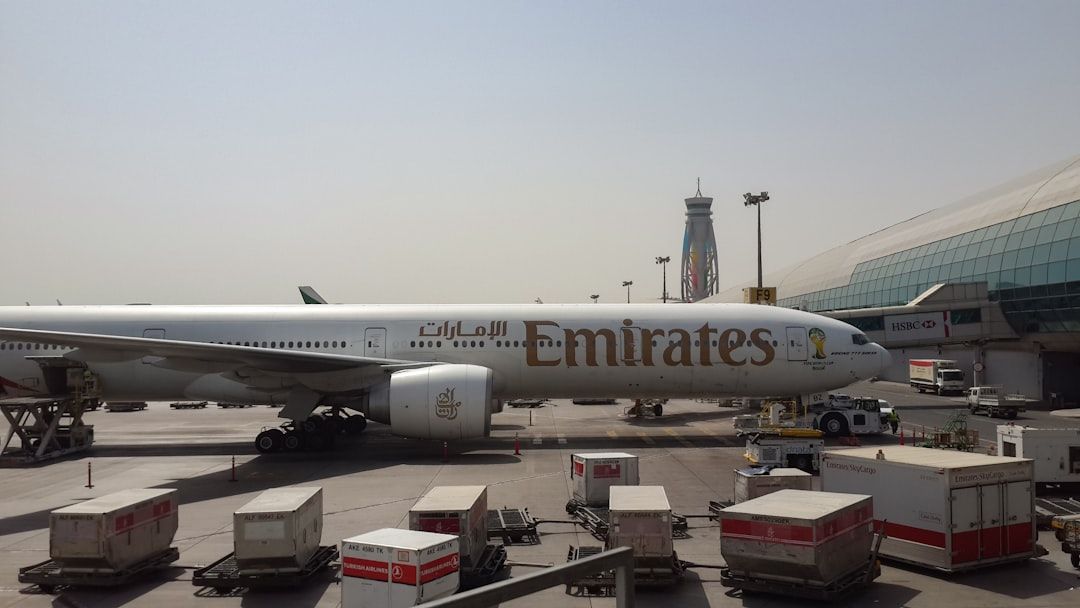
August disruption report links weaker Dubai traffic to UAE and Gulf airspace closures affecting US-Dubai and international routes.
26 August 2026Source: The Independent TravelOriginally: "Dubai airport reports sharp decline in traffic due to Iran war’s effects"
What Changed
On 2026-08-26, Dubai airport reported a sharp decline in traffic linked to the effects of the Iran conflict and related regional aviation disruption. Flight operations across the United Arab Emirates and the wider Gulf have faced closures and restrictions after attacks on Iran by the US and Israel, according to the report. The impact is most relevant for international travellers using Dubai as a hub, including passengers flying between the US, the UAE, Asia, Europe, Africa, and the Middle East. Exact cancellation totals and route-by-route disruption figures were not provided in the source summary, so travellers should treat schedules as fluid and verify their own flight status directly with airlines and airport channels.
Who It Affects
International travellers flying to, from, or through Dubai, especially passengers on US-Dubai itineraries, Gulf connections, long-haul transit routes via the UAE, business travellers with fixed arrival deadlines, families with multi-leg tickets, and anyone relying on tight onward connections through Dubai or other Gulf airports.
Dubai airport traffic has fallen sharply as Gulf airspace closures and restrictions disrupt international flights, including US-Dubai journeys.
Dubai airport reported a sharp decline in traffic on 2026-08-26 as regional aviation disruption linked to the Iran conflict continued to affect travel across the Gulf. The report said flight operations across the United Arab Emirates and the wider Gulf faced closures and restrictions after attacks on Iran by the US and Israel. For travellers, the practical concern is not only whether a flight is cancelled, but whether routes are delayed, rerouted, rescheduled, or forced to operate with longer flight times. Anyone flying to, from, or through Dubai should treat their itinerary as potentially changeable until their airline confirms final departure details.
What Changed at Dubai Airport
The core change is a drop in passenger traffic at Dubai airport tied to regional instability and airspace restrictions in the Gulf. Dubai is one of the world’s most important connecting hubs, so even disruption that begins as an airspace issue can spread quickly across long-haul schedules. Flights between the US and Dubai are particularly exposed because they rely on long-range routing, crew planning, aircraft positioning, and onward connections. The source summary did not provide a precise cancellation count or a full route list, which means passengers should avoid relying on general news updates alone and instead check their exact flight number.
Why Gulf Airspace Restrictions Matter
Airspace closures and restrictions can affect airlines in several ways, even when the departure and arrival airports remain open. Aircraft may need to avoid certain corridors, take longer routes, carry different fuel loads, or wait for revised clearance from aviation authorities. These changes can reduce airport capacity because aircraft and crews may arrive late for their next scheduled service. At a hub such as Dubai, where many passengers connect between continents, a delay on one inbound flight can affect dozens of onward journeys.
Who Should Be Most Alert
Travellers with US-Dubai itineraries should be especially careful because long-haul flights are harder to recover when aircraft are out of position or forced onto longer routings. Passengers connecting through Dubai to Asia, Africa, Europe, or the wider Middle East should also check whether their entire journey remains protected under one booking. Families, cruise passengers, students, and business travellers with fixed arrival deadlines should consider arriving a day earlier if the trip is essential. Anyone travelling on separate tickets should be aware that a delay on the first sector may not oblige the second airline to rebook them for free.
Practical tips
Tip 1: Check your flight directly with your airline before leaving for the airport, then check again a few hours later because airspace restrictions can trigger late rerouting, delays, or cancellations.
Tip 2: If you are connecting through Dubai, build in extra time and avoid tight layovers; a delay on one Gulf sector can quickly cause missed onward flights, especially on separate tickets.
Tip 3: Save airline app notifications, booking references, and screenshots of delay or cancellation notices because they can help with rebooking, insurance claims, or complaints later.
Tip 4: Review your travel insurance wording for conflict, airspace closure, missed connection, and airline failure clauses, as war-related disruption may be treated differently from ordinary operational delays.
Mistakes to avoid
✕Mistake 1: Assuming a flight is operating just because it has not been formally cancelled; restricted airspace can cause delays, diversions, and schedule changes close to departure.
✕Mistake 2: Booking a replacement flight before your original airline confirms your options, because doing so may weaken your refund position or leave you paying twice.
✕Mistake 3: Ignoring connection risk on separate tickets; if your first flight is delayed, the second airline may not be responsible for rebooking you.
✕Mistake 4: Travelling without checking entry or transit rules for alternative hubs, as sudden rerouting can create visa, baggage, or overnight-stay complications.
Quick checklist
Check airline flight status and Dubai airport updates before travelling
Confirm whether your itinerary is on one ticket or separate bookings
Save delay, cancellation, and rerouting notifications
Verify travel insurance cover for conflict-related disruption
Have a backup route, hotel plan, and emergency funds ready
Start by checking your airline’s website or app using your booking reference and flight number, not just the airport departure board. If your flight is operating, look for changes to departure time, arrival time, terminal, aircraft, baggage allowance, and connection information. Enable app alerts, SMS updates, and email notifications so you receive schedule changes quickly. If you are already near the airport, still wait for airline confirmation before joining long queues, because staff may not be able to rebook passengers until a formal disruption notice is issued.
Rebooking and Refund Options
If your flight is cancelled, your first step should usually be to contact the operating airline or the travel agent that issued your ticket. Ask whether you are entitled to rerouting, a later flight, a refund, hotel accommodation, meals, or transport between the airport and accommodation. Rights vary depending on the airline, departure point, destination, and legal framework that applies to your ticket. War-related disruption and airspace closures are often treated as extraordinary circumstances, so cash compensation may be limited, but airlines may still have duties to assist passengers with rerouting or care.
Connections Through Dubai
Dubai’s role as a hub means many affected passengers may not be starting or ending their trip in the UAE. If your journey is on a single ticket, the airline normally has more responsibility to help if a delay causes you to miss a connection. If your journey is split across separate bookings, you carry more risk because the second airline may treat you as a no-show. Travellers with separate tickets should consider changing to a longer connection, adding an overnight buffer, or buying a flexible fare if the trip cannot be postponed.
Insurance, Documents, and Evidence
Keep evidence of every disruption, including screenshots of airline status pages, cancellation emails, boarding passes, receipts, and chat transcripts with customer service. Travel insurers may ask for written confirmation from the airline explaining the reason for the delay or cancellation. Check whether your policy covers missed departures, missed connections, abandonment, curtailment, conflict-related disruption, and additional accommodation costs. If you paid by card and booked a package holiday, you may also have separate protections, but these depend on where you bought the trip and the terms of the booking.
Best Backup Plans
If you must travel urgently, compare alternative routings through hubs that are less exposed to the affected Gulf airspace, but do not assume a new route is automatically safer or faster. Check whether the replacement itinerary requires a transit visa, overnight stay, airport change, or baggage recheck. Avoid buying a non-refundable replacement flight until you know whether your original airline will reroute you at no extra cost. If you are travelling for a time-sensitive event, speak to your airline early and ask whether flexible rebooking is available due to the disruption.
Outlook for Travellers
The situation remains operationally sensitive because airspace restrictions can change faster than published airline schedules. Even if your flight appears normal today, a late change in routing or regional clearance can still affect departure times and aircraft availability. Dubai airport’s reported traffic decline shows that the disruption is significant enough to influence passenger flows, not just isolated individual flights. The safest approach is to monitor official sources, keep plans flexible, and avoid tight onward commitments until airlines confirm stable operations.
Tip 5: Prepare a backup routing through alternative hubs outside the most affected Gulf corridors if you have urgent travel, but compare total cost, visa requirements, baggage rules, and refund conditions before switching.