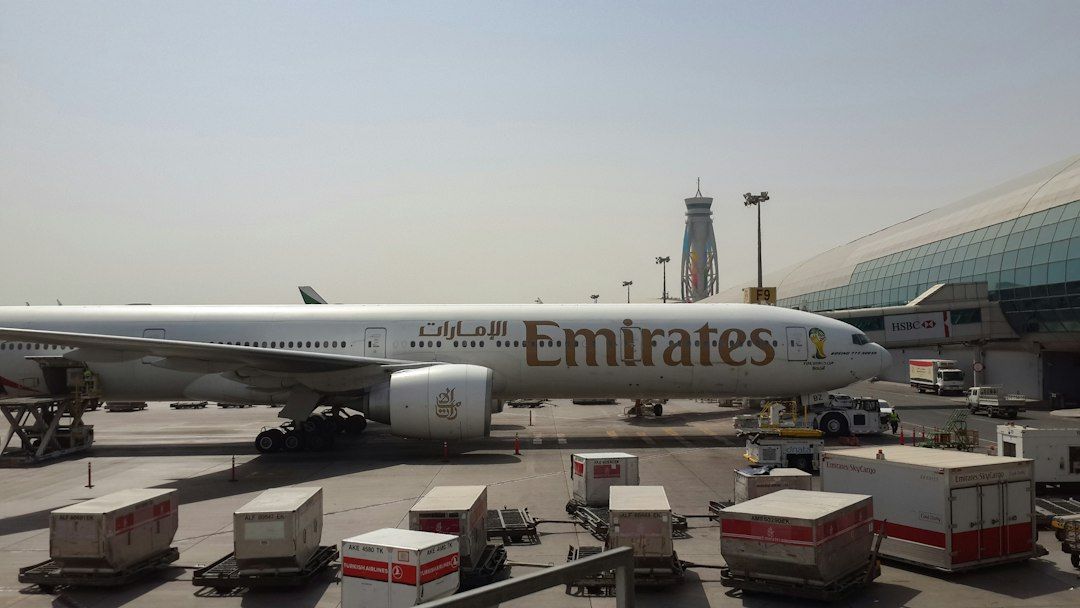
September cockpit altercation triggered a diversion and initial hijacking fears on a Dubai-to-Israel service.
30 September 2026Source: The Independent TravelOriginally: "Dubai Israel-bound flight forced to divert after fight between pilots"
What Changed
On 2026-09-30, a Dubai-to-Israel-bound flight was forced to divert after an altercation reportedly broke out between pilots in the cockpit. Early reports raised fears that the incident may have involved a hijacking, but the disruption was later linked to a dispute between crew members rather than a confirmed security takeover. The affected service was connected to Dubai and was travelling toward Israel, meaning passengers faced an unscheduled landing, possible delays, and onward travel uncertainty. No wider cancellation programme has been confirmed from the available report, but travellers on Dubai-Israel routes should closely monitor flight status updates and security-related notices.
Who It Affects
Passengers booked on the diverted Dubai-to-Israel flight, international travellers using Dubai as a departure or connection point, people flying between the UAE and Israel, and anyone with tight onward connections, hotel check-ins, tours, cruises, or business meetings linked to the disrupted service.
A Dubai-to-Israel flight was forced to divert after a reported fight between pilots, prompting early hijacking fears and travel disruption.
A Dubai-to-Israel-bound flight was forced to divert on 2026-09-30 after a reported fight between pilots, creating alarm among passengers and prompting early fears that the aircraft may have been involved in a hijacking. The incident affected an international service linked to Dubai and travelling toward Israel, with passengers facing an unscheduled change to their journey. While the first concern around any cockpit disturbance is security, available reporting indicates the disruption was connected to an altercation between crew members rather than a confirmed hijacking. Travellers on the route should treat the event as a serious operational disruption and check official updates before heading to the airport.
What Happened On The Flight
The flight was reportedly forced to divert after a confrontation involving the pilots, which is an exceptionally serious situation because cockpit crew are responsible for maintaining aircraft safety, communication, and command discipline. Initial fears focused on the possibility of a hijacking, a common concern when an aircraft suddenly changes course or lands unexpectedly. However, the information available on 2026-09-30 points to an internal cockpit dispute as the reason for the diversion. The exact operational consequences for passengers depend on where the aircraft landed, how long the aircraft remained on the ground, and whether the airline replaced crew before continuing the journey.
Why A Diversion Causes Wider Travel Problems
Even when only one flight is directly involved, a diversion can trigger knock-on disruption for travellers. Aircraft may need safety checks, crew may exceed permitted duty hours, and passengers may need to be re-screened, rebooked, or placed on another service. If checked baggage is offloaded at the diversion airport, travellers can face further delays while bags are reconciled and matched with passengers. For anyone with onward flights, hotel bookings, tours, cruises, or business commitments in Israel, the practical impact can be much larger than the diversion itself.
Who Should Check Their Booking Now
The most affected travellers are those who were on the diverted flight or were due to connect to another service after arrival in Israel. Passengers booked on later Dubai-Israel flights should also monitor updates, because aircraft and crew availability can be affected if the same plane was due to operate another sector. International travellers using Dubai as a hub should check whether their connection times remain realistic, especially if they booked separate tickets. Families, tour groups, and business travellers should contact accommodation providers and ground transport companies early to avoid no-show penalties.
Practical tips
Check your airline app and airport flight status before leaving for the airport, as diversions can create rolling delays even if later flights are not officially cancelled.
If you were on the affected flight, keep your boarding pass, booking reference, baggage tags, hotel receipts, meal receipts, and screenshots of delay notifications in case you need to claim expenses or insurance reimbursement.
Do not rely on social media rumours about hijacking or airport closures; use official airline, airport, and government travel advice channels before changing your plans.
If you have a same-day connection, contact the operating airline immediately and ask to be rebooked under disruption procedures rather than buying a new ticket without confirmation.
Mistakes to avoid
✕Assuming every Dubai-Israel flight is cancelled; the reported incident concerns a specific diverted service, and wider disruption must be verified through official flight status tools.
✕Leaving the airport without written confirmation from the airline; doing so can make it harder to prove delay length, rebooking eligibility, or expense entitlement.
✕Posting or sharing unverified hijacking claims online; inaccurate security rumours can cause unnecessary panic and may complicate official communications during an active incident.
✕Booking replacement flights too quickly without checking whether your original airline must reroute you, as this may reduce your chance of recovering costs.
Quick checklist
Check your flight status with the airline and Dubai Airports before travelling
Save all receipts, boarding passes, baggage tags, and delay messages
Confirm whether your onward connection, hotel, or tour booking can be amended
Verify official security and travel advice rather than relying on rumours
Have a backup routing and overnight plan ready if delays continue
If you were on the affected aircraft, your first step is to obtain clear written information from the airline about the cause of the delay, the length of the disruption, and the planned onward routing. Keep your boarding pass, booking reference, luggage tags, and any messages from the airline, because these documents may be needed for insurance claims or expense reimbursement. If the airline provides meal vouchers, hotel accommodation, or ground transport, take photos of the vouchers and keep receipts for any extra spending not covered. If you need urgent onward travel, ask airline staff to confirm in writing whether you are being rebooked or whether you are expected to make your own arrangements.
Be Careful With Hijacking Rumours
The early mention of hijacking fears makes this incident especially sensitive, but travellers should avoid acting on unverified social media claims. Security incidents can develop quickly, and inaccurate information may spread faster than official updates from airports, airlines, or authorities. Before cancelling a trip, booking an expensive replacement ticket, or leaving the airport, check your airline’s official channels and the airport’s flight status page. If you are concerned about regional safety, consult government travel advice and follow instructions from airport security and airline staff.
Your Rights After A Diversion
Passenger rights after a diversion depend on the operating airline, the route, the ticket conditions, and the legal framework that applies to the journey. In many cases, airlines must provide care during long delays, which can include meals, communication, accommodation, and transport between the airport and hotel when an overnight stay becomes necessary. Compensation is more complicated, because airlines may argue that safety or security-related diversions fall outside standard compensation rules. That is why it is important to ask the airline for the official reason for the diversion and to keep evidence of the delay and all reasonable expenses.
How To Protect Connections And Bookings
Travellers with a connecting flight should immediately check whether both flights are on the same ticket. If they are, the airline or booking carrier is usually responsible for getting you to your final destination, subject to the applicable conditions. If you booked separate tickets, you may have less protection and should contact the second airline as soon as possible to discuss rebooking options. For hotels, tours, and transfers, send a short written message explaining that your flight has been diverted and ask for flexibility before the no-show deadline passes.
Best Backup Options For Dubai-Israel Travellers
If you are due to travel on the Dubai-Israel corridor shortly after this incident, start by checking whether your original flight is still operating before looking for alternatives. If disruption appears likely, search for later direct services first, as these are usually simpler than multi-stop itineraries during an active travel problem. If direct availability is limited, consider alternative routings through major international hubs, but compare total journey time, baggage rules, visa requirements, and connection risk before booking. Travellers with essential appointments should also consider arriving a day earlier where possible or switching to flexible fares until the situation is clearer.
The Bottom Line For Travellers
The key message is to stay calm, verify information, and preserve your paper trail. The reported diversion on 2026-09-30 appears to have stemmed from a cockpit altercation, with initial hijacking fears later giving way to a more operational explanation. That still makes it a significant disruption for passengers, especially those with onward plans tied to a precise arrival time. Check official flight status tools, speak to your airline before making major changes, and keep receipts in case you need to claim costs later.
Build a backup plan if travelling between Dubai and Israel this week: identify later flights, flexible hotel options, and alternative routing through major hubs in the region or Europe.