EES Suspension Ban Hits Borders
September change means countries cannot switch off EES during peak travel periods, raising queue risks at busy Schengen borders.
What Changed
Who It Affects
Schengen countries can no longer suspend EES during busy travel peaks, meaning travellers should prepare for biometric checks and longer queues.
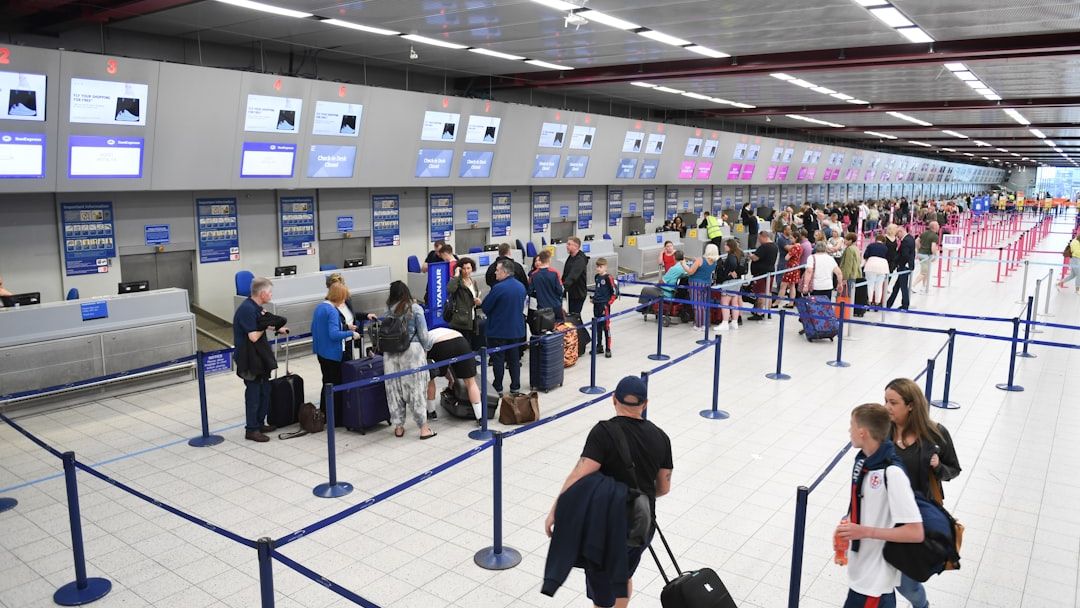
Travellers heading into the Schengen Area should prepare for a firmer digital border process after confirmation on 2026-09-07 that countries will no longer be able to suspend the Entry/Exit System during peak travel periods. The change means EES checks are expected to continue even when airports, ferry ports, rail terminals and road crossings are under pressure. For passengers, the practical impact is simple: queues could be longer, especially where large numbers of non-EU travellers need first-time biometric registration.
What Has Changed At The Border
The EU Entry/Exit System, known as EES, is intended to replace passport stamping for eligible non-EU travellers entering and leaving the Schengen Area. Instead of relying on ink stamps, the system records passport details, entry and exit dates, and biometric information such as a facial image and fingerprints where required. The latest change removes the ability for countries to pause the system simply because they are dealing with peak-time pressure, meaning border authorities must plan around EES rather than stepping away from it during busy travel waves.
Why Peak Travel Periods Matter
Peak periods are exactly when travellers are most likely to feel the effects of a stricter digital border process. School holidays, Friday evening departures, Sunday returns, cruise turnarounds, major sporting events and bank holiday weekends can already stretch border staffing and terminal capacity. If EES remains active throughout these surges, passengers who need biometric registration may spend longer at kiosks, booths or staffed desks before being cleared to enter or leave.
Who Is Most Likely To Be Affected
The main group affected is international short-stay visitors who are not EU or Schengen citizens, including UK passport holders travelling for holidays, family visits, business trips or short breaks. Families may notice the process more than solo travellers because every eligible person, including children, may need to be processed individually. Motorists using ferry and tunnel routes, coach passengers, cruise guests and travellers arriving at compact regional airports may also be vulnerable to slower movement if infrastructure is limited.
What To Expect During EES Checks
Practical tips
- Allow extra border time: build in at least 2-3 additional hours at major airports, ferry ports and international rail terminals during school holidays, weekends and morning departure banks.
- Check whether you need EES processing: most non-EU short-stay visitors to the Schengen Area should expect digital entry and exit registration, while EU citizens, residents with valid permits and some long-stay visa holders may use different lanes.
- Prepare children and group travellers: each eligible traveller may need an individual passport check and biometric capture, so keep families together, remove hats or sunglasses when asked, and have every passport ready before reaching the desk or kiosk.
- Avoid tight connections: if your journey involves a Schengen border check before a connecting train, cruise departure, tour pickup or domestic flight, book a wider buffer or an overnight stop where possible.
Mistakes to avoid
- ✕Assuming EES will be switched off when queues build: the key change is that countries cannot suspend the system just because peak-time congestion is inconvenient.
- ✕Arriving at the same time you used to before digital checks: first-time biometric registration can add time, and delays may be worst at ports and terminals with mixed car, coach and foot-passenger flows.
- ✕Relying on a passport stamp as your only record: EES is designed to record entries and exits digitally, so travellers should keep their own itinerary records and boarding passes in case they need to resolve a stay-length query.
- ✕Ignoring the 90-day Schengen limit: EES may make overstays easier to identify, so frequent visitors should count days carefully across all Schengen countries.
Quick checklist
- Check the latest border and entry advice for your destination before leaving
- Add extra time for EES processing at airports, ports, rail terminals and land borders
- Make sure every traveller’s passport is valid and easy to access
- Verify your Schengen 90-day allowance if you travel frequently
- Have return tickets, accommodation details and a backup connection plan ready


