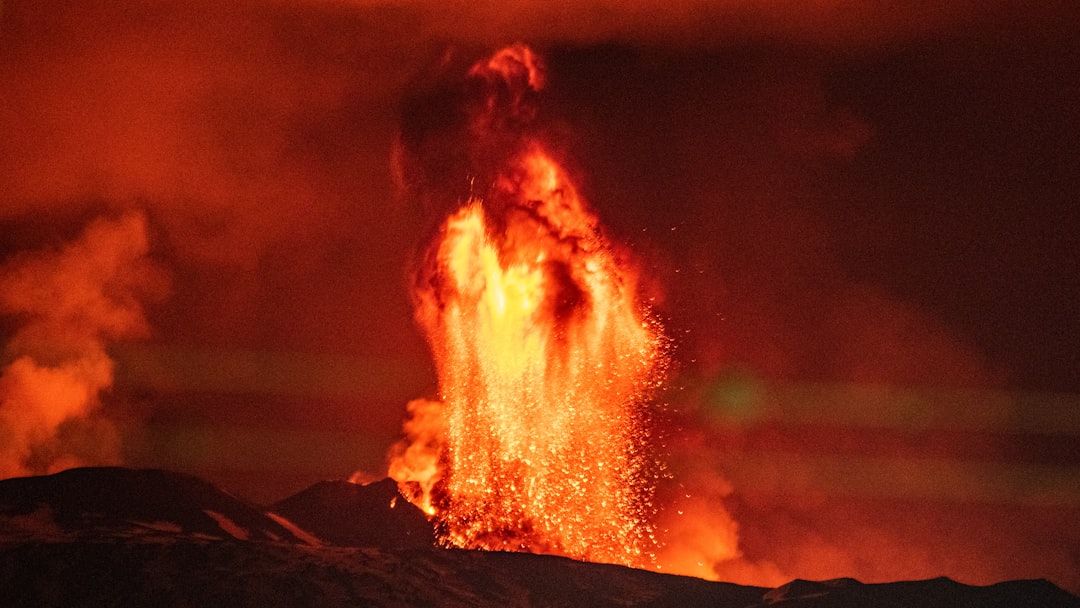
August eruption draws lava-watchers while ash cancellations strand thousands and disrupt peak-season Sicily and Mediterranean flights.
13 August 2026Source: eTurboNewsOriginally: "Mount Etna Eruption Creates a Tourism Boom and Travel Nightmare in Sicily"
What Changed
Mount Etna’s eruption created a sharp travel split in Sicily on 2026-08-13: visitors rushed to view dramatic lava activity while volcanic ash disrupted aviation across the region. Flight cancellations affected Mediterranean travel, with thousands of passengers reportedly stranded or delayed during the peak summer season. The main issue for travellers is not a mass evacuation, but the operational risk volcanic ash poses to aircraft engines, airport runways, and airspace management. Sicily-bound passengers, especially those using eastern Sicily gateways such as Catania and connecting routes across Italy and the wider Mediterranean, should expect short-notice changes until ash conditions stabilise.
Who It Affects
International travellers flying to or from Sicily, especially holidaymakers using Catania as a gateway to Mount Etna, Taormina, Syracuse, and eastern Sicily; cruise passengers with onward flights; families travelling during the August peak season; travellers connecting through Italian or Mediterranean airports; and visitors planning volcano tours, hiking excursions, or self-drive itineraries near Etna.
Mount Etna’s eruption is boosting volcano tourism in Sicily, but ash-related flight cancellations are stranding thousands during peak travel season.
Mount Etna’s latest eruption turned Sicily into both a bucket-list spectacle and a peak-season travel headache on 2026-08-13. Lava activity drew visitors eager to witness one of Europe’s most famous volcanoes in action, but volcanic ash also forced flight cancellations and left thousands of passengers facing delays or disrupted journeys. The situation is especially challenging because Sicily is in its busiest summer travel period, when hotels, rental cars, ferries, and alternative flights are already under pressure.
What Happened in Sicily
The eruption created a tourism paradox: the same volcanic activity attracting travellers is also interfering with the transport system that brings many of them to the island. Ash clouds can reduce visibility, contaminate runways, and pose a serious hazard to aircraft engines, which is why airlines and airport authorities may cancel or delay flights even when towns and resorts remain open. According to the report published on 2026-08-13, no mass evacuation was underway, but aviation disruption spread across Mediterranean routes and stranded large numbers of passengers.
Why Volcanic Ash Causes Flight Cancellations
Volcanic ash is not the same as ordinary smoke or dust; it contains fine abrasive particles that can damage aircraft systems and reduce engine performance. Even when the eruption itself is far from an airport, wind direction can move ash into flight paths or over runways. This is why flight disruption can be sudden, localised, and difficult to predict, with one airport operating while another nearby gateway faces restrictions. Travellers should treat published schedules as provisional until their airline confirms the flight is operating.
Who Should Be Most Alert
The most exposed travellers are those flying into or out of eastern Sicily, particularly visitors using Catania as a gateway for Mount Etna, Taormina, Syracuse, the Ionian coast, and surrounding resorts. Families on fixed school-holiday itineraries, cruise passengers with tight onward flights, and travellers with non-refundable accommodation are especially vulnerable to knock-on costs. Anyone connecting through Italian or Mediterranean airports should also monitor their itinerary, because aircraft and crew disruption can ripple beyond Sicily. If your trip includes a volcano tour, you should check both transport conditions and local safety instructions before travelling toward Etna.
Practical tips
Tip 1: Check your airline app and departure airport before leaving for the terminal, because volcanic ash disruption can trigger same-day cancellations, delayed boarding, aircraft repositioning, or sudden airport restrictions.
Tip 2: If your flight to Catania is cancelled, ask the airline about rebooking via Palermo, Comiso, Naples, Rome, or another reachable Italian airport, then compare onward train, coach, ferry, or hire-car options before accepting a route.
Tip 3: Keep hotel, car hire, ferry, tour, and airport transfer bookings flexible where possible, as Etna-related disruption may not qualify for standard refunds unless your booking terms or travel insurance cover it.
Tip 4: Do not travel close to active lava zones without an authorised local guide and current safety clearance, because ash fall, road closures, visibility drops, and changing volcanic conditions can make sightseeing plans unsafe.
Mistakes to avoid
✕Mistake 1: Assuming a cancelled flight means Sicily is being evacuated; the reported disruption is mainly aviation-related, while tourism and local access may vary by area.
✕Mistake 2: Waiting at the airport without checking airline instructions, because ash-related cancellations can leave passengers competing for limited rebooking seats and hotel rooms.
✕Mistake 3: Booking a volcano viewing trip through an unverified operator, which can expose travellers to unsafe routes, poor visibility, restricted areas, or lack of emergency support.
✕Mistake 4: Ignoring insurance exclusions for volcanic ash and natural events, as some policies require disruption cover, evidence of cancellation, or proof that the airline could not reroute you.
Quick checklist
Check your flight status with the airline and airport before travelling
Review alternative airports in Sicily and mainland Italy
Save airline, hotel, insurer, and tour operator contact details offline
Verify whether your travel insurance covers volcanic ash disruption
Keep medication, chargers, documents, and one change of clothes in hand luggage
Start with your airline, not a third-party booking site, because the operating carrier controls rebooking, rerouting, and assistance at the airport. Ask specifically whether you can be moved to another Sicilian airport, a mainland Italian airport, or a later service once ash conditions improve. If you accept an alternative arrival point, calculate the full onward journey before confirming, including train availability, ferry schedules, car hire collection times, and late-night transport. Keep screenshots of cancellation notices, boarding passes, receipts, and messages because you may need them for expenses or insurance claims.
Your Passenger Rights and Expenses
Volcanic ash is usually treated as an extraordinary circumstance, which means compensation rules may differ from airline-controlled delays such as staffing or maintenance issues. However, passengers may still be entitled to care during long delays or cancellations, such as meals, communication, and accommodation where applicable, depending on the route, carrier, and jurisdiction. Do not assume the airline will automatically reimburse every cost, and avoid booking expensive replacement travel without checking your rights and insurer terms first. If you booked a package holiday, contact the organiser as well as the airline, because package providers may have additional obligations to assist.
Planning Around Etna Tourism
For many visitors, the eruption is part of Etna’s appeal, but safe viewing requires restraint and reliable local guidance. Conditions near an active volcano can change quickly, with ash fall, road restrictions, poor visibility, and emergency access concerns affecting tours and viewpoints. Choose licensed or well-reviewed operators, confirm the meeting point on the day, and avoid driving toward restricted areas just because other travellers are posting dramatic photos online. If you have asthma, heart conditions, mobility limitations, or young children in your group, consider lower-risk sightseeing alternatives until air quality and access conditions are clearer.
Alternative Routes and Backup Plans
If your Sicily flight becomes unreliable, look at the island as a network rather than a single airport destination. Palermo and Comiso may be useful alternatives depending on airline operations, while mainland options such as Rome, Naples, or southern Italian airports may allow onward travel by train, coach, ferry, or car. Availability can disappear quickly during August, so compare total journey time and overnight costs before committing. Travellers with early-morning departures should consider moving closer to the departure airport the night before, especially if roads, transfers, or ash clean-up could slow the journey.
How Long Disruption Could Last
There is no simple timetable for ash-related flight disruption because it depends on eruption intensity, wind direction, airport clean-up, aircraft positioning, and safety assessments. A route may reopen and then face further restrictions if ash returns to the airspace or runway environment. Travellers due to fly in the coming days should check updates repeatedly rather than relying on a single notification. The safest approach is to keep plans flexible, avoid tight same-day connections, and maintain enough budget or insurance coverage for an unexpected overnight delay.
Bottom Line for Travellers
Sicily remains a major summer destination, and the eruption has not been reported as a mass-evacuation event, but it has exposed how vulnerable island travel can be when volcanic ash affects aviation. The best response is practical rather than panicked: verify flights directly, keep documents and receipts, know your alternate airports, and be cautious with volcano sightseeing. If you are already in Sicily, protect your departure plan as carefully as your sightseeing schedule. If you are about to travel, build flexibility into every booking and assume that ash conditions can change at short notice.
Tip 5: Build a backup plan for your final 24-48 hours in Sicily by staying closer to your departure airport, keeping essentials in hand luggage, and allowing extra time if you need to switch airport or travel overland.