EU Border Checks Delayed In Nine Countries
In September, nine Schengen countries said they will not enforce new post-Brexit controls for UK travellers until border technology works reliably.
What Changed
Who It Affects
Nine European countries are delaying enforcement of new border checks, creating uneven rules for UK travellers entering the Schengen Area.
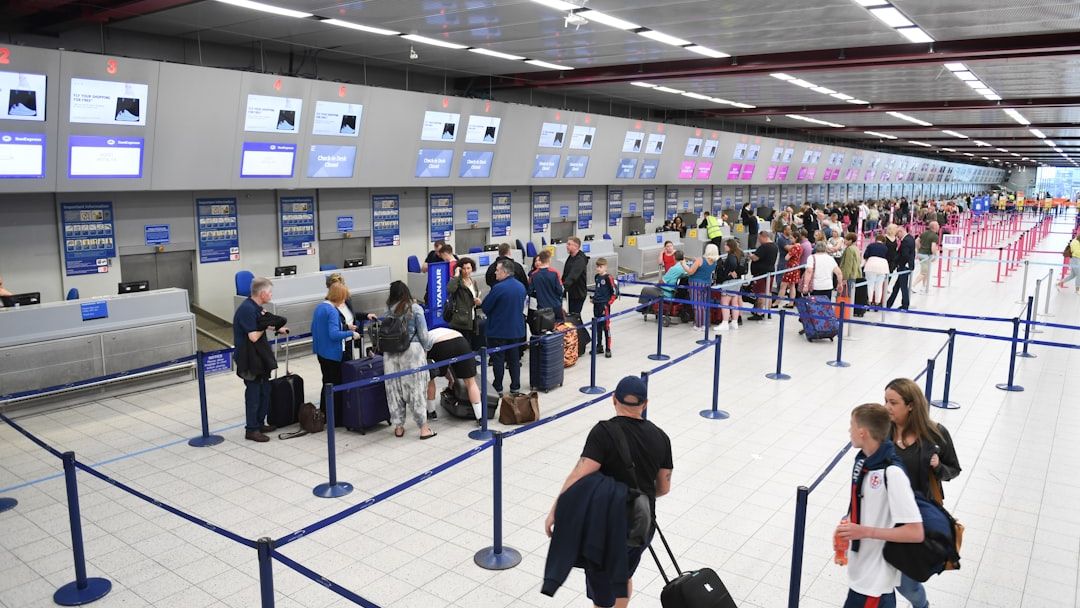
UK travellers heading to Europe face a more complicated border picture after nine countries said they would not enforce new post-Brexit checks until the technology is working properly. The development, reported on 2026-09-14, means the rollout of digital entry controls will be uneven rather than uniform across the Schengen Area. For passengers, the practical impact is uncertainty: one border may operate enhanced digital checks, while another may rely more heavily on existing manual processes. Anyone travelling by air, ferry, rail, cruise or land route should plan for longer queues and changing procedures.
What Has Changed
The checks are part of the EU Entry/Exit System, commonly known as EES, which is designed to record when non-EU travellers enter and leave the Schengen Area. British passport holders are included because UK nationals are now treated as third-country visitors for short stays in the zone. Instead of relying only on passport stamps, the system is intended to use digital records and biometric information such as facial images and fingerprints. The nine-country delay does not abolish the scheme; it means enforcement will wait in those places until the equipment, software and border processes are considered reliable.
Why UK Travellers Should Care
The biggest issue for travellers is inconsistency. A family flying from the UK to one European city may encounter standard passport checks, while another traveller entering through a different Schengen airport could face biometric registration and a longer interview-style process. The same applies to travellers using major transfer hubs, where the first Schengen airport is usually where immigration formalities happen. This matters because delays at that first border can affect onward flights, trains, cruises, car hire reservations and hotel check-in times.
Routes And Journeys Most Likely To Be Affected
The impact is not limited to direct flights from the UK to holiday destinations. Travellers connecting via European hubs, taking ferries to the continent, using cross-Channel rail services, joining cruises at Schengen ports or entering by road from a non-Schengen country may all be affected. The key point is the first external Schengen border you cross, not simply your final destination. If your trip includes a connection in Europe before continuing elsewhere in the Schengen Area, build in extra time at the hub airport rather than assuming the final airport will handle immigration.
Practical tips
- Tip 1: Check your arrival country’s official border or airport information before departure, because enforcement may vary between Schengen countries and even between different terminals or ports.
- Tip 2: Allow extra time at the first Schengen border you enter, especially if you are travelling on a UK passport and have not previously completed biometric registration under the new system.
- Tip 3: Avoid tight connections through European hubs where possible, as immigration queues at the first point of entry could be longer or less predictable during the phased rollout.
- Tip 4: Keep proof of accommodation, return or onward travel, travel insurance and sufficient funds accessible, as border officers can still ask standard Schengen entry questions even where new digital checks are delayed.
Mistakes to avoid
- ✕Mistake 1: Assuming the delay means no new checks anywhere in Europe; the rules may still apply at other Schengen borders and can change by crossing point.
- ✕Mistake 2: Booking minimum-connection flights through EU hubs; a delayed immigration process could make a legal connection unrealistic.
- ✕Mistake 3: Arriving at ferry, rail or airport terminals at the last possible moment; border technology testing and manual workarounds can create sudden queues.
- ✕Mistake 4: Forgetting Schengen stay limits still apply; delayed digital enforcement does not remove the 90-days-in-180-days restriction for most UK visitors.
Quick checklist
- Check the official EES and airport guidance for your destination
- Confirm whether your first stop is inside the Schengen Area
- Keep passport, return ticket, accommodation details and insurance handy
- Allow extra time for immigration at airports, ferry ports and rail terminals
- Have a backup plan for missed connections or delayed onward travel


