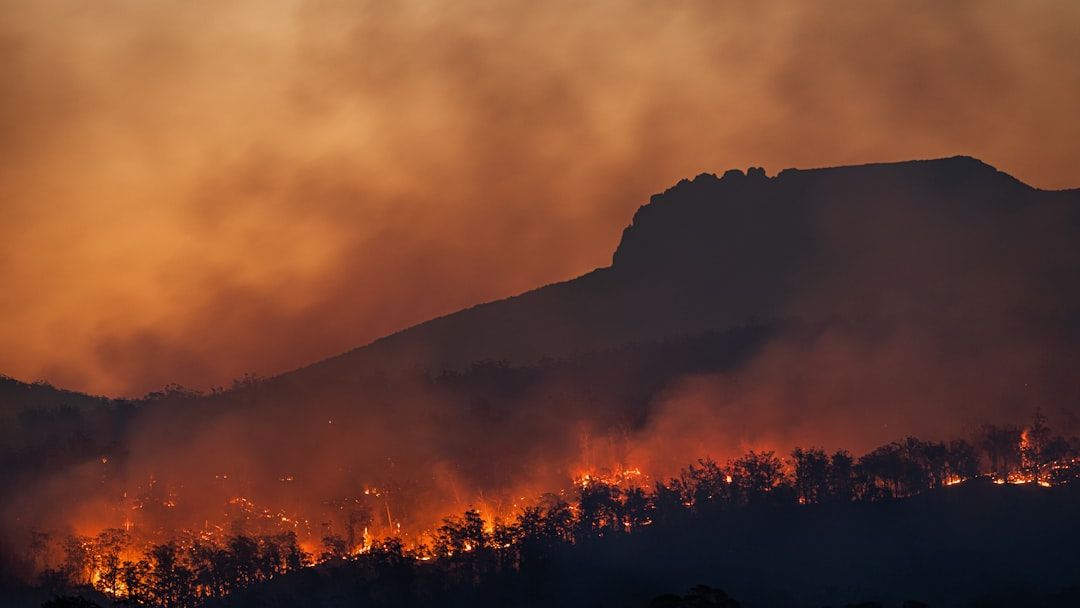
July evacuations near Bordeaux and Madrid put France and Spain travellers on alert as EU officials warn fire risk may spread.
29 July 2026Source: SkiftOriginally: "Europe’s Fires Haven’t Stopped Tourism Yet, But EU Officials Warn Risk Could Spread"
What Changed
On July 29, 2026, wildfires in France and Spain forced evacuations near popular tourist areas, including locations close to Bordeaux and Madrid. Tourism has not stopped across either country, but local disruption is now a real risk for travellers moving through affected regions. EU officials warned that wildfire risk could spread to other parts of Europe, meaning travellers should not treat this as a localised issue only affecting two destinations. No specific airline routes were named in the report, but road access, local transport, accommodation availability, excursions, and outdoor attractions may be affected where evacuation zones or safety restrictions are imposed.
Who It Affects
International travellers visiting France or Spain in late July and August, especially holidaymakers staying near Bordeaux, Madrid, rural wine regions, countryside villas, campsites, national parks, coastal areas reached by inland roads, and anyone planning multi-country road or rail trips through southern and western Europe.
Wildfires in France and Spain have forced evacuations near Bordeaux and Madrid, with EU officials warning that fire risk could spread across Europe.
Wildfires in France and Spain forced evacuations near popular tourist destinations including Bordeaux and Madrid on July 29, 2026, putting summer travellers on alert during one of Europe’s busiest holiday periods. The fires have not stopped tourism across either country, but they have created a fast-moving risk for visitors staying in rural areas, using regional roads, or planning outdoor activities. EU officials warned that the risk could spread to other parts of the continent, making this a wider European travel issue rather than a problem limited to two locations.
What Happened in France and Spain
The reported disruption centred on wildfires in France and Spain, with evacuations ordered near areas popular with tourists. Bordeaux is a major gateway to southwest France, known for wine regions, riverfront tourism, cycling routes, and countryside stays, while Madrid is both a city-break destination and a key transport hub for central Spain. Even when city centres remain open, fires nearby can affect access roads, rural accommodation, excursions, air quality, and day trips. Travellers should treat local evacuation orders and road closures as binding safety instructions, not optional advice.
Why Tourism Has Not Stopped
The key point for travellers is that France and Spain remain open, and the report did not say that tourism has been suspended nationwide. Major airports, rail stations, and city hotels may continue operating normally while nearby rural or suburban zones face evacuation. That creates a confusing situation where one part of a trip appears unaffected while another part becomes difficult or unsafe. Travellers should therefore check conditions at the exact town, resort, villa, campsite, or attraction they plan to visit, rather than relying on broad national headlines.
Who Should Be Most Cautious
The highest-risk travellers are those staying outside major urban centres, especially in countryside properties, campsites, wine estates, small villages, national parks, or areas reached by smaller roads. Families with children, older travellers, people with asthma or heart conditions, and anyone relying on a hire car should be especially cautious because smoke and sudden route changes can create practical and health challenges. International visitors on tight itineraries also face added risk because a single closure can disrupt onward trains, flights, or hotel bookings. If your trip depends on one rural road, one local transfer, or one remote accommodation provider, you should have a backup plan.
Practical tips
Tip 1: Check local fire and civil protection updates before leaving your hotel each day, especially if you are staying outside a major city or driving through rural areas near Bordeaux or Madrid.
Tip 2: Contact your accommodation directly if you are due to arrive in an affected area within the next 72 hours, and ask whether roads, utilities, air quality, and local services are operating normally.
Tip 3: Build flexibility into your itinerary by avoiding non-refundable day tours, rural transfers, or remote overnight stops in fire-risk areas unless the operator confirms they are running safely.
Tip 4: Keep passports, medication, chargers, travel insurance details, and a change of clothes packed in one small bag in case local authorities order a rapid evacuation.
Mistakes to avoid
✕Mistake 1: Assuming your trip is safe because flights are still operating; wildfires often disrupt roads, excursions, rural hotels, and local air quality before they affect airports.
✕Mistake 2: Driving toward smoke or closed areas for photos, which can block emergency access and may put you inside an evacuation zone without warning.
✕Mistake 3: Waiting for your airline to act before changing plans; if your flight operates but your destination is under evacuation or access restrictions, you may need to deal with your hotel, insurer, or tour operator instead.
✕Mistake 4: Travelling without offline maps and emergency numbers, because mobile coverage can be unreliable in rural fire zones and routes may change quickly.
Quick checklist
Check official France, Spain, and EU wildfire updates before departure
Confirm your hotel or villa is outside any evacuation or restricted zone
Save offline maps and local emergency numbers before travelling
Verify travel insurance cover for wildfire disruption, evacuation, and missed accommodation
Have a backup route, backup accommodation, and an emergency grab bag ready
Before departure, check official travel advice for France and Spain, then look for local updates from regional authorities, civil protection agencies, and your accommodation provider. Ask your hotel, host, campsite, or tour operator direct questions: whether the area is under any warning, whether roads are open, whether smoke is affecting the property, and whether they can refund or move your booking if evacuation rules change. Do not rely only on social media videos, because fire footage can be old, filmed far away, or shared without accurate location details. If you are travelling as part of a package, contact the tour operator because they may have a duty to assist with alternative arrangements.
If You Are Already in an Affected Area
If you are already near Bordeaux, Madrid, or another area affected by wildfire alerts, keep essential items packed and ready to move. Your emergency bag should include passports, medication, phone chargers, water, snacks, insurance details, booking confirmations, and a lightweight change of clothes. Follow instructions from local police, firefighters, hotel staff, and civil protection authorities immediately, even if the sky looks clear from your location. Wildfire conditions can change quickly, and evacuation routes may close if smoke, wind, or fire direction shifts.
Flights, Trains, Roads, and Car Hire
The report did not name specific flight cancellations or airline routes, so travellers should not assume airports are closed unless their airline or airport confirms it. However, wildfires can still affect the journey to and from airports through road closures, taxi shortages, rail disruption, or delays to private transfers. If you have a hire car, keep the fuel tank topped up and avoid driving through smoke, forest roads, or areas marked as closed by emergency services. Train and coach passengers should check the operator’s live service updates before heading to the station, especially on regional routes.
Insurance and Refunds
Travel insurance may help if your accommodation becomes inaccessible, your trip is cut short, or local authorities issue an evacuation order, but cover depends on your policy wording. If your flight operates but you decide not to travel because you are worried, airlines and insurers may treat that differently from a formal cancellation or official restriction. Keep evidence of disruption, including evacuation notices, road closure screenshots, hotel messages, receipts for extra transport, and proof of any unused bookings. Contact your insurer before making expensive changes where possible, because they may require approval for alternative accommodation or rerouting.
Health Risks From Smoke and Heat
Wildfire smoke can affect travellers even when flames are not visible, particularly children, pregnant travellers, older adults, and people with respiratory or heart conditions. If smoke is present, reduce outdoor activity, keep windows closed where possible, and move to an indoor air-conditioned environment if advised by local authorities. Travellers planning hiking, cycling, vineyard tours, theme parks, or sightseeing in exposed areas should be ready to postpone or replace these activities. Heat and smoke can also increase dehydration, so carry water and avoid long drives or walks without reliable rest stops.
How to Build a Safer Backup Plan
A practical backup plan should include at least one alternative destination, one alternative route, and one alternative place to stay. For example, travellers booked into rural accommodation could identify a refundable hotel in a nearby city or transport hub, while road-trippers should map a route that avoids forested or restricted areas. Keep bookings flexible where possible and avoid paying upfront for remote excursions until conditions are clearer. If you are travelling with children or vulnerable companions, prioritise locations with reliable transport links, medical access, and multiple exit routes.
Outlook for European Travel
EU officials’ warning that wildfire risk could spread means travellers should monitor conditions across Europe, not only in France and Spain. Summer trips involving several countries, rural driving, camping, or outdoor-heavy itineraries need extra flexibility while fire danger remains elevated. The safest approach is not necessarily to cancel immediately, but to stay informed, avoid high-risk areas, and make sure every booking has a realistic alternative. For now, the message is clear: European tourism is still moving, but travellers should be ready to adapt quickly if local fire conditions change.
Tip 5: Have a backup city-based plan, such as switching from countryside stays to Bordeaux, Madrid, or another unaffected urban hub, where transport options and emergency services are easier to access.