Cancellations Leave Fewer Flight Backups
August disruption is harder to recover from after spring capacity cuts and higher fuel costs reduced spare seats on key international routes.
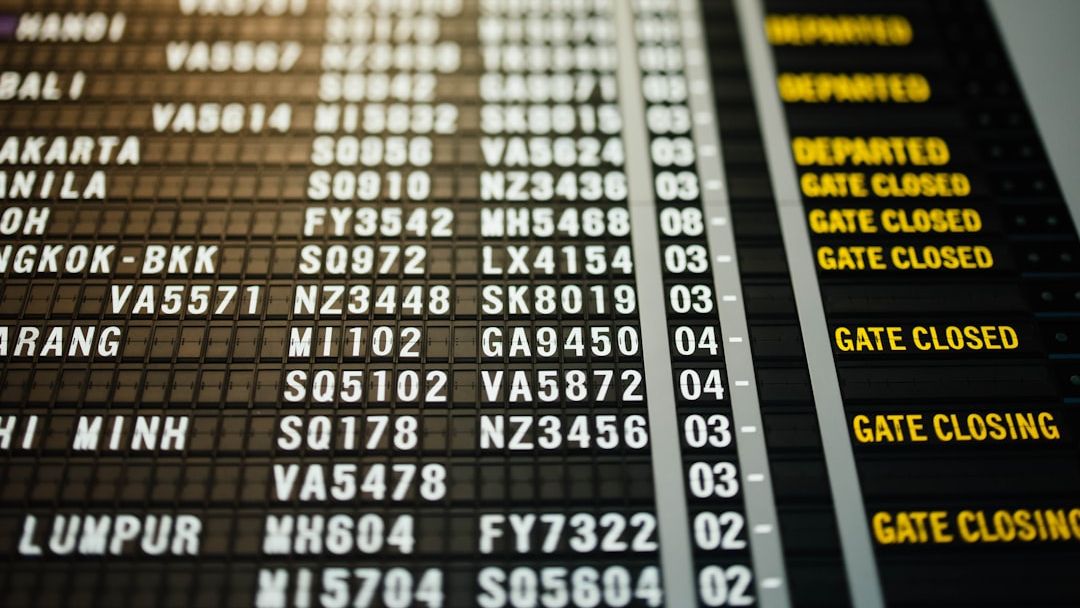
What Changed
Who It Affects
Airlines have fewer spare seats after capacity cuts, making weather-related cancellations harder to fix for international travellers.
International travellers are facing a tougher cancellation landscape as airlines operate with less spare capacity than earlier in 2026. On 2026-08-18, The Independent Travel reported that carriers have cut available capacity since spring as rising fuel costs put pressure on schedules. The result is that when severe weather forces cancellations, airlines have fewer empty seats on later flights to absorb stranded passengers. For travellers, the practical impact is longer waits, more awkward reroutes, and a greater risk that one disrupted flight derails an entire itinerary.
Why Cancellations Are Harder To Fix
A flight cancellation is not only about the aircraft that fails to depart; it also affects crew positioning, onward connections, baggage transfers, airport slots, and passengers booked on later legs. In a fuller schedule with more spare seats, airlines can often move passengers to later services on the same day. But when capacity has been reduced, those later flights may already be close to full before disruption begins. That means a storm that might once have caused a delay can now create a multi-day rebooking problem, particularly on international routes with fewer daily departures.
Who Is Most Exposed
The highest-risk travellers are those on long-haul or multi-leg itineraries where there are limited alternatives. Passengers flying through major hubs may be affected even if the weather problem starts somewhere else, because delayed aircraft and crews can ripple through the network. Families travelling during school holidays, cruise passengers with fixed departure times, and travellers attending weddings or major events have less flexibility if they arrive late. Business travellers may also find that a same-day replacement flight is no longer realistic when capacity is tight.
How To Book More Resilient Trips
The best protection starts before you buy the ticket. Choose nonstop flights where possible, because every connection adds another point of failure. If a connection is unavoidable, avoid the shortest legal connection and build in a larger buffer, especially when crossing borders or collecting checked luggage. For time-sensitive trips, consider arriving the day before rather than trusting the final available flight of the day.
Practical tips
- Tip 1: Book the earliest flight of the day where possible, because morning departures usually have more recovery options if aircraft or crew are delayed by weather earlier in the schedule.
- Tip 2: Avoid tight connections on international trips; allow at least three hours between long-haul flights and more if you are changing airports, clearing immigration, or travelling with checked luggage.
- Tip 3: Download your airline’s app and enable push alerts, because rebooking offers often appear there before call-centre agents can respond during widespread disruption.
- Tip 4: If your flight is cancelled, search alternative routings yourself before speaking to the airline, including partner airlines and nearby airports, so you can request a specific workable option.
Mistakes to avoid
- ✕Mistake 1: Assuming the next flight will have seats available, because reduced capacity means replacement space can disappear quickly after a major cancellation.
- ✕Mistake 2: Booking separate tickets for connecting international journeys without enough buffer, because the second airline may not protect you if the first flight is delayed or cancelled.
- ✕Mistake 3: Waiting in one airport queue without using digital channels, as airline apps, online chat, social media support, and phone lines may produce faster rebooking options.
- ✕Mistake 4: Travelling without proof of disruption, receipts, and booking references, which can make claims for refunds, rerouting, expenses, or insurance reimbursement harder.
Quick checklist
- Check your flight status before leaving for the airport
- Review connection times and identify later backup flights
- Save airline app login details, booking reference, and passport information
- Verify whether your ticket is protected on one itinerary or split across separate bookings
- Have travel insurance, hotel options, and emergency funds ready


