Greece Wildfires Disrupt Summer Travel
August wildfires have destroyed over 100 homes, with travellers told to monitor local orders and Foreign Office advice.
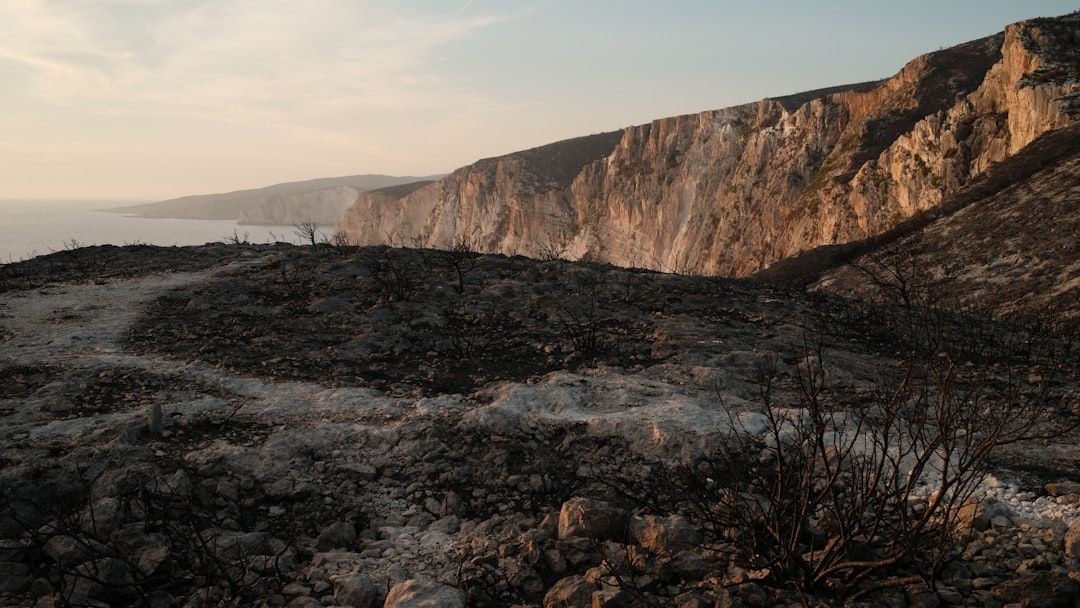
What Changed
Who It Affects
Wildfires in Greece have destroyed over 100 homes, prompting urgent safety checks for international travellers with summer trips booked.
Travellers heading to Greece are being urged to check official advice and local alerts after a major wildfire destroyed more than 100 homes. On 2026-08-02, Greek firefighters were still working to bring the blaze under control, with emergency operations further complicated by reports that firefighting helicopters had collided. The incident does not mean every holiday destination in Greece is unsafe, but it does mean travellers need to treat plans as flexible and location-specific. Anyone due to fly, drive, take a ferry or stay near affected areas should verify the situation before travelling.
What Happened in Greece
Greek emergency crews have been dealing with a large wildfire that has damaged communities and destroyed over 100 homes. Wildfires can change direction rapidly due to wind, heat and dry vegetation, which means a resort or road that appears unaffected in the morning can face smoke or access problems later the same day. Reports of helicopters colliding during the response underline how serious and complex firefighting conditions have become. Travellers should avoid relying on social media clips alone and instead use official local alerts, accommodation updates and Foreign Office advice.
Is It Safe to Travel?
The key question is not simply whether Greece is safe, but whether your specific destination, transfer route and accommodation are affected. Many parts of Greece may continue to operate normally while one region faces evacuation orders, smoke, road closures or emergency restrictions. If you are travelling with children, older relatives or anyone with breathing difficulties, smoke exposure should be taken seriously even when flames are not nearby. Before departure, ask your airline or tour operator whether services are operating and ask your accommodation whether guests are currently being accepted.
Foreign Office Advice for UK Travellers
UK travellers should check the Foreign, Commonwealth and Development Office travel advice for Greece before leaving and while abroad. During wildfire emergencies, official advice commonly directs visitors to follow instructions from local authorities, avoid affected areas and stay alert for evacuation notices. If the Foreign Office advises against travel to a specific area, that may affect package-holiday obligations and insurance cover, so take screenshots and keep records of the advice that applied to your trip. If there is no advice against travel to your exact destination, refunds may depend on the policies of your airline, accommodation provider, travel agent or insurer.
Practical tips
- Tip 1: Check the latest UK Foreign Office Greece page before departure and again before each major transfer, as advice can change quickly during wildfire emergencies.
- Tip 2: Contact your hotel, villa host or tour operator directly and ask whether your exact resort, road access, airport transfer route and local services are operating normally.
- Tip 3: Keep your phone charged, enable emergency alerts, and save local emergency numbers, your airline, insurer, accommodation and embassy contact details offline.
- Tip 4: If you are already in Greece, follow evacuation instructions immediately and do not wait for your airline or travel agent to confirm wider disruption.
Mistakes to avoid
- ✕Mistake 1: Assuming the whole country is unsafe; wildfire impact is often highly localised, so decisions should be based on your exact destination and route.
- ✕Mistake 2: Cancelling a trip too early without checking airline, package-holiday and insurance terms, as voluntary cancellations may not qualify for refunds.
- ✕Mistake 3: Driving towards smoke or closed roads to retrieve luggage or reach a booked hotel, which can put you in danger and obstruct emergency services.
- ✕Mistake 4: Forgetting health risks from smoke; even if flames are far away, poor air quality can affect children, pregnant travellers and people with respiratory conditions.
Quick checklist
- Check the UK Foreign Office Greece travel advice
- Confirm your hotel or villa is open and accessible
- Save airline, insurer, tour operator and emergency contacts
- Pack medication, passports, chargers and essentials in hand luggage
- Have a backup route, accommodation option and evacuation plan ready


