Gulf Flights Face Conflict Disruption
July’s 3-party Iran-Israel-US hostilities are triggering Gulf reroutes, delays, schedule changes and updated travel advisories.
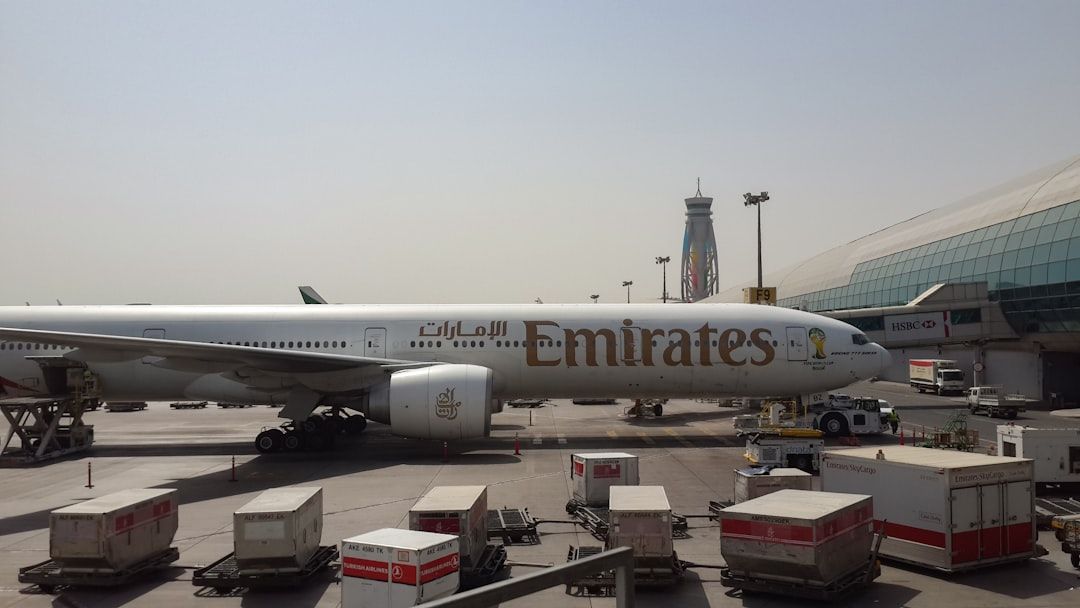
What Changed
Who It Affects
Renewed Iran-Israel-US hostilities are disrupting Gulf aviation, with reroutes, delays and fast-changing travel advice affecting international travellers.
Renewed hostilities involving Iran, Israel and the United States were reported on 2026-07-18 to be disrupting aviation across the Middle East, with Gulf flight routes under particular pressure. Airlines are continuing to operate, but many passengers should expect longer routings, changing departure times, missed connections and possible last-minute cancellations. The disruption is being driven less by one single airport closure and more by a fast-moving security environment in which airspace restrictions, government advisories and airline risk assessments can change quickly.
What Changed for Gulf Flights
The key change is that airlines flying through or near sensitive Middle East airspace are reassessing routes to keep aircraft away from areas considered operationally risky. Gulf carriers have deep long-haul networks linking Europe, Asia, Africa, Australia and North America, so even a routing adjustment over the region can affect passengers far beyond the Middle East. A flight that still departs may take a longer path, arrive later than planned, require extra fuel planning, or trigger knock-on delays for aircraft scheduled to operate later sectors. Travellers should treat published schedules as more fluid than usual while tensions remain elevated.
Who Is Most Likely to Be Affected
The most exposed travellers are those using Gulf hubs for international connections, especially passengers transferring through Dubai, Doha, Abu Dhabi, Bahrain, Muscat or Kuwait. US travellers may face additional concern because the reported hostilities involve the United States as well as Iran and Israel, making official travel advice especially important before departure. Passengers on long-haul itineraries between Europe and Asia, North America and Asia, or Africa and Asia may notice schedule changes even if they are not visiting the Middle East itself. Travellers with cruises, package tours, conferences or fixed departure excursions should contact their operator early if arrival times shift.
Why Delays Can Spread Quickly
Airline disruption in this region can spread quickly because Gulf aviation relies on tightly coordinated hub banks, where many aircraft arrive and depart within short connection windows. If one inbound aircraft is delayed by a reroute, the passengers, crew and aircraft may all be late for onward services. Longer routings can also affect aircraft utilisation, meaning an aircraft scheduled for several flights in a day may gradually fall behind. This is why travellers should not focus only on whether their own flight is currently listed as on time; the incoming aircraft and onward connection are just as important.
Practical tips
- Tip 1: Check your airline’s flight status twice before leaving for the airport — once the night before and again 4-6 hours before departure — because reroutes and schedule changes may appear after online check-in opens.
- Tip 2: Build in longer connection times at Gulf hubs, especially if your itinerary involves separate tickets, checked luggage, or onward flights to destinations in Asia, Europe, Africa or North America.
- Tip 3: Review official government travel advice for every country you will enter or transit, not just your final destination, because advisory changes can affect insurance cover, consular support and employer travel approval.
- Tip 4: Keep airline app notifications, SMS alerts and email updates switched on, and make sure your booking contains the correct mobile number and email address so schedule changes reach you quickly.
Mistakes to avoid
- ✕Mistake 1: Assuming a flight is safe to ignore because it is not cancelled — rerouted flights can still arrive late enough to break onward connections or hotel transfer plans.
- ✕Mistake 2: Booking a tight self-transfer through a Gulf airport during disruption — separate tickets usually mean the second airline does not have to rebook you if the first flight is delayed.
- ✕Mistake 3: Relying only on social media updates — posts can be outdated or incomplete, while airline apps and official advisories are more reliable for operational decisions.
- ✕Mistake 4: Travelling without checking insurance exclusions — many policies limit cover for war, conflict, civil unrest or travel against official government advice.
Quick checklist
- Check airline flight status and airport departure boards before leaving
- Review government travel advice for origin, transit and destination countries
- Confirm your connection time is realistic if the first flight is delayed
- Save airline, insurer, hotel and embassy contact details offline
- Have a backup route, extra funds and essential medication in hand luggage


