Gulf Strikes Disrupt UAE Flights
September US-Iran military exchanges are affecting Dubai and Abu Dhabi flight paths, with airline suspensions continuing on several Middle East routes.
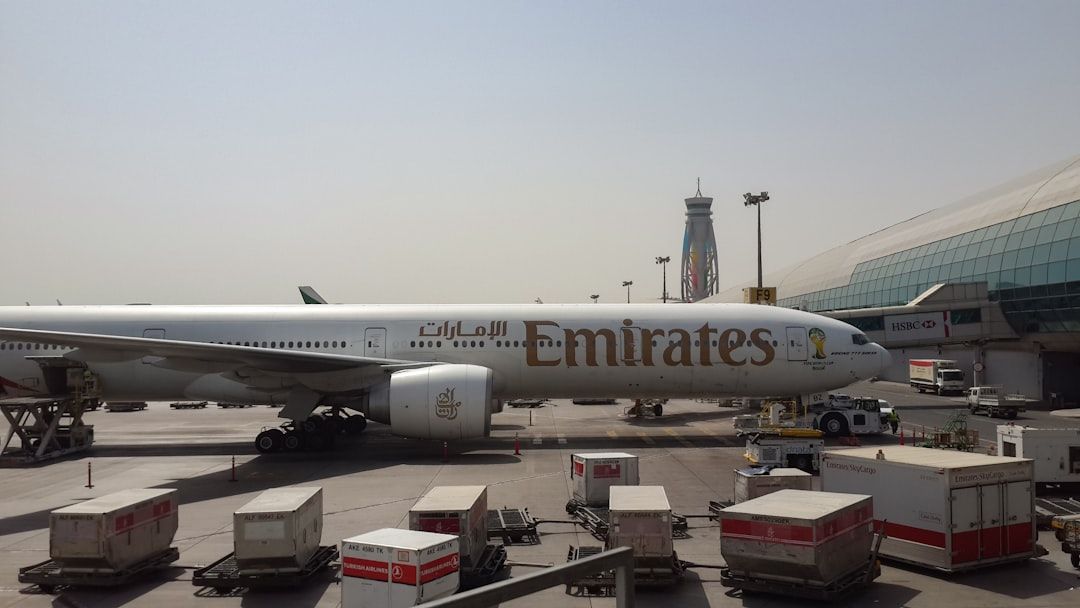
What Changed
Who It Affects
Flights through Dubai and Abu Dhabi face disruption as renewed US-Iran exchanges affect Gulf aviation and Middle East route planning.
Travellers using Dubai and Abu Dhabi should prepare for schedule changes after renewed US-Iran military exchanges disrupted Gulf aviation on 2026-09-02. The immediate impact is being felt by passengers flying through the UAE’s major hubs, where airlines may delay, reroute, suspend, or cancel services depending on airspace safety assessments. Dubai and Abu Dhabi are among the world’s busiest long-haul connection points, so even limited regional disruption can ripple across itineraries linking Europe, North America, Asia, Africa, and Australia. Anyone due to travel through the Gulf should verify their flight directly with the operating airline before going to the airport.
What Changed for UAE Flights
The disruption stems from renewed military exchanges between the US and Iran, which have prompted airlines to reassess operations across parts of Middle Eastern airspace. Carriers do not all respond in the same way: one airline may continue flying with longer routings, while another may suspend a route if risk, insurance, crew availability, or aircraft positioning becomes difficult. Dubai and Abu Dhabi remain critical hubs for international travel, so knock-on effects can include late aircraft arrivals, missed connections, longer flight times, and schedule revisions. Travellers should expect airline decisions to remain dynamic because security conditions, government advisories, and airspace restrictions can change quickly.
Who Is Most at Risk of Disruption
The highest-risk travellers are those connecting through Dubai or Abu Dhabi on tight itineraries, particularly if the onward flight is on a separate booking. Long-haul passengers travelling between the UK, Europe, the US, India, Southeast Asia, Australia, and Africa may be affected if their aircraft normally uses Gulf air corridors or UAE hub connections. Business travellers with same-day meetings, cruise passengers joining departures in the region, and families travelling with children should build in additional buffer time and avoid non-refundable onward arrangements where possible. Travellers flying only within Europe or other regions may still see indirect effects if aircraft or crew are delayed on previous Middle East rotations.
Check the Right Flight Information
The most reliable source is the operating airline’s flight status page or app, because the airline controls schedule changes, rerouting, and rebooking options. Airport departure boards are useful close to departure, but they may not show future itinerary changes or proactive rebooking offers. Online travel agencies and flight-tracking apps can lag behind airline systems, especially during fast-moving disruption. If your booking involves a codeshare, check the airline actually operating the aircraft rather than relying only on the marketing airline shown on your ticket.
Practical tips
- Tip 1: Check your booking directly with the operating airline, not just the travel agent or airport board, because reroutes and cancellations may be loaded into airline systems before third-party apps update.
- Tip 2: Allow extra connection time if transiting through Dubai or Abu Dhabi, especially on separate tickets, because a delay on the first sector may not automatically protect your onward flight.
- Tip 3: Keep your phone charged and roaming enabled, and make sure airline app notifications are switched on so you receive gate changes, rebooking offers, and disruption alerts quickly.
- Tip 4: If your flight is cancelled, ask the airline in writing for rerouting options, hotel support, meals, and written confirmation of the disruption reason for insurance or rights claims.
Mistakes to avoid
- ✕Mistake 1: Assuming a flight is operating because it still appears in a search engine; airline operational status can change faster than online travel agencies refresh their listings.
- ✕Mistake 2: Cancelling your own ticket too early without speaking to the airline; voluntary cancellation can reduce your refund or rebooking rights compared with an airline-initiated cancellation.
- ✕Mistake 3: Booking a separate onward flight with a short connection through the UAE; if the first flight is delayed by airspace disruption, the second airline may treat you as a no-show.
- ✕Mistake 4: Ignoring travel insurance wording; many policies treat conflict-related disruption differently, so you need to check delay, abandonment, missed departure, and airspace closure clauses.
Quick checklist
- Confirm flight status with the operating airline before leaving for the airport
- Check government travel advice for the UAE, Iran, and any transit country
- Save airline, travel agent, insurer, and hotel contact details offline
- Verify whether your ticket is one through-booking or separate flights
- Have a backup overnight stay, alternative route, and essential medication in hand luggage


