Heathrow Gatwick Hit By ATC Glitch
September technical issue grounded hundreds of departures at Heathrow and Gatwick, disrupting international connections and onward travel.
What Changed
Who It Affects
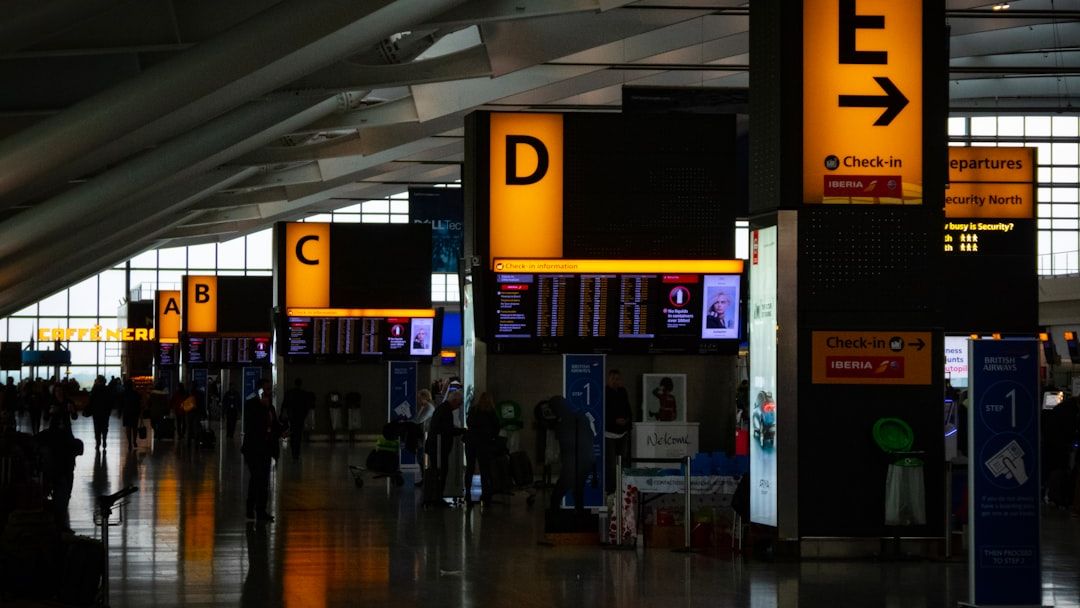
Hundreds of Heathrow and Gatwick flights were grounded after an air traffic control technical issue disrupted departures and connections.
Passengers at Heathrow and Gatwick faced major disruption on 2026-09-08 after a technical issue affecting air traffic control grounded hundreds of take-offs. The problem created a fast-moving situation for international travellers, with delays affecting not only departures but also aircraft rotations, crew schedules, and onward connections. Even passengers whose flights were not immediately cancelled risked later disruption because delayed aircraft may arrive late for their next scheduled service.
What Happened at Heathrow and Gatwick
The disruption centred on an air traffic control technical issue that affected the flow of departures from two of the UK’s busiest airports. Heathrow and Gatwick handle a large share of the country’s long-haul, short-haul, and connecting traffic, so even a temporary restriction can quickly produce queues of aircraft waiting for departure slots. When aircraft cannot take off on time, airlines may also struggle to keep later flights on schedule because planes, pilots, cabin crew, and airport gates are all planned tightly.
Why International Travellers Are Most Exposed
International passengers are particularly vulnerable because a delay at Heathrow or Gatwick can affect several stages of a journey. A traveller flying from London to Europe may miss a same-day connection to a smaller city, while a long-haul passenger may arrive too late for a domestic connection, cruise departure, hotel check-in, or tour start time. Families, older travellers, and passengers needing mobility assistance should allow extra time to communicate with airline staff because rebooking during widespread disruption can involve long queues and slow call-centre response times.
What To Do Before Leaving for the Airport
Before heading to Heathrow or Gatwick, check your airline app, the airport departures page, and any email or text alerts linked to your booking. Do not rely only on third-party flight trackers, because airline systems and airport boards are usually the most relevant sources for check-in, gate, and boarding decisions. If your flight is showing a long delay, check whether bag drop and check-in are still open at the normal time, as airlines may still require passengers to be present even when departure has moved.
Practical tips
- Tip 1: Check your airline app and airport departure board before leaving for Heathrow or Gatwick, as delays may change quickly and gate information can update at short notice.
- Tip 2: If your flight is delayed by several hours, ask your airline staff or app support about meal vouchers, hotel accommodation, transport, and rerouting options rather than waiting passively at the gate.
- Tip 3: If you have a connection, contact the operating airline as soon as the first delay appears; rebooking before you miss the connection can give you better routing options.
- Tip 4: Keep receipts for meals, transport, phone calls, and overnight stays caused by the disruption, but keep spending reasonable because airlines may reject excessive claims.
Mistakes to avoid
- ✕Mistake 1: Assuming your flight is cancelled just because it is heavily delayed; leaving the airport without airline confirmation can weaken your rebooking options.
- ✕Mistake 2: Booking a replacement flight on another airline before speaking to your original carrier; you may not be reimbursed if the airline could have rerouted you itself.
- ✕Mistake 3: Ignoring checked baggage rules during rerouting; bags may remain tied to the original flight or require airline handling before you can switch routes.
- ✕Mistake 4: Expecting automatic cash compensation for every delay; air traffic control technical issues may be treated differently from airline-controlled problems, although care and assistance rights can still apply.
Quick checklist
- Check your airline app, email, and SMS alerts before travelling to the airport
- Confirm whether your flight is delayed, cancelled, or still boarding
- Save boarding passes, booking references, receipts, and delay screenshots
- Verify connection times, baggage arrangements, and rebooking options
- Have a backup hotel, transport, or next-day flight plan ready


