India Keeps Thai Visas Free
September extension keeps 30-day double-entry e-Tourist visas fee-free for Thai nationals until December 2027.
What Changed
Who It Affects
Thai travellers can keep using India’s free 30-day double-entry e-Tourist visa as pilgrimage and leisure demand rebounds.
India has extended its free 30-day, double-entry e-Tourist visa for Thai nationals, according to a Travel Daily Media report published on 2026-09-24. The extension keeps the fee waiver in place until December 2027, giving Thai travellers a longer booking window for short leisure and pilgrimage trips. For travellers, the most important point is that this is not visa-free entry: eligible visitors still need to apply online and receive approval before travelling. The decision is particularly significant for Buddhist pilgrimage travel, where demand from Thailand is returning and group tour planning depends heavily on predictable entry rules.
What Has Changed for Thai Travellers
The core change is the extension of a free 30-day, double-entry e-Tourist visa arrangement for Thai nationals travelling to India. This means eligible Thai passport holders can continue to apply for the short-stay tourist e-Visa without paying the visa fee during the extended period. The double-entry feature is useful for travellers whose itinerary includes leaving India once and returning within the visa conditions, although the route must still be planned carefully. Travellers should read the final approval notice closely because the permitted stay, entry count and arrival conditions are determined by the visa issued.
Why Pilgrimage Travel Is Central
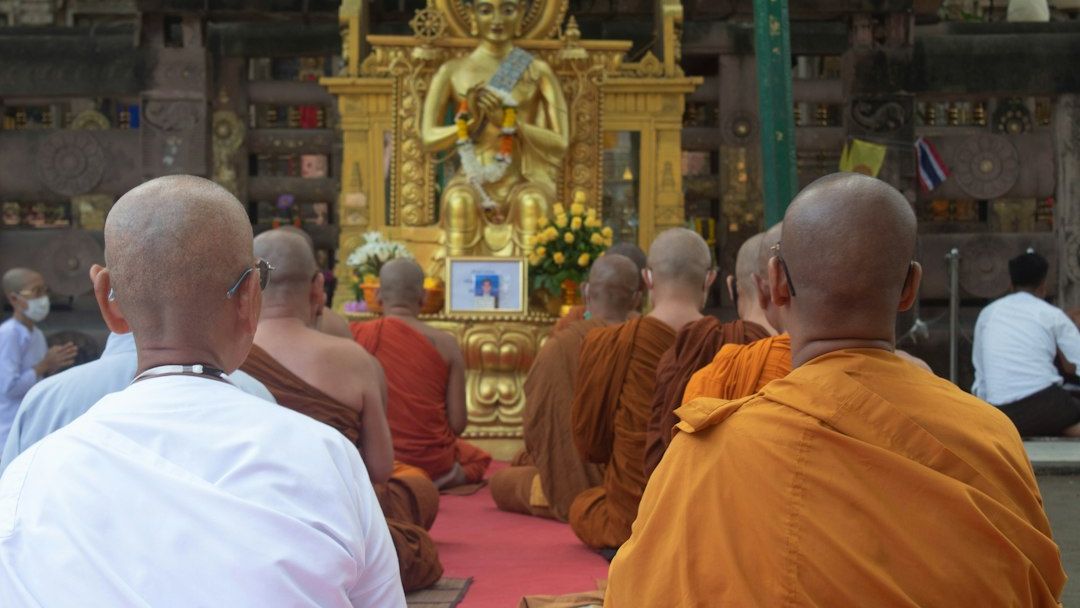
The extension matters because India is a major pilgrimage destination for Thai Buddhist travellers. Many itineraries focus on sacred sites associated with the life of the Buddha, often combining multiple cities and overland transfers into one organised journey. Removing the visa fee helps reduce trip costs and gives tour operators more confidence when marketing group departures months in advance. For older travellers, families and first-time India visitors, packaged pilgrimage tours are often preferred because they combine visa guidance, transport, hotels and local assistance.
Who Benefits Most
Thai passport holders planning short tourism or pilgrimage visits are the clearest beneficiaries, especially those travelling in organised groups. Tour operators, destination management companies and travel agents also benefit because they can price India packages with fewer visa-cost variables. Airlines serving Thailand-India demand may see stronger forward bookings on leisure and religious travel routes if the visa process remains predictable. However, travellers in mixed-nationality groups should be careful, because companions using other passports may face different fees, processing rules or visa categories.
Practical tips
- Apply only through India’s official e-Visa portal and select the correct e-Tourist visa category for a short visit, rather than using unofficial visa websites that may add service charges.
- Check your passport validity before booking flights; India-bound travellers should generally ensure their passport has enough validity and blank pages for immigration formalities.
- Keep a printed and digital copy of the approved Electronic Travel Authorisation, as airlines may ask to see it at check-in and Indian immigration officers may verify it on arrival.
- Build your pilgrimage itinerary around realistic travel times, especially for multi-city Buddhist circuits where road and rail transfers can be long and seasonal congestion may affect schedules.
Mistakes to avoid
- ✕Assuming the free visa means visa-free entry; Thai nationals still need to apply for and receive the correct Indian e-Tourist visa before travel.
- ✕Using third-party websites without checking fees and legitimacy, which can lead to unnecessary costs, incorrect applications or delayed approvals.
- ✕Planning business, employment or long-stay activity on a tourist visa, as the 30-day e-Tourist visa is intended for eligible short tourism-related travel only.
- ✕Forgetting the double-entry limit, which can cause problems for travellers who plan multiple side trips in and out of India within the same itinerary.
Quick checklist
- Apply through the official Indian e-Visa website
- Confirm you are using a Thai passport eligible for the free visa
- Save printed and digital copies of the visa approval
- Verify your itinerary fits the 30-day double-entry conditions
- Have a backup plan for delays, missed connections or document issues


