Iran Warning Raises Gulf Flight Concerns
September warning did not name airports, but puts major Gulf hubs—Dubai, Doha, Abu Dhabi and possibly Muscat—on travellers’ watchlists.
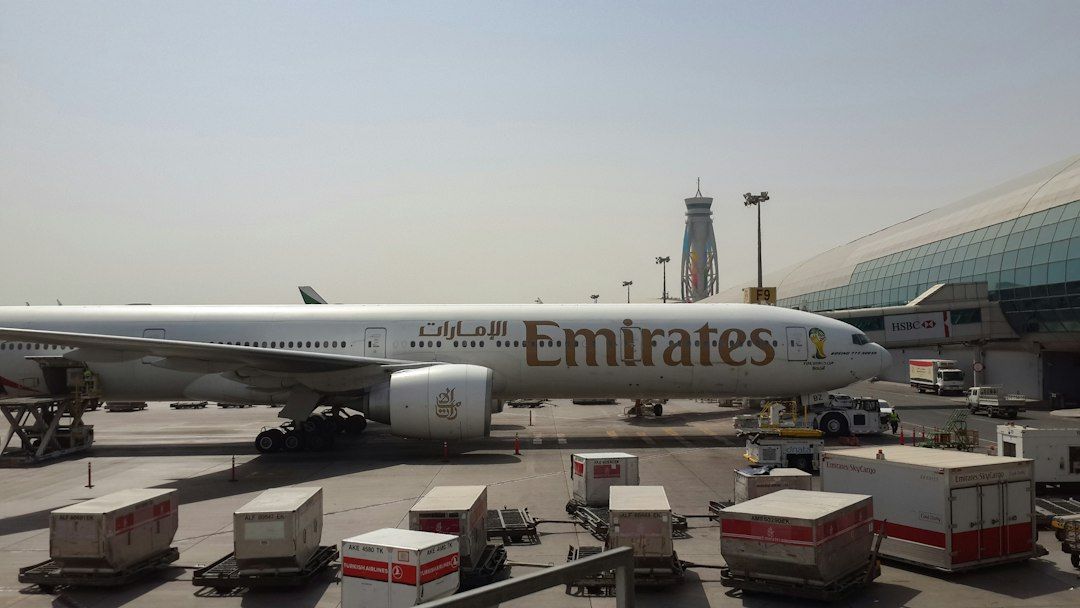
What Changed
Who It Affects
Iran’s warning over neighbouring airports has not caused confirmed Gulf airport closures, but travellers using Dubai, Doha, Abu Dhabi or Muscat should monitor flights closely.
Iran’s warning on 2026-09-23 has put some of the world’s busiest Gulf aviation hubs under closer scrutiny, even though no specific airport was named in the statement reported by eTurboNews. The concern for travellers is not that Dubai, Doha, Abu Dhabi or Muscat have stopped operating, but that any escalation involving regional airports could quickly affect long-haul connections. Emirates, Qatar Airways and Etihad Airways depend on smooth hub operations, and millions of passengers use these airports for one-stop journeys between Europe, Asia, Africa, Australia and the Americas. For now, this is a developing safety and disruption risk rather than a confirmed airport closure.
What Actually Changed
The key development is Iran’s threat to disrupt airports in neighbouring countries that cooperate with U.S. restrictions on Iranian airlines. The statement did not identify Dubai International, Doha Hamad International, Abu Dhabi Zayed International or Muscat International by name, but those hubs are being watched because of their proximity, geopolitical importance and role in global aviation. Dubai is especially significant because it is one of the world’s largest international transfer airports and the main hub for Emirates, with flydubai also operating extensive regional services. Doha and Abu Dhabi are similarly important because Qatar Airways and Etihad Airways rely on tightly timed connection banks that can be affected by even relatively small operational changes.
Who Should Pay Closest Attention
The travellers most exposed are those using Gulf airports as connection points rather than final destinations. A passenger flying London to Bangkok via Doha, Manchester to Sydney via Dubai, Paris to Mumbai via Abu Dhabi or Frankfurt to Zanzibar via Muscat may never plan to leave the airport, but still depends on that hub operating normally. Families, older travellers, cruise passengers, business travellers and anyone with a wedding, conference, medical appointment or tour departure should be especially cautious about tight timings. If you are booked on a single through-ticket, your airline usually has more responsibility to rebook you after disruption than if you built your own itinerary using separate tickets.
Current Advice for Dubai, Doha, Abu Dhabi and Muscat
Travellers should not treat the warning as proof that any of these airports are unsafe or closed. Instead, the practical response is to increase monitoring and reduce avoidable risk in your itinerary. Check live departure boards for Dubai International, Doha Hamad International, Abu Dhabi Zayed International and Muscat International if your journey uses those airports, and compare that information with your airline’s own flight-status page. If your airline says the flight is operating, turning up as normal is usually important unless official government advice or the airline’s own instructions say otherwise.
Practical tips
- Check your flight status at least twice: once the day before travel and again before leaving for the airport. Use your airline’s app and the airport’s live departures page rather than relying only on third-party booking sites.
- Build extra connection time if you are booking a new itinerary through Dubai, Doha, Abu Dhabi or Muscat. Avoid very tight connections because even short airspace changes, security delays or schedule adjustments can cause missed onward flights.
- Keep essential items in your cabin bag, including medication, chargers, a change of clothes, travel documents and baby supplies. If disruption occurs during a connection, checked luggage may not be immediately accessible.
- Know your ticket rules before cancelling voluntarily. If the airline cancels or significantly changes your flight, you may have stronger rebooking or refund rights than if you decide not to travel while flights are still operating.
Mistakes to avoid
- ✕Do not assume Dubai, Doha, Abu Dhabi or Muscat are closed. The warning did not name specific airports, and changing plans based on rumours could leave you paying avoidable cancellation or fare-change fees.
- ✕Do not wait until you reach the airport to deal with a problem. If disruption develops, airline call centres, apps and online rebooking tools may give you more options before airport queues build up.
- ✕Do not book separate tickets with a short self-transfer through a Gulf hub. If your first flight is delayed and the second ticket is not protected on the same booking, the onward airline may treat you as a no-show.
- ✕Do not rely on compensation rules without checking eligibility. UK261, EU261 and other passenger-rights regimes depend on departure airport, airline nationality, cause of disruption and whether the flight actually operated.
Quick checklist
- Check airline app and airport departures before leaving home
- Review official travel advice for the UAE, Qatar, Oman and Iran
- Save airline booking reference, ticket number and support contacts offline
- Verify connection times, visa rules and hotel options if stranded in transit
- Have travel insurance, payment card and backup routing ready


