Jordan Courts Chinese Tourists
King Abdullah II’s Shanghai talks highlight a push for Chinese visitors, better air links, and stronger demand for Petra, Wadi Rum, and the Dead Sea.
What Changed
Who It Affects
Jordan is targeting China’s outbound travel market, with Petra, Wadi Rum, the Dead Sea, and Amman set to benefit if new air links and tourism partnerships follow.
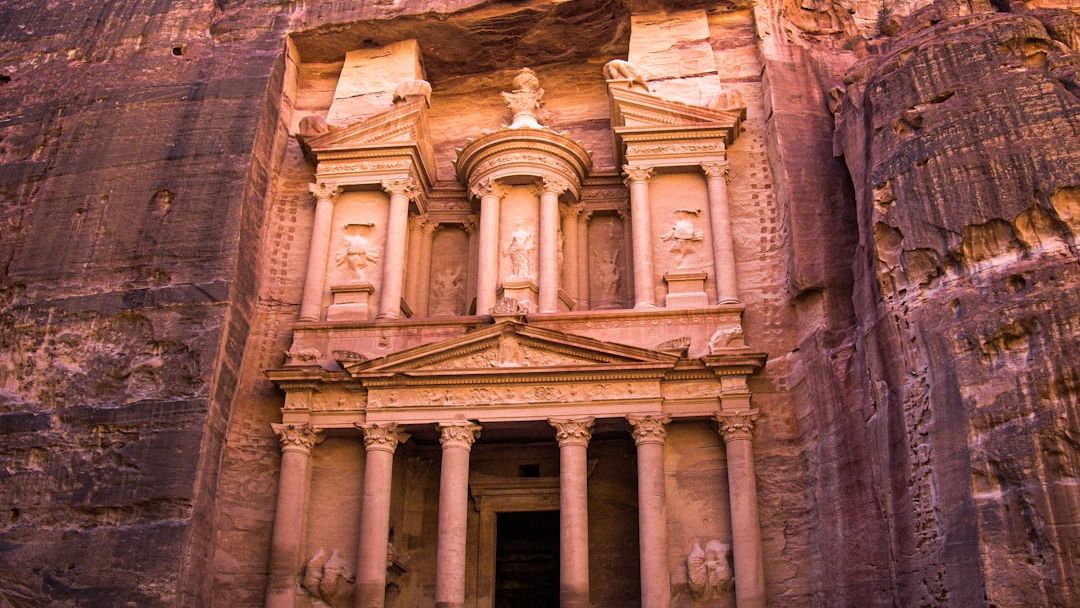
Jordan is making a bigger play for one of the world’s most important outbound travel markets: China. On August 26, 2026, King Abdullah II’s talks in Shanghai put tourism, air connectivity, and cultural cooperation firmly in the spotlight. For travellers, this is not a sudden rule change or disruption, but it could shape how Jordan is packaged, promoted, and reached in the coming months. Petra, Wadi Rum, the Dead Sea, Amman, and Jordan’s wider heritage network are the destinations most likely to benefit from the push.
What Changed for Travellers
The key development is Jordan’s clear signal that it wants to attract more Chinese visitors and make the journey easier through stronger tourism ties and better connectivity. The report did not confirm a specific new direct flight, airline launch, or start date, so travellers should treat this as a strategic tourism move rather than an immediate timetable change. However, when governments and tourism authorities prioritise a market, the practical results often include more tour packages, more language support, joint marketing campaigns, and pressure for improved air links. Travellers already considering Jordan should watch for new fares, new one-stop routings, and larger group movements at the country’s headline attractions.
Why China Matters to Jordan
China represents a major opportunity for destinations that can combine iconic sights, cultural depth, safety planning, and strong organised-tour infrastructure. Jordan’s appeal is well suited to that market because it offers globally recognised landmarks, desert scenery, religious and historical routes, wellness travel at the Dead Sea, and compact itineraries that can fit into a week or less. For Jordan, attracting more Chinese travellers could help diversify tourism demand beyond traditional European, regional, and North American source markets. For visitors from other countries, the effect may be more visible during peak periods, when hotel space, guides, and transport around Petra and Wadi Rum can become more competitive.
Destinations Most Likely to See Demand
Petra is the obvious centrepiece because it is Jordan’s best-known attraction and a major bucket-list site for international travellers. Wadi Rum is also likely to feature heavily in China-focused itineraries, especially for travellers interested in desert camps, dramatic landscapes, stargazing, and photography. The Dead Sea adds a wellness angle, with floating, spa treatments, and resort stays that appeal to travellers looking for a softer experience after heritage touring. Amman, Jerash, Madaba, Mount Nebo, Aqaba, and Dana can help spread visitor numbers and create richer itineraries beyond the classic Petra-only stop.
Practical tips
- Tip 1: If you are planning Petra or Wadi Rum, book accommodation and licensed guides early for peak travel periods, as increased Chinese tour demand could tighten availability around the most popular sites.
- Tip 2: Monitor airline schedules into Amman Queen Alia International Airport before committing to a complex itinerary, because any new China-Jordan connectivity may change the best one-stop routing options through Gulf, Turkish, or Asian hubs.
- Tip 3: Check visa and Jordan Pass rules directly before booking; many travellers use the Jordan Pass to bundle entry to major attractions with visa-related benefits, but eligibility and stay requirements can vary by nationality.
- Tip 4: Build an itinerary that spreads demand beyond Petra by including Amman, Jerash, Madaba, Wadi Rum, the Dead Sea, Aqaba, and local food or craft experiences, which can help avoid overloading one destination.
Mistakes to avoid
- ✕Mistake 1: Assuming new direct flights are already confirmed; the report signals a tourism push and air-connectivity ambitions, but travellers should wait for official airline schedules before booking around a new route.
- ✕Mistake 2: Leaving Petra planning until arrival, because higher international demand can make the best guides, hotels, and transport options harder to secure at short notice.
- ✕Mistake 3: Treating Jordan as a one-site trip focused only on Petra; this can lead to rushed travel and missed value from Wadi Rum, the Dead Sea, Jerash, Amman, Aqaba, and Jordan’s food and culture scene.
- ✕Mistake 4: Relying on outdated visa or entry advice from blogs, as rules, passport requirements, and Jordan Pass conditions should always be checked through official sources before departure.
Quick checklist
- Check current Jordan entry, visa, and passport rules for your nationality
- Compare flight options into Amman Queen Alia International Airport
- Book Petra, Wadi Rum, and Dead Sea accommodation early for busy periods
- Verify Jordan Pass eligibility and attraction inclusions before purchase
- Have a second-choice route, hotel area, or travel date ready


