Nepal Flash Floods Hit Trekkers
August floods in a popular Himalayan travel region have left hundreds feared dead, disrupting trekkers, pilgrims and border-route journeys.
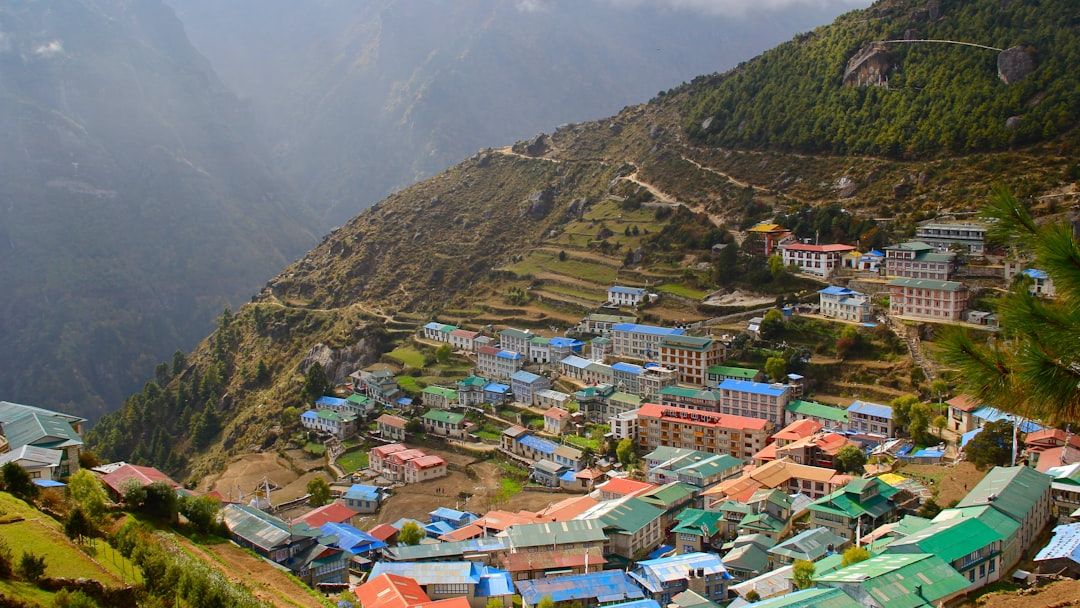
What Changed
Who It Affects
Flash floods have devastated a Nepal tourist area, with hundreds feared dead and major risks for trekkers, pilgrims and overland travellers.
Travellers planning trips to Nepal are being urged to reassess mountain and pilgrimage itineraries after devastating flash floods were reported on 2026-08-27 in a major tourist region. Hundreds are feared dead, and the area is known to attract Himalayan trekkers as well as pilgrims travelling towards holy sites in Tibet. Even if your flight into Nepal is operating normally, the bigger risk is likely to be on the ground: damaged roads, washed-out bridges, blocked trekking routes, disrupted accommodation and reduced communications. Anyone due to travel imminently should confirm conditions locally before leaving a major city or committing to remote transport.
What Happened in Nepal
On 2026-08-27, flash floods were reported to have struck a popular Himalayan travel area in Nepal, with hundreds feared dead. The region is significant for tourism because it is used by trekkers exploring mountain landscapes and by pilgrims moving towards sacred sites in Tibet. Flash floods in Nepal can be especially dangerous because steep terrain channels water, rock and debris through valleys with very little warning. That means the threat is not limited to the initial flood zone; landslides, road collapses and damaged river crossings can affect access for days or longer.
Is It Safe to Travel to Nepal Now?
Travel to Nepal is not automatically unsafe everywhere, but travellers should avoid treating the country as one single risk area. Kathmandu and major entry points may operate differently from remote trekking corridors, border routes and river valleys, so the key question is whether your specific itinerary passes through affected or at-risk terrain. If your trip involves Himalayan trekking, overland transfers, pilgrimage travel, remote lodges or travel towards Tibet-linked routes, you should seek current local confirmation before proceeding. If your operator cannot confirm road, bridge, trail and accommodation safety, postponing or rerouting is the more sensible option.
Who Should Be Most Concerned
The highest-risk travellers are those with fixed itineraries in remote mountain areas, especially independent trekkers, small-group trekking clients and pilgrims with tight onward schedules. Backpackers using local buses or shared jeeps should be particularly cautious because road conditions can deteriorate quickly and vehicles may attempt difficult sections before official information is widely available. Families and older travellers should think carefully about access to medical care, medication supplies and evacuation options if routes close unexpectedly. Travellers with Tibet-related permits or pre-arranged pilgrimage plans should also check whether delays could affect border procedures or onward permissions.
Practical tips
- Tip 1: Contact your tour operator, trekking agency, guide or hotel before moving; ask for written confirmation that roads, trails, bridges and accommodation on your route are open and safe.
- Tip 2: Avoid travelling towards flood-hit valleys, river corridors or mountain roads simply because your itinerary says so; conditions can change quickly and local closures may not appear on international booking apps.
- Tip 3: Keep at least 48 hours of flexibility in your Nepal plans, especially if you have an onward international flight, Tibet permit schedule or long-distance road transfer.
- Tip 4: Save offline copies of your passport, visa, insurance policy, emergency contacts, trekking permits and flight bookings in case mobile networks or power supplies fail.
Mistakes to avoid
- ✕Mistake 1: Assuming a route is safe because it is famous with trekkers; popular Himalayan corridors can still be cut off by landslides, bridge damage or flash flooding.
- ✕Mistake 2: Relying only on social media updates; posts may be outdated, location-specific or missing official closure information.
- ✕Mistake 3: Travelling without specialist insurance that covers trekking altitude, emergency evacuation and weather disruption; standard policies may exclude mountain rescue or remote-area delays.
- ✕Mistake 4: Pressuring guides or drivers to continue when they advise stopping; local staff usually have the best understanding of river levels, road stability and rescue access.
Quick checklist
- Contact your airline, tour operator and accommodation before departure
- Check GOV.UK Nepal travel advice and local flood alerts
- Keep passport, visa, permits and insurance documents offline
- Verify whether roads, bridges, trails and border routes are open
- Have extra cash, medication, power banks, food and a safe fallback city ready


