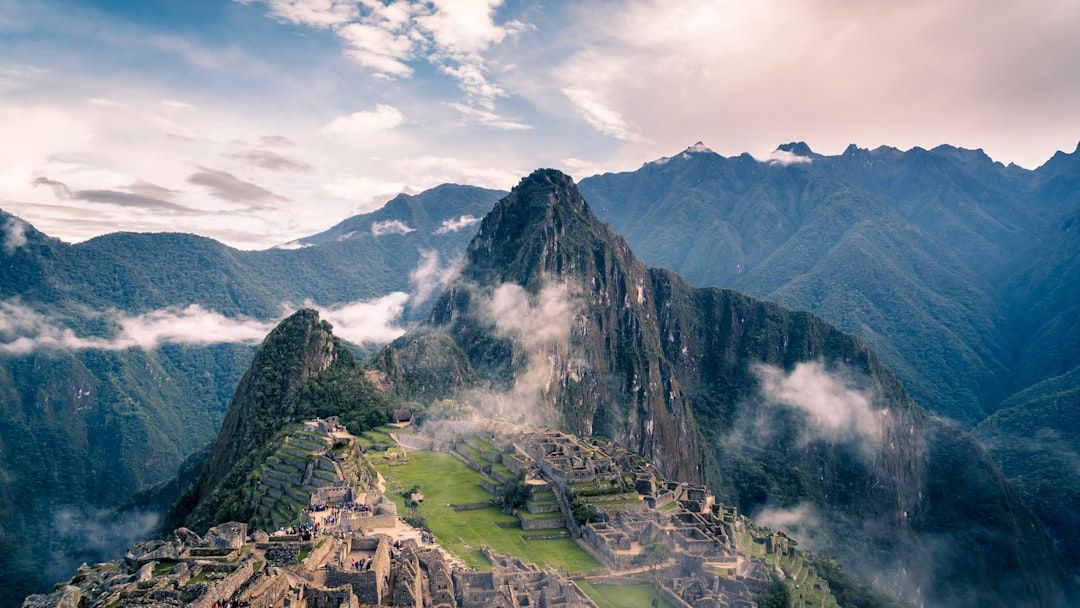
August measures target better air links, broader travel routes and changes to Machu Picchu access for international visitors.
14 August 2026Source: Travel Daily NewsOriginally: "Peru targets tourism recovery with new measures for connectivity and Machu Picchu access"
What Changed
Peru’s Tourism Minister Rogers Valencia outlined a new push on 2026-08-14 to accelerate the country’s tourism recovery. The measures focus on three practical areas for travellers: improving air connectivity, encouraging visitors to explore destinations beyond the best-known routes, and reforming how access to Machu Picchu is managed. The announcement is aimed at making Peru easier to reach and easier to plan, particularly for international travellers who depend on reliable flight links and predictable entry systems for major attractions. Specific route additions, ticketing rules and implementation dates were not detailed in the source summary, so travellers should treat this as a policy direction rather than an immediate change to existing bookings.
Who It Affects
International travellers planning Peru trips, especially first-time visitors building itineraries around Lima, Cusco, the Sacred Valley and Machu Picchu; long-haul travellers relying on international flight connections into Peru; tour groups, backpackers and families who need confirmed Machu Picchu tickets before arranging trains, hotels and guides.
Peru is moving to boost tourism recovery with improved air connectivity, wider destination promotion and planned reforms to Machu Picchu ticketing.
Peru is signalling a renewed push to bring international visitors back by making the country easier to reach, easier to explore and easier to book. In a report published on 2026-08-14, Tourism Minister Rogers Valencia outlined measures focused on air connectivity, destination diversification and reforms to Machu Picchu access. For travellers, the biggest practical takeaway is not that rules have changed overnight, but that Peru is preparing to improve the systems that shape how trips are planned. Anyone building an itinerary around Lima, Cusco, the Sacred Valley and Machu Picchu should keep a close eye on official updates before locking in every part of the journey.
What Peru Is Trying To Change
The recovery plan described by Peru’s tourism minister centres on three pressure points that matter directly to visitors. First, improved air connectivity would make it easier for long-haul travellers to reach Peru and connect onward to key domestic destinations. Second, destination diversification aims to spread visitors beyond the most famous stops, reducing pressure on headline attractions while encouraging longer and more varied trips. Third, Machu Picchu ticketing reform is intended to improve access management for one of South America’s most in-demand visitor sites.
The announcement should be treated as a policy direction rather than a finished set of traveller rules. The source summary does not provide specific new flight routes, ticket prices, entry quotas or start dates for any new Machu Picchu booking system. That means travellers should not cancel or rebook existing arrangements simply because the recovery plan has been announced. Instead, the smart move is to monitor official channels and make bookings in an order that protects the most important parts of the trip.
Why Machu Picchu Access Matters
Machu Picchu is often the anchor of a Peru itinerary, which means a ticketing change can affect hotels, trains, guides, domestic flights and even the length of stay in Cusco. Travellers typically need to coordinate timed entry, transport to Aguas Calientes, access to the citadel and sometimes additional circuits or mountain hikes. If Peru reforms the ticketing process, visitors may eventually see clearer booking flows, different sales windows or revised access rules. Until exact details are confirmed, the safest approach is to secure official entry before committing to non-refundable supporting arrangements.
Practical tips
Tip 1: Check Machu Picchu ticket availability before paying for non-refundable trains, hotels or tours, because access reforms may affect how and when tickets are released.
Tip 2: Build your Peru itinerary around confirmed logistics: international flight, Lima connection, Cusco accommodation, train or bus transfer, and Machu Picchu entry time.
Tip 3: Consider adding alternative destinations such as Arequipa, Lake Titicaca, the Amazon, northern Peru or the Sacred Valley if Peru promotes broader tourism routes and air links improve.
Tip 4: Use official tourism and ticketing sources first, then compare reputable tour operators, as high-demand sites such as Machu Picchu are vulnerable to confusion, resale mark-ups and fake availability claims.
Mistakes to avoid
✕Mistake 1: Assuming the announcement means immediate new flights or instant ticketing changes, when the source describes recovery measures rather than a fully published rollout.
✕Mistake 2: Booking a Machu Picchu package without confirming whether the entry ticket is included, because transport and guiding services do not always guarantee site access.
✕Mistake 3: Planning a same-day Lima-to-Cusco-to-Machu Picchu itinerary, which leaves little room for delays, altitude adjustment or timed-entry complications.
✕Mistake 4: Relying only on third-party social media updates for rule changes, since official ticketing and tourism channels are the safest sources for access requirements.
Quick checklist
Confirm Machu Picchu ticket rules and entry-slot availability
Check international and domestic flight options into Peru
Prepare a flexible Cusco or Sacred Valley buffer day
Verify whether tours include official entry tickets
Have alternative Peru destinations ready if plans change
This is especially important for families, escorted groups and travellers with limited annual leave. A missed Machu Picchu slot is not always easy to replace at short notice, particularly during high-demand periods. If you are using a tour operator, ask for written confirmation that the official site ticket is included, not just transport, guiding or accommodation. If you are travelling independently, save copies of booking confirmations and check that names, dates and entry times match your passport details and wider itinerary.
Air Connectivity Could Reshape Itineraries
Improving air connectivity could make Peru more attractive to travellers who currently face long connections, limited domestic routing or awkward arrival times. Most international visitors build their trip around Lima as the main gateway, then connect to destinations such as Cusco for the Sacred Valley and Machu Picchu. Better connectivity could also support less crowded regional routes if airlines expand schedules or if tourism authorities promote more balanced travel flows. However, until individual airlines publish schedules, travellers should continue to compare connection times carefully and avoid overly tight same-day transfers.
A practical Peru itinerary should include breathing room, especially when flying from sea-level Lima to high-altitude Cusco. Delays, weather, luggage issues and altitude adjustment can all affect onward plans. If Machu Picchu is the highlight of the trip, consider spending at least one night in Cusco or the Sacred Valley before travelling to the site. This buffer can reduce stress and gives you more flexibility if a domestic flight time changes.
Look Beyond The Classic Route
Peru’s emphasis on diversifying destinations could be good news for travellers who want a richer trip than the standard Lima, Cusco and Machu Picchu route. Depending on flight schedules and personal interests, visitors may consider Arequipa, Colca Canyon, Lake Titicaca, the Amazon, northern archaeological sites, Pacific coast food destinations or community-based tourism in the Andes. Spreading travel across more regions can also help avoid overcrowding and may create better value if the most famous areas are heavily booked. The key is to balance ambition with realistic travel times, because Peru’s geography makes some overland journeys long and tiring.
For independent travellers, diversification means checking how each region connects by air, road or rail before adding it to the itinerary. For package travellers, it means asking tour operators whether alternative routes are supported by reliable local partners and safe transport arrangements. Peru can reward slower travel, so adding one well-chosen region is often better than rushing through several places. If improved connectivity follows the minister’s announcement, these broader itineraries may become easier to plan.
How To Protect Your Booking
The best booking strategy is to confirm the hardest-to-replace elements first. For many visitors, that means international flights, Machu Picchu entry, key train journeys and accommodation in Cusco or the Sacred Valley. Use official sources wherever possible, and be cautious with sellers promising guaranteed access if official availability appears limited. If a tour operator is handling the booking, ask for a clear breakdown showing what is included, what is pending and what happens if entry rules change.
Travel insurance is also important, but travellers should read the policy rather than assume every disruption is covered. Look for cover that fits your trip style, including missed departure, delays, medical care, high-altitude activities if relevant and cancellation terms. If you are booking flights separately from tours and hotels, understand that one supplier may not be responsible if another part of the itinerary changes. Keeping a flexible day in the schedule is often the simplest and cheapest form of protection.
Bottom Line For Travellers
Peru’s tourism recovery measures are a positive signal for international travellers, but the immediate advice is to plan carefully rather than react quickly. Improved flights, broader destination promotion and Machu Picchu ticketing reform could all make travel smoother if they are implemented clearly. For now, visitors should verify official ticketing rules, avoid non-refundable chains of bookings and build flexibility around Cusco and Machu Picchu. The travellers who benefit most will be those who track official updates and design itineraries that can adapt as Peru’s tourism changes take shape.
Tip 5: Keep a flexible backup day near Cusco or the Sacred Valley in case flight schedules, weather, altitude adjustment or entry-slot availability affect your original plan.