Portsmouth Ferry Plugs In Before France Sailing
In August, Brittany Ferries’ Guillaume de Normandie used two hours of shore power at Portsmouth before departing for France, marking a cleaner cross-Channel operation.
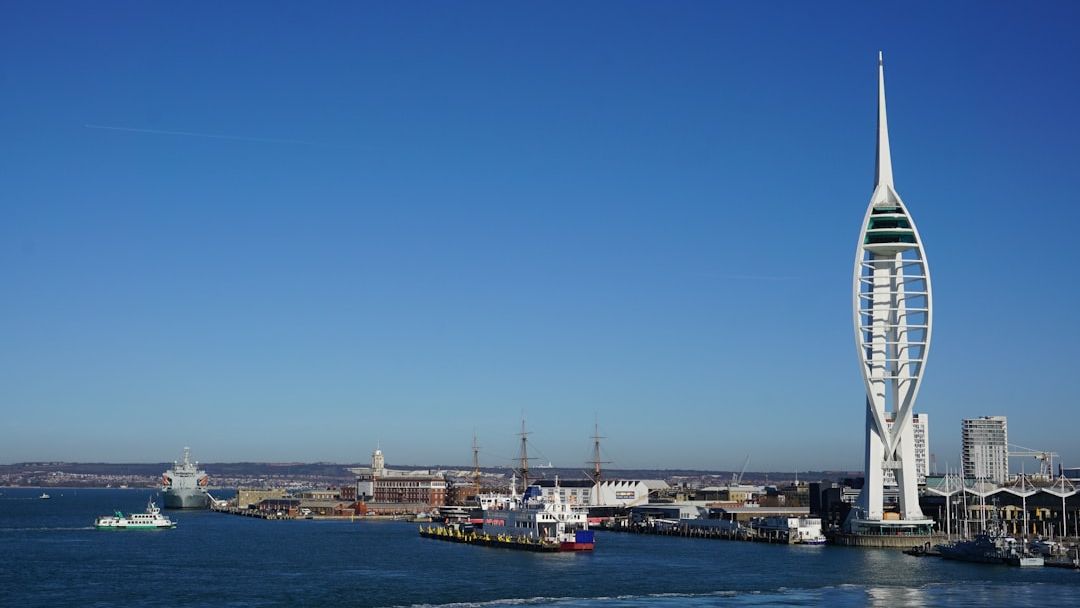
What Changed
Who It Affects
Brittany Ferries’ Guillaume de Normandie charged at Portsmouth before sailing to France, a milestone that could make cross-Channel trips quieter and cleaner.
Brittany Ferries has reached a notable milestone at Portsmouth after Guillaume de Normandie used plug-in electricity before sailing to France on 2026-08-04. The vessel spent around two hours connected to shore power, meaning essential onboard systems could be supported from the port’s electrical supply while the ship was alongside. For passengers, the immediate experience should feel familiar: check-in, boarding, cabins, vehicle loading, and border procedures continue as normal. The bigger change is environmental, as ports and ferry operators try to cut emissions and noise while ships are docked.
What Happened at Portsmouth
Guillaume de Normandie departed from Portsmouth for France after completing a two-hour charging period at the port. Shore power, sometimes called cold ironing, allows a ship to plug into electricity at berth rather than running onboard power systems entirely from engines while passengers, vehicles, freight, food supplies, and crew preparations are handled. This is especially relevant at busy ferry ports because ships may spend long periods alongside, and those hours can contribute to local emissions and engine noise. The event does not indicate a cancellation, strike, or passenger warning; it is a change in how a ferry is powered before departure.
Which Travellers Are Most Likely to Notice
The development matters most to travellers using Brittany Ferries services between Portsmouth and France, particularly those sailing to Normandy with cars, motorhomes, pets, bicycles, or onward touring plans. Families heading to campsites, second-home owners, freight-linked travellers, and holidaymakers avoiding airports may all benefit indirectly from cleaner port operations. However, passengers should not expect the shore-power process to change the essentials of their journey: they still need to arrive on time, carry the right documents, and follow ferry company instructions. If anything, the milestone is more likely to influence future travel choices than alter the practical steps required on the day.
Does Shore Power Change Boarding or Check-In?
No major passenger process changes have been reported as part of this first plug-in operation. Travellers should continue to use the check-in deadline printed on their booking confirmation, allowing extra time if travelling with a vehicle, trailer, caravan, pets, or mobility assistance needs. Portsmouth can be busy during peak holiday periods, and port access roads, security checks, and vehicle marshalling may still take time even when the vessel is using cleaner power at the berth. The safest approach is to treat the sailing like any other international ferry crossing while using live sailing updates to spot last-minute operational changes.
Practical tips
- Tip 1: Check your sailing status before leaving for Portsmouth, as port technology upgrades should not disrupt travel but ferry timings can still change because of weather, loading, or operational checks.
- Tip 2: Arrive within the check-in window shown on your Brittany Ferries booking, especially if travelling with a car, pet, caravan, or accessibility request, as boarding procedures remain the same even when a vessel uses shore power.
- Tip 3: If you are choosing a ferry for environmental reasons, compare vessel, route, and cabin options rather than assuming every sailing uses plug-in power; shore-power availability can depend on the ship and port infrastructure.
- Tip 4: Keep your passport, vehicle documents, pet paperwork, and booking reference easily accessible at Portsmouth, because the cleaner port operation does not change border or check-in requirements for France.
Mistakes to avoid
- ✕Mistake 1: Assuming shore power means faster boarding; it is an environmental and operational change, not a replacement for normal check-in, security, and loading procedures.
- ✕Mistake 2: Turning up late because the sailing is described as modern or cleaner; ferries can close check-in before departure and late arrivals may be refused boarding.
- ✕Mistake 3: Believing all Brittany Ferries routes now operate in the same way; plug-in capability depends on the vessel, port equipment, and scheduled operation.
- ✕Mistake 4: Forgetting France entry requirements; passengers still need valid travel documents, vehicle insurance evidence where relevant, and compliant pet documents if travelling with animals.
Quick checklist
- Confirm your Brittany Ferries sailing time before travelling to Portsmouth
- Check the correct check-in deadline for your passenger type and vehicle
- Prepare passports, booking reference, vehicle documents, and pet paperwork
- Verify onward driving, hotel, or rail plans after arrival in France
- Keep a backup plan for delays caused by weather or port operations


