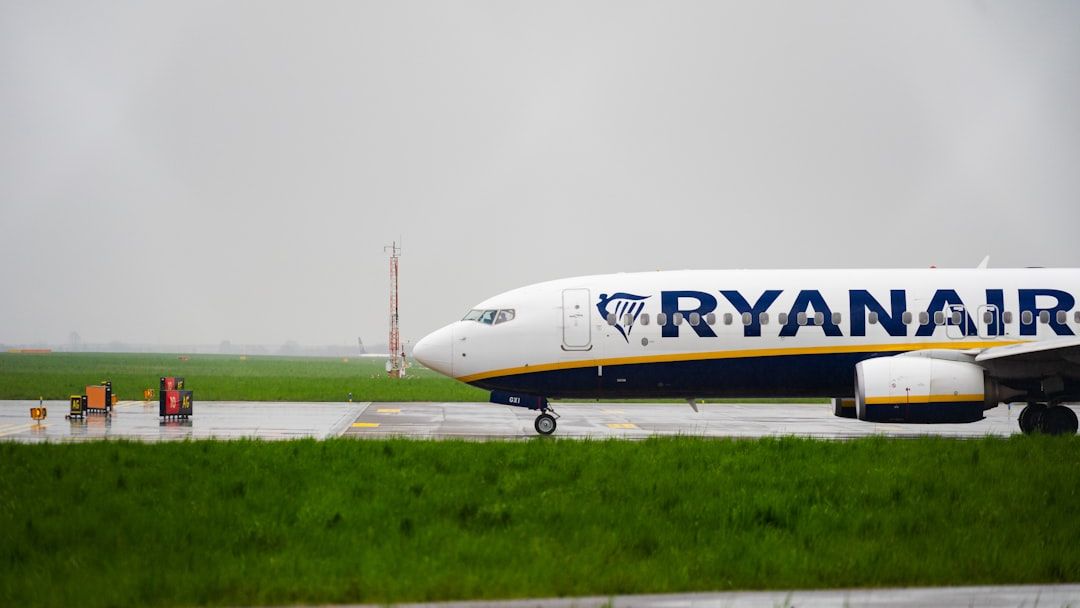
July report says a 61-year-old passenger was partly pulled toward a broken window after engine debris struck the aircraft
20 July 2026Source: The Independent TravelOriginally: "Ryanair insists planes are safe after passenger nearly sucked out of broken window"
What Changed
On 2026-07-20, The Independent Travel reported that Ryanair insisted its planes are safe after passenger Ljubisa Karović, 61, was partially sucked toward a broken aircraft window. The report said a piece of the aircraft’s engine struck the window, causing a serious in-flight emergency and prompting public concern about aircraft safety. The story affects travellers not because of a confirmed new network-wide disruption, but because it may influence passenger confidence, especially among those flying short-haul Ryanair routes across Europe. No broad flight cancellations, route suspensions, or airport closures were reported in the summary, so passengers should focus on checking their own flight status and understanding safety and compensation procedures rather than assuming widespread disruption.
Who It Affects
International travellers flying with Ryanair, especially nervous flyers, passengers seated near windows or over-wing areas, families travelling with children, older passengers, and anyone with upcoming short-haul European flights who wants to understand safety procedures, passenger rights, and what to do during or after a serious onboard incident.
Ryanair says its aircraft are safe after a reported broken-window incident raised fresh questions for nervous international flyers.
Ryanair has insisted its planes are safe after a report published on 2026-07-20 described a serious onboard incident involving a broken aircraft window. The report said Ljubisa Karović, 61, was partially sucked toward the opening after a piece of the aircraft’s engine struck the window. For travellers, the immediate issue is not a mass cancellation event but a safety-confidence concern: many passengers with upcoming flights will understandably want to know what to check, what rights they have, and what to do if something goes wrong mid-journey.
What Happened
According to the report, the incident involved engine debris striking a window and creating a dangerous cabin situation. Ryanair’s response, as reported, was to stress that its planes are safe, a message likely intended to reassure passengers with upcoming bookings. The story does not indicate a network-wide grounding, a Europe-wide operational failure, or a confirmed wave of cancellations linked to the incident. That means travellers should avoid panic but should take the opportunity to review basic safety habits and their rights if a flight is delayed, diverted, or cancelled.
Does This Mean Ryanair Flights Are Disrupted?
Based on the details provided, there is no indication that Ryanair’s schedule has been broadly disrupted because of this report. Passengers should therefore treat their booking as operating unless Ryanair, the departure airport, or the arrival airport confirms otherwise. The most practical step is to check the Ryanair app, email alerts, airport departure boards, and the airline’s help centre before setting off. If your flight is still listed as scheduled, arrive as normal and allow extra time for security, boarding, and any questions you may want to raise with airline staff.
Who Should Pay Closest Attention
This story is most relevant to international travellers with upcoming Ryanair flights, particularly those already anxious about flying. Families travelling with children may want to spend a few minutes explaining seatbelt use, oxygen masks, and staying calm during crew instructions. Older passengers or travellers with medical conditions should make sure medication, emergency contacts, and insurance documents are easy to access. Anyone connecting onward after a Ryanair flight should also keep a closer eye on flight status in case a safety-related inspection, aircraft swap, or delay affects their itinerary.
Practical tips
Tip 1: Keep your seatbelt fastened whenever seated, even when the sign is off, because sudden depressurisation, turbulence, or emergency manoeuvres can happen without warning.
Tip 2: Check your Ryanair flight status before leaving for the airport, but do not assume your flight is affected unless the airline or airport specifically says so.
Tip 3: Listen closely to the safety briefing and locate the nearest exits, oxygen mask position, and brace-position guidance as soon as you sit down.
Tip 4: If you are involved in an onboard incident, take medical help seriously, keep boarding passes and receipts, and request written confirmation from the airline or airport staff before leaving.
Mistakes to avoid
✕Mistake 1: Assuming every Ryanair aircraft is unsafe because of one reported incident; aircraft safety is regulated and individual events are investigated before wider conclusions are drawn.
✕Mistake 2: Removing your seatbelt during cruising just because the seatbelt sign is off; staying loosely buckled is one of the simplest ways to reduce injury risk.
✕Mistake 3: Posting dramatic claims online before confirming facts with the airline or authorities, as misinformation can affect claims, insurance discussions, and other passengers’ decisions.
✕Mistake 4: Leaving the airport after a serious disruption without collecting evidence, medical notes, delay confirmation, receipts, and contact details for airline handling staff.
Quick checklist
Check your Ryanair booking and flight status before travelling
Keep your seatbelt fastened whenever seated
Save boarding passes, receipts, and booking confirmations
Verify delay, diversion, or cancellation details with Ryanair directly
Have travel insurance and emergency contacts ready
The most important passenger-controlled safety habit is keeping your seatbelt fastened while seated, even when the sign has been switched off. Aircraft incidents can involve sudden movement, rapid changes in cabin pressure, or sharp crew instructions, and being buckled in reduces the risk of being thrown or pulled from position. Travellers should also avoid blocking foot space with large bags, as clear space helps in an emergency and prevents tripping during evacuation. When seated, identify your nearest exit in front and behind you, because visibility may be reduced if the cabin becomes chaotic.
What To Do If Your Flight Is Delayed Or Diverted
If a safety concern causes your flight to be delayed, cancelled, or diverted, start by asking airline staff for the reason in writing or by screenshotting official app messages. Keep receipts for meals, transport, accommodation, and essential calls, because these may support a claim for care or reimbursement. Under UK and EU-style air passenger rights, travellers may be entitled to assistance such as meals, communications, rerouting, or accommodation depending on the delay length and circumstances. Cash compensation is more complex and depends on the cause, route, delay duration, and whether the airline could reasonably have avoided the disruption.
If You Are Injured During A Flight
A serious onboard injury should be treated differently from a standard delay complaint. Seek medical attention immediately, report symptoms to cabin crew, and ask for the incident to be recorded before you leave the airport. Keep medical records, boarding documents, witness names, photographs of visible damage or injury if safe and appropriate, and all expense receipts. For international flights, injury-related claims may involve different legal frameworks from ordinary delay compensation, so passengers should contact their insurer and consider specialist advice where needed.
How To Talk To Nervous Flyers
Reports involving broken windows and engine debris can be frightening, especially because the imagery is dramatic and easy to imagine from a passenger seat. If you are travelling with someone nervous, focus on practical control points rather than sensational details: seatbelt use, listening to crew, knowing exits, and checking official updates. Avoid repeated doom-scrolling before a flight, as it can increase anxiety without improving safety. If anxiety is severe, consider booking seats together, arriving early to reduce stress, and using airline or airport assistance services where appropriate.
Before You Fly With Ryanair
Before leaving home, confirm that your Ryanair booking is active, your passport or identity document is valid for your route, and your boarding pass is saved offline. Check the departure airport’s live flight board as well as Ryanair’s own updates, because airport systems sometimes show gate or delay information before an email arrives. If you have a tight connection, consider whether you need a backup option, such as a later train, refundable hotel, or alternative onward flight. Travellers with insurance should read the policy wording before departure so they know what evidence is required if a claim becomes necessary.
The Bottom Line For Travellers
The report published on 2026-07-20 is alarming, but it does not by itself mean that every Ryanair flight is affected or that passengers should automatically cancel trips. The sensible response is to rely on official updates, practise good onboard safety habits, and keep documentation ready in case disruption occurs. Ryanair passengers should continue checking their own flight status rather than drawing conclusions from the wider headline alone. If your flight is disrupted or you are involved in an incident, act quickly: get assistance, preserve evidence, and use official airline, insurance, and aviation authority channels.
Tip 5: If the incident causes a major delay, cancellation, diversion, missed connection, or injury, document the timeline and contact Ryanair, your insurer, and the relevant aviation authority for next steps.