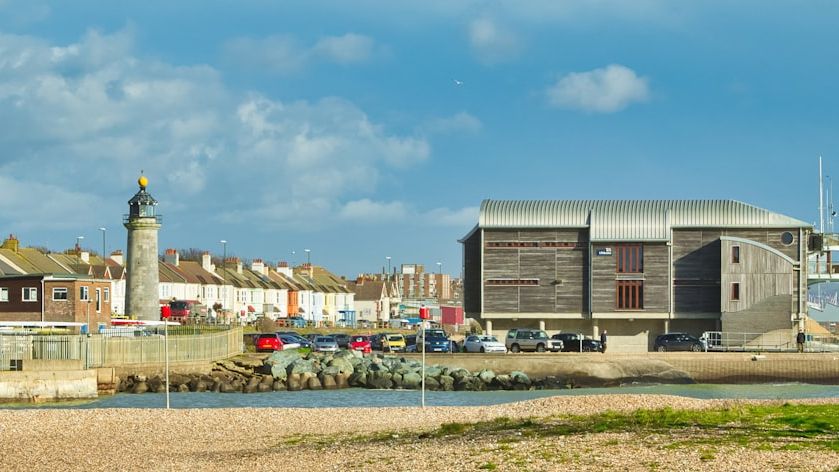
August trials will test a 12-person catamaran link between Shoreham, West Sussex, and Fécamp in Normandy.
7 August 2026Source: The Independent TravelOriginally: "New wind-powered UK to France ferry service to begin trial runs"
What Changed
A new wind-powered ferry service is due to begin trial runs between Shoreham in West Sussex and Fécamp in Normandy, according to details reported on 7 August 2026. The service will use a 12-person catamaran, making it a very small-capacity cross-Channel option rather than a mass-market ferry route. The route connects England’s south coast with Normandy and is aimed at travellers interested in lower-emission sea travel, though trial operations mean schedules, fares and booking rules may be limited or subject to change. Because this is a trial phase, passengers should treat the service as experimental and build in flexibility around weather, onward transport and accommodation.
Who It Affects
International travellers planning UK-France trips via the south coast, especially foot passengers, eco-conscious travellers, cyclists or light-packers looking at Shoreham-to-Normandy options rather than conventional ferry routes from Dover, Portsmouth, Newhaven or Poole.
A new 12-passenger wind-powered catamaran is set to trial UK-France crossings between Shoreham and Fécamp, offering a small-scale alternative to conventional ferries.
A new wind-powered ferry link between the UK and France is set to begin trial runs, opening a small but eye-catching alternative for Channel crossings. Reported on 7 August 2026, the service will use a 12-person catamaran between Shoreham in West Sussex and Fécamp in Normandy. For travellers, the key point is scale: this is not a conventional ferry launch with hundreds of seats, vehicle decks and frequent daily departures. It is a trial service, so anyone considering it should plan carefully, confirm details directly and avoid relying on it for time-critical journeys.
What Is Changing
The planned trial creates a direct sea connection between Shoreham, on England’s south coast, and Fécamp, a historic port town on the Normandy coast. The vessel is described as a 12-person catamaran powered by wind, positioning the route as a lower-emission alternative to traditional diesel ferry services. Because the service is entering trials rather than full scheduled operation, travellers should expect limited capacity, potentially restricted booking windows and possible changes as the route is tested. The crossing may appeal most to adventurous foot passengers, slow-travel enthusiasts and visitors combining coastal England with northern France.
Why This Route Matters
Most UK-France ferry traffic is concentrated on larger commercial routes such as Dover-Calais, Newhaven-Dieppe and Portsmouth-Normandy services. A Shoreham-to-Fécamp link would offer a more niche south coast crossing, particularly useful for travellers starting in Sussex or heading specifically to Normandy rather than Paris or northern Hauts-de-France. Fécamp provides access to the Alabaster Coast, Étretat, Le Havre and wider Normandy itineraries, while Shoreham is relatively close to Brighton, Worthing and other West Sussex towns. However, the small vessel size means this should be viewed as a boutique travel option rather than a major new transport corridor.
Who Should Consider It
This trial is best suited to flexible travellers who can adapt if schedules change. Eco-conscious visitors, cyclists with confirmed bike arrangements, backpackers and people planning slow-travel itineraries may find the concept especially attractive. It could also interest international travellers already staying in Brighton or West Sussex who want a more unusual way to reach Normandy. It is less suitable for families carrying heavy luggage, travellers with mobility needs unless accessibility is confirmed, or anyone with same-day onward trains, flights or hotel check-ins that cannot be moved.
Practical tips
Tip 1: Treat the trial as a flexible travel option, not a guaranteed replacement for a major ferry route; a 12-person vessel means very limited availability and a higher chance of sold-out crossings.
Tip 2: Check departure details directly with the operator or port before travelling to Shoreham, as trial sailings may change at short notice because of weather, sea conditions or operational testing.
Tip 3: Pack as a foot passenger and keep luggage minimal, because a small catamaran is unlikely to offer the same baggage space, vehicle access or onboard facilities as a conventional ferry.
Tip 4: Plan onward transport from Fécamp in advance, including local buses, taxis or rail connections, as small trial services may not be timed around major public transport schedules.
Mistakes to avoid
✕Mistake 1: Assuming it works like a standard car ferry; this is a 12-person catamaran trial, so vehicle carriage, large luggage and walk-up availability should not be assumed.
✕Mistake 2: Booking tight onward connections in Normandy; wind-powered or small-vessel crossings can be more exposed to weather disruption than large conventional ferries.
✕Mistake 3: Travelling to Shoreham without confirming the sailing; trial services can be revised, postponed or cancelled during testing, leaving passengers needing last-minute alternatives.
✕Mistake 4: Forgetting passport and entry requirements; even on a small low-carbon ferry, UK-France travel remains an international border crossing.
Quick checklist
Confirm the sailing time and boarding location before leaving home
Check passport validity and France entry requirements
Pack light and verify baggage limits before booking
Plan transport to Shoreham and onward from Fécamp
Have a backup ferry, rail or Eurotunnel option ready
Before booking or travelling to the port, confirm whether the sailing is open to the public, whether it is invitation-only during trials, and what identification is required at boarding. Ask about baggage limits, minimum passenger age, bike carriage, weather cancellation policies and the exact check-in point at Shoreham. Small-vessel boarding can differ significantly from mainstream ferry terminals, so do not assume there will be large waiting areas, food outlets, luggage handling or late check-in flexibility. If the operator publishes trial terms, read them closely before paying, especially around refunds and rescheduling.
Passports, Borders And Entry Rules
Even though this is a small wind-powered vessel, it is still an international journey between the UK and France. Travellers should carry a valid passport and check France entry requirements before departure, particularly if they are non-UK or non-EU nationals. Border formalities may differ from large ferry terminals, so passengers should follow the operator’s instructions on when and where documents will be checked. If you are travelling with children, make sure each passenger has the correct travel document and any supporting paperwork required for cross-border travel.
Weather And Reliability Considerations
A wind-powered catamaran crossing is likely to be more sensitive to weather and sea conditions than a large conventional ferry. Trial runs may be paused or altered if winds, tides or operational testing requirements make a crossing unsuitable. That does not necessarily mean the service is unsafe; it means the operator may need to be more selective about sailing windows. Travellers should monitor forecasts, keep phones charged and avoid making non-refundable onward plans immediately after arrival.
How To Build A Backup Plan
If your trip depends on reaching France on a specific day, identify a backup crossing before you set off. From the south of England, alternatives may include Newhaven to Dieppe, Dover to Calais, Portsmouth to Caen or other Normandy ferry routes, depending on availability and where you need to end up. Rail travellers can also compare Eurostar via London, while drivers may consider Eurotunnel if they are travelling with a vehicle. Keep in mind that switching routes at short notice can add transport costs, so allow time and budget for a contingency.
Arrival In Fécamp
Fécamp is a coastal Normandy town rather than a major international transport hub, so onward planning is essential. Check local bus, taxi and rail options before you travel, particularly if arriving outside peak daytime hours. If your final destination is Étretat, Le Havre, Rouen or Paris, work out the full connection chain rather than assuming onward links will be waiting at the port. Consider booking accommodation in or near Fécamp for the first night if the trial timetable is uncertain or arrival times are late.
Passenger Rights And Refunds
Passenger rights for sea travel differ from air passenger compensation rules, so do not assume EU261-style flight compensation applies. If a sailing is cancelled or delayed, your options will depend on the operator’s terms, applicable maritime passenger rules and whether the crossing is part of a public trial. Keep booking confirmations, receipts and cancellation messages in writing, as these will help if you need to claim a refund or rearrangement. Travel insurance may help with knock-on costs, but policies vary, so check whether small-vessel ferry disruption is covered.
Bottom Line For Travellers
The Shoreham-to-Fécamp wind-powered ferry trial is an exciting development for low-emission cross-Channel travel, but it should be approached with realistic expectations. With only 12 passenger spaces, the service will be capacity-limited and potentially more weather-dependent than mainstream ferries. It is best for flexible travellers who value the journey itself and can adapt if the trial timetable changes. If you need certainty, use this as a memorable option only after confirming every detail and keeping a conventional ferry or rail alternative ready.
Tip 5: Keep a backup Channel crossing ready, such as Newhaven-Dieppe, Dover-Calais, Portsmouth-Caen or Eurotunnel, especially if you have fixed hotel, rail or flight connections in France.