Train Delays Trigger Refund Rights
Passengers delayed 60 minutes can reclaim up to 100% on many UK rail tickets, but Grand Central and Eurostar rules can pay less.
What Changed
Who It Affects
Rail passengers may be owed refunds or compensation when trains are cancelled or delayed, but payouts vary sharply by operator and ticket type.
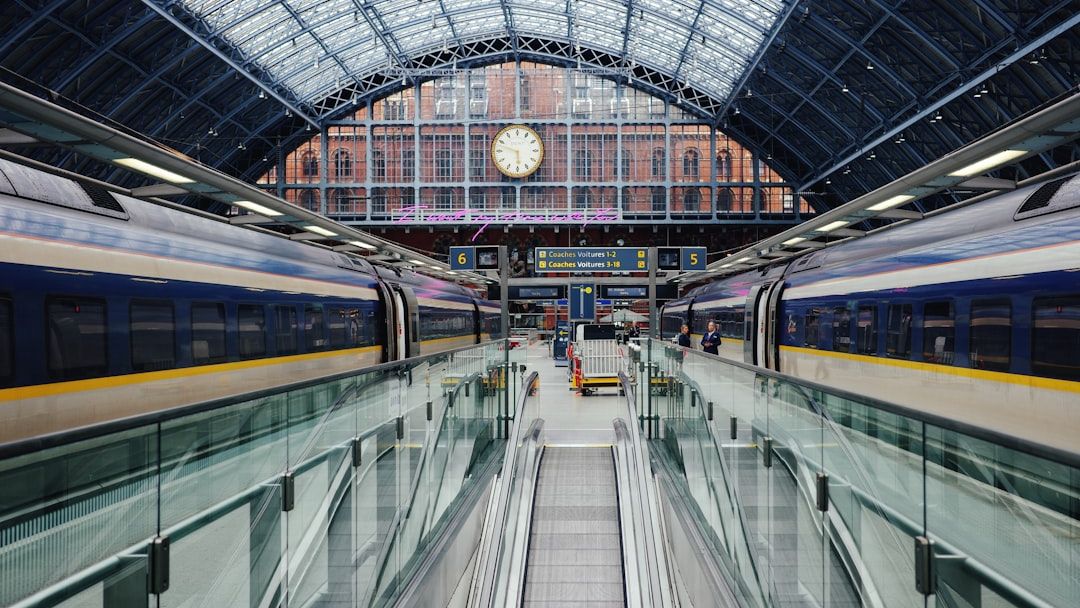
Rail passengers facing cancellations or delays should check their refund rights carefully, because the amount owed can vary widely by operator. On 2026-08-06, The Independent Travel highlighted that many rail firms will pay substantial compensation for a delay of one hour, while Grand Central and Eurostar can be less generous under their own schemes. The practical difference matters most for international travellers, who may be linking a UK rail journey with Eurostar, an airport departure or a time-critical hotel check-in. The first decision is simple but important: are you abandoning the journey because the train is cancelled, or are you travelling anyway and claiming for arriving late?
Refunds and Compensation Are Not the Same
If your train is cancelled and you choose not to travel, you should usually seek a refund for the unused ticket from the company or retailer that sold it to you. This is different from delay compensation, which applies when you travel and arrive at your destination later than scheduled. If disruption makes your journey pointless, for example you miss the event, meeting or onward connection you were travelling for, you may be able to abandon the trip and claim the fare back instead of continuing. Do not automatically submit a Delay Repay claim if you did not travel, because that can send your request to the wrong process and slow down payment.
How UK Delay Repay Usually Works
Most UK train operators use some form of Delay Repay, which compensates passengers according to how late they arrive at their final station. The exact thresholds vary, but many operators pay compensation from delays of 15 or 30 minutes, with larger payouts once the delay reaches 60 minutes. For many services, a delay of 60 minutes can mean compensation worth up to the full single fare, although return tickets are often calculated by treating each direction as a separate leg. Season ticket holders can also claim, but compensation is normally based on a daily calculated value rather than the headline cost of the whole pass.
Grand Central and Eurostar Need Extra Care
Grand Central and Eurostar are the two operators travellers should check especially closely, because their compensation structures may not mirror the most generous Delay Repay examples. Grand Central passengers should look at the company’s passenger charter and claim process before assuming a one-hour delay will produce the same payout as another UK operator. Eurostar passengers are covered by international rail rules and Eurostar’s own compensation policy, which can involve vouchers, cash refunds or rebooking options depending on whether the train is delayed or cancelled. For international visitors, the safest approach is to read the operator policy before departure and keep all booking references in one place.
Practical tips
- Tip 1: If your train is cancelled and you decide not to travel, request a full refund from the original retailer rather than making a delay compensation claim.
- Tip 2: If you still travel and arrive late, claim compensation from the train operator that caused the delay, using your ticket, booking reference and arrival time as evidence.
- Tip 3: Check the operator’s own compensation table before assuming you will get 100%, as Grand Central and Eurostar do not always match standard Delay Repay payouts.
- Tip 4: Keep screenshots of disruption alerts, platform boards and live journey planners, especially if you are connecting to Eurostar, a flight or another long-distance train.
Mistakes to avoid
- ✕Mistake 1: Claiming from the ticket retailer when you completed the journey late; delay compensation normally goes through the train operator, not the seller.
- ✕Mistake 2: Throwing away paper tickets or deleting mobile tickets, because you usually need proof of purchase and the exact service details to claim.
- ✕Mistake 3: Assuming a one-hour delay always means a full return-ticket refund, when some schemes only refund the affected leg or use lower percentages.
- ✕Mistake 4: Waiting too long to submit the claim, as many UK train operators require Delay Repay claims within a set window, often around 28 days.
Quick checklist
- Confirm whether your train is cancelled or just delayed
- Decide whether to abandon the journey or still travel
- Save your ticket, booking reference and disruption evidence
- Check the exact operator compensation policy
- Keep a backup plan for flights, Eurostar or hotel check-ins


