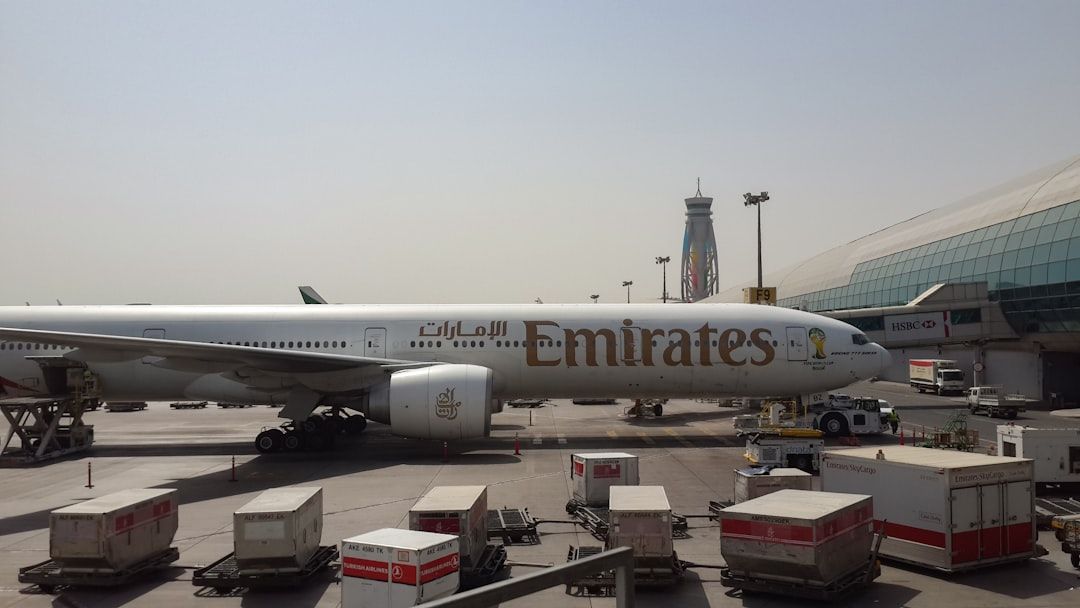
July advisories rise as Gulf flights continue, with some regional delays and hotel security concerns
25 July 2026Source: eTurboNewsOriginally: "UAE Airports Stay Open as Gulf Travel Advisories Rise and Hotel Security Warning Emerges"
What Changed
On 2026-07-25, travel to and through the UAE remained largely uninterrupted despite heightened regional tensions across the Gulf. UAE airports continued normal operations, but some regional flights were reported to be delayed or cancelled, particularly where airlines adjusted schedules in response to security assessments or airspace conditions. Governments updated travel advisories for the region, urging travellers to monitor official information and follow local instructions. Unverified claims that some hotels and resorts could become potential targets also increased security concerns, although travellers should rely on official government, airport, airline, and hotel communications rather than social media speculation.
Who It Affects
International travellers flying to, from, or through the UAE, especially passengers connecting via Dubai, Abu Dhabi, or other Gulf hubs; business travellers with tight onward connections; families staying in hotels or resorts; cruise passengers using UAE ports; and travellers transiting onward to destinations elsewhere in the Middle East, Asia, Africa, Europe, or Australia.
UAE airports are operating normally, but Gulf travel advisories, regional flight disruption, and hotel security concerns mean travellers should check updates before departure.
UAE airports remained open and operating on 2026-07-25, even as travel advisories across the Gulf increased and some regional flights faced delays or cancellations. For most international travellers, the immediate message is not that UAE travel has stopped, but that itineraries now need closer monitoring than usual. Passengers flying through major hubs such as Dubai and Abu Dhabi should expect normal terminal operations while still allowing for sudden airline schedule changes. The most important practical step is to verify your exact flight, hotel, and transfer arrangements before departure rather than relying on general airport status updates.
What Happened
The situation reported on 2026-07-25 is a mixed picture: the UAE’s airports are open, but the wider Gulf region is facing heightened security attention. Governments have updated travel advisories, and airlines operating regional routes may adjust schedules if risk assessments, airspace restrictions, or operational concerns change. The article also notes unverified claims warning that some hotels and resorts could become potential targets, which has added to traveller anxiety. Because those claims are unverified, travellers should treat them cautiously and rely on official security notices, hotel communications, and government advice.
Are UAE Airports Still Operating?
Yes, based on the information available on 2026-07-25, UAE airports continue to operate normally. That means terminals, check-in desks, immigration facilities, baggage services, and onward connections are generally functioning. However, an airport being open does not guarantee that every flight will depart on time, especially on regional routes affected by changing airline decisions. Travellers should separate airport status from flight status: the terminal may be open while a specific departure is delayed, cancelled, retimed, or rerouted.
Who Should Be Most Alert
The travellers most exposed to disruption are those using the UAE as a connection point rather than a final destination. A passenger flying from Europe to Asia via Dubai, for example, may find the long-haul sector operating normally while a regional onward sector changes. Business travellers with meetings shortly after arrival should add buffer time, and families should avoid relying on very short transfers. Cruise passengers, package holidaymakers, and travellers moving between multiple Gulf countries should also monitor advice for every country on their itinerary, not just the UAE.
Practical tips
Tip 1: Check your flight status directly with your airline and departure airport before leaving for the airport, then check again at least once more before boarding if you are connecting through the Gulf.
Tip 2: Review your government’s official UAE and regional travel advice, especially if your itinerary includes multiple Gulf countries or onward travel through neighbouring airspace.
Tip 3: Contact your hotel or resort before arrival to confirm current security procedures, entrance arrangements, transport pickup points, and whether any areas of the property are restricted.
Tip 4: Build extra time into connections through Dubai, Abu Dhabi, or other Gulf hubs because regional schedule changes can affect onward legs even when the airport itself is operating normally.
Mistakes to avoid
✕Mistake 1: Assuming normal airport operations mean there is no disruption; individual flights can still be delayed, rerouted, or cancelled even when terminals remain open.
✕Mistake 2: Relying on unverified social media posts about hotel or resort threats; use official hotel, government, airline, and airport sources before changing plans.
✕Mistake 3: Booking tight connections through Gulf hubs during a period of heightened advisories; missed onward flights may become expensive if your ticket is not protected.
✕Mistake 4: Travelling without checking insurance exclusions; some policies limit cover for disruption linked to security incidents, civil unrest, or government advisories.
Quick checklist
Check airline flight status before leaving for the airport
Read official travel advice for the UAE and any connecting country
Confirm hotel security and airport transfer arrangements
Verify travel insurance cover for delays, cancellations, and security-related disruption
Have backup accommodation, funds, and alternative routing options ready
Some regional flights are facing delays and cancellations, although the story does not indicate a shutdown of UAE air travel. The practical risk is that disruption may be uneven: one airline, route, or departure time may be affected while another continues as scheduled. Passengers should check the airline’s app, airport flight boards, email notifications, and SMS alerts, because airlines often update passengers directly before public systems catch up. If your journey is on a single ticket, ask the airline about protected rebooking options; if you booked separate tickets, you carry more risk if one delay causes you to miss the next flight.
Hotel and Resort Security Concerns
The report refers to unverified claims warning that some hotels and resorts could become potential targets, which should be handled carefully. Travellers should not ignore security concerns, but they should also avoid making major decisions based only on anonymous posts, forwarded messages, or unsourced online claims. Before arrival, contact your hotel to ask about current entrance screening, vehicle access, visitor policies, taxi or transfer pickup points, and whether any public events have been changed. On site, follow staff instructions, avoid restricted areas, keep identification with you, and report unattended items or suspicious activity to hotel security rather than investigating yourself.
Travel Advisories and Insurance
Government travel advisories matter because they can affect insurance cover, employer travel approval, package holiday rights, and consular support expectations. Travellers should read the official advice for the UAE and for any country they will transit through or visit before and after the UAE. Insurance policies vary widely, so check whether you are covered for flight disruption, missed connections, cancellation, curtailment, and security-related events. If official advice changes after you book, contact your insurer and travel provider before cancelling, because cancelling voluntarily without the right policy wording may limit your ability to claim.
What To Do Before You Fly
Before leaving for the airport, confirm that your flight is operating and that your onward connection still gives you enough time. Download your airline’s app, enable notifications, and save offline copies of your boarding passes, hotel booking, insurance certificate, and passport page. If you are travelling with children, elderly relatives, or medical equipment, carry essentials in hand luggage in case a delay leaves you in transit longer than expected. It is also sensible to keep a charged power bank, local emergency numbers, and enough funds for meals, transport, or an unexpected hotel night.
If Your Flight Is Disrupted
If your flight is delayed or cancelled, go directly to the airline’s official customer service channels rather than relying only on airport queues. Ask whether the airline can rebook you on the next available service, reroute you via another hub, or provide accommodation if the delay requires an overnight stay. Keep receipts for necessary expenses, but do not assume every cost will be reimbursed, especially if disruption is linked to security conditions outside the airline’s control. Passengers departing from or arriving into certain jurisdictions may have specific rights, so check the rules that apply to your ticket and route.
Bottom Line for UAE Travel
The key takeaway on 2026-07-25 is that travel to and through the UAE is continuing, but travellers should treat the situation as fluid. The safest approach is not to panic, but to verify everything: flights, advisories, hotel security, transfers, and insurance cover. If your trip is essential, build in extra time and keep backup options ready; if it is flexible, consider whether a later departure would reduce stress. Above all, use official sources and direct provider updates, because conditions can change quickly and unverified claims can spread faster than reliable information.
Tip 5: Keep a backup plan ready, including a refundable hotel night, flexible onward transport, travel insurance details, and alternative routing options if your regional flight is cancelled.