UK ATC Issue Disrupts Flights
September technical fault hit departures at 2 major London airports—Heathrow and Gatwick—plus other UK hubs, delaying international travellers.
What Changed
Who It Affects
A UK air traffic control technical issue disrupted departing flights at Heathrow, Gatwick and other hubs, with international travellers facing delays.
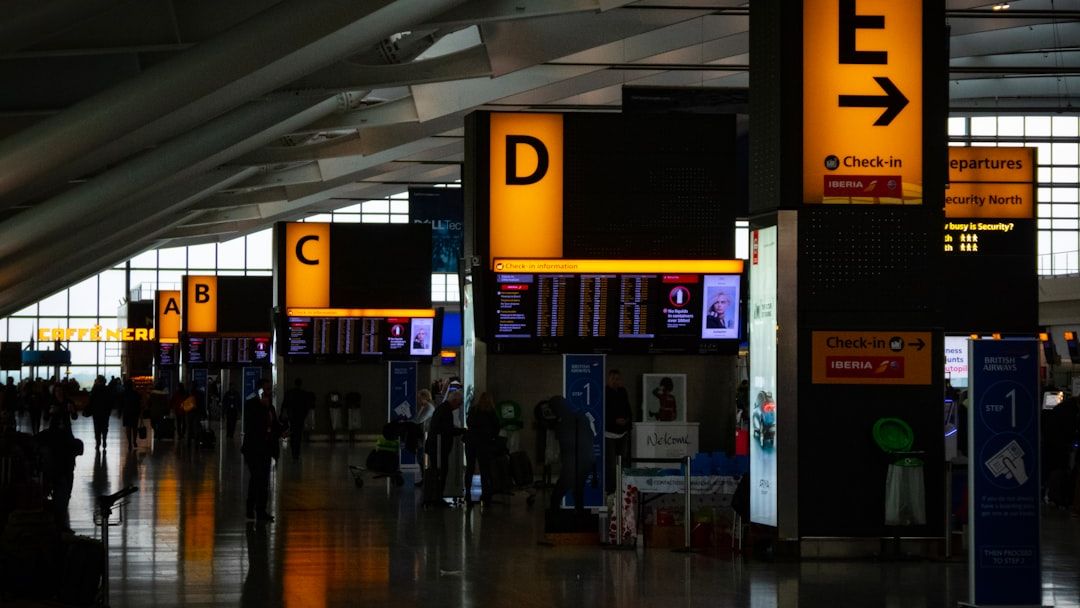
A technical issue affecting UK air traffic control services disrupted departing flights at major airports on 2026-09-08, with Heathrow and Gatwick among the hubs affected. The disruption created delays for international travellers, particularly those flying long-haul or connecting through busy overseas airports. Because air traffic control restrictions can affect aircraft sequencing, take-off slots and onward aircraft positioning, disruption may continue to ripple through schedules even after systems begin returning to normal.
What Happened
The problem involved UK air traffic control services rather than a single airline, terminal or route. That matters because air traffic control issues can affect multiple carriers at the same time, including British, European, North American, Middle Eastern and Asian airlines operating from UK airports. Departing flights were the main concern reported, meaning passengers may have seen aircraft held at gates, delayed boarding calls, revised departure boards or longer waits after pushback.
Airports and Travellers Most Exposed
Heathrow and Gatwick were specifically named among the affected airports, making the disruption especially important for international travellers using London as a departure point or connection hub. Heathrow carries a high volume of long-haul and connecting traffic, so delays there can quickly affect onward journeys to North America, the Gulf, Asia and Europe. Gatwick passengers may also face complications because many routes operate less frequently than Heathrow services, making same-day alternatives harder to secure on some leisure and long-haul routes.
What To Do Before Leaving Home
Before travelling to the airport, check your airline’s app, website and booking email rather than relying only on general airport departure boards. Airlines control rebooking, baggage rules, check-in deadlines and passenger notifications, so their information is the most practical source for your next step. If your flight still shows as operating, travel to the airport as instructed, but prepare for longer waits and keep essential items in your hand luggage.
At the Airport: How To Reduce Stress
Practical tips
- Tip 1: Check your flight directly with your airline before leaving for the airport, even if the airport website still shows the flight as scheduled. Airline systems are usually the fastest source for gate changes, revised departure times, rebooking options and cancellation notices.
- Tip 2: If you are flying from Heathrow or Gatwick, allow extra time for check-in, bag drop and security, but do not arrive excessively early unless your airline confirms it can accept you. Terminals can become crowded during air traffic disruption, and airlines may not open desks earlier than normal.
- Tip 3: Protect onward plans by contacting hotels, car hire companies, cruise operators or connecting transport providers as soon as your flight is delayed. Ask them to note the disruption on your booking and confirm late-arrival procedures in writing.
- Tip 4: Keep receipts for meals, drinks, phone charges and essential expenses if you are delayed at the airport. Even when cash compensation is not payable, airlines may still owe duty-of-care support depending on the length of delay and the circumstances.
Mistakes to avoid
- ✕Mistake 1: Assuming your flight is unaffected because it is not operated by a UK airline. Any aircraft departing from a disrupted UK airport or using constrained UK airspace can be delayed, regardless of the carrier.
- ✕Mistake 2: Leaving the airport without written confirmation from the airline. If your flight is delayed rather than cancelled and you miss boarding, you may be treated as a no-show and lose rebooking rights.
- ✕Mistake 3: Booking a separate replacement flight too quickly. If you buy your own ticket before the airline offers rerouting, you may struggle to recover the cost unless the airline explicitly authorises it.
- ✕Mistake 4: Ignoring travel insurance notification rules. Some policies require you to contact the insurer or obtain proof of delay from the airline before claiming for missed connections, hotels or alternative transport.
Quick checklist
- Check airline app, email and SMS alerts before travelling
- Confirm Heathrow or Gatwick terminal and revised departure time
- Save boarding pass, booking reference and airline disruption messages
- Verify onward connections, hotel arrival windows and transfer bookings
- Have snacks, chargers, medication and a backup route ready


