Navigating Visa Requirements
A guide to understanding and obtaining visas for international travel.
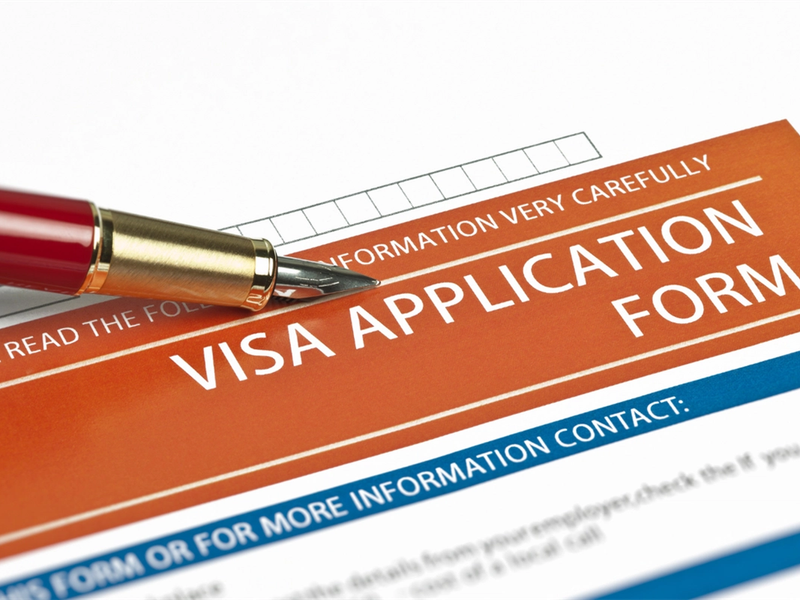
Visa requirements can be confusing and stressful, but understanding the basics makes international travel much smoother. Whether you need a visa in advance, can get one on arrival, or can enter visa-free depends on your passport and destination.
This guide covers everything you need to know about navigating visa requirements, from understanding different visa types to avoiding common mistakes that could derail your trip.
Understanding Visa Types
Tourist visas are the most common for travelers. They typically allow stays of 30-90 days and prohibit working. Some countries offer visa-free entry or visa-on-arrival for certain passport holders, while others require advance applications.
E-visas have become increasingly popular—you apply online and receive approval via email. This is much easier than visiting an embassy. Countries like India, Turkey, and Australia offer e-visas for many nationalities.
How to Check Visa Requirements
Always check the official government website of your destination country for the most accurate information. Websites like iVisa and VisaHQ provide helpful overviews, but verify with official sources. Your country's foreign affairs department also publishes travel advisories with visa information.
Remember that requirements can change without notice. Check again a few weeks before your trip, even if you checked months ago. Also verify requirements for any countries you'll transit through—some require transit visas even for short layovers.
Applying for a Visa
Apply well in advance—at least 4-6 weeks before travel for most visas. Gather all required documents: passport with sufficient validity (usually 6 months beyond your travel dates), passport photos, proof of accommodation, return flight tickets, and sometimes proof of funds or travel insurance.
For visa applications requiring flight bookings, use airlines with flexible cancellation policies or booking services that provide confirmations for visa purposes. Never book non-refundable flights before your visa is approved.
Common Visa Mistakes to Avoid
Don't assume visa-free means unlimited stay—most visa-free entries have strict time limits. Overstaying can result in fines, detention, or future entry bans. Keep track of your allowed days and plan accordingly.