Europe · Italy4.3
Pitigliano, Italy
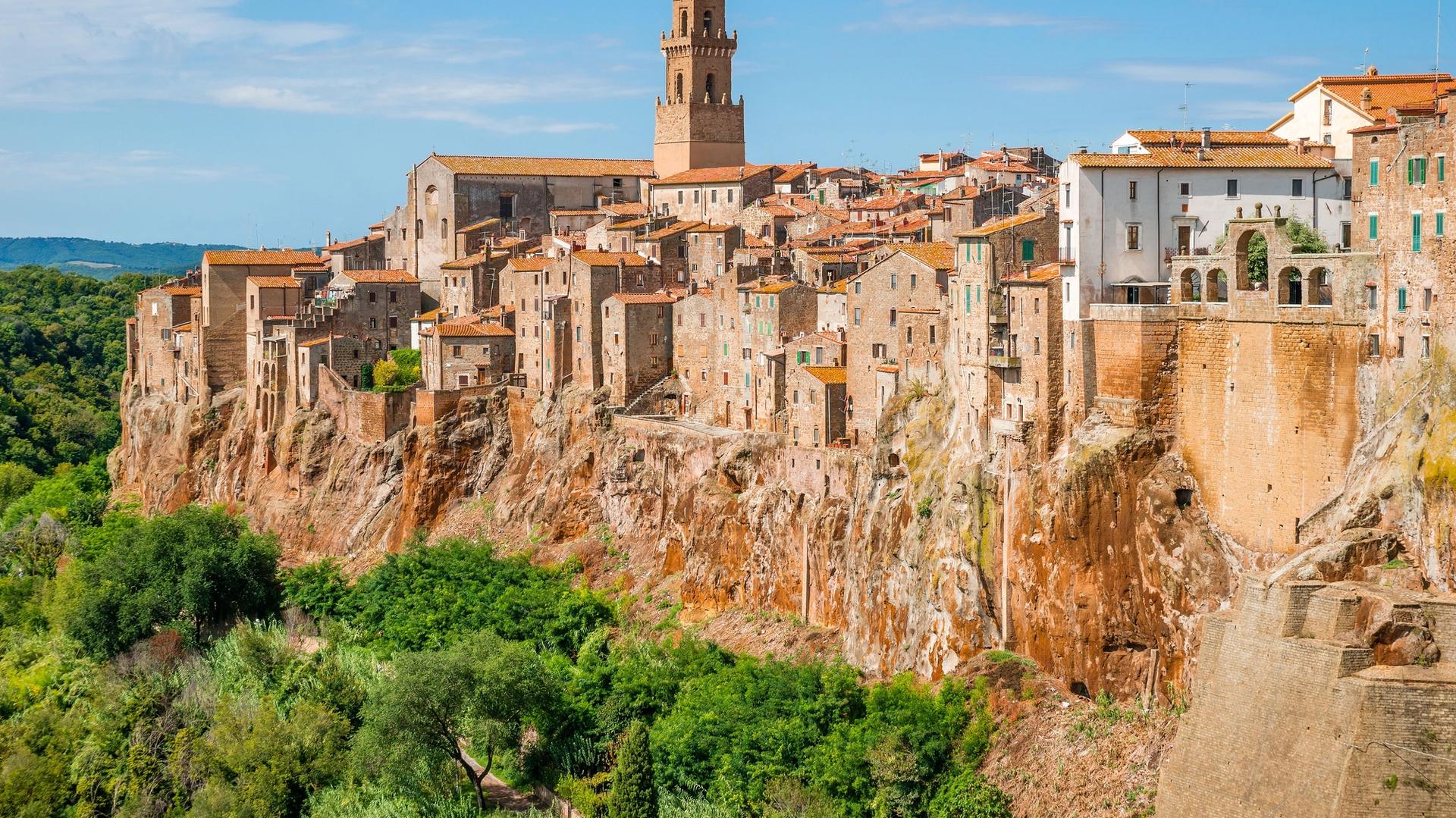
A dramatic hilltop town in southern Tuscany, Pitigliano is famed for its tufo cliffs, Etruscan roads and Jewish heritage, earning it the name ‘Little Jerusalem’.
A dramatic hilltop town in southern Tuscany, Pitigliano is famed for its tufo cliffs, Etruscan roads and Jewish heritage, earning it the name ‘Little Jerusalem’.
Best time
Apr – Oct
Budget
$$ — Affordable
Visa
Visa-free for EU/UK/US/Canada/Au…
Currency
Euro (€)
Language
Italian
The 60-second guide
Pitigliano rises dramatically from a cliff of volcanic tufa stone in the Maremma region of southern Tuscany, its honey-colored buildings seemingly growing out of the rock itself. Seen from the valley below at sunset, it's one of the most photographed hill towns in Italy — a skyline of medieval towers, aqueduct arches, and stacked houses glowing against the dusk.
The town's nickname, 'Little Jerusalem' (Piccola Gerusalemme), comes from a Jewish community that settled here in the 16th century after fleeing persecution elsewhere in Italy, eventually making up a fifth of the population. Their legacy survives in a beautifully restored synagogue, a kosher wine cellar, an unleavened bread bakery, and a preserved ghetto quarter that visitors can walk through today.
Fit check
History and culture lovers
Layers of Etruscan, Jewish, and Renaissance history packed into one small town
Couples seeking a romantic getaway
Dramatic scenery, quiet streets, and candlelit trattorias
Photographers
The cliffside skyline is one of the most photogenic sights in Tuscany
Logistics
Practical
Like a local
Cars cannot enter the historic center. Use the paid car parks near Porta di Sopra and walk in — it is only a few minutes to the main square.
The classic photo spot along the Sorano road fills up in high season; arrive early or try alternate angles from the Sovana road.
Most trattorias only serve lunch (12:30-2:30pm) and dinner (7:30-10pm), with no food service in between, typical of small-town Tuscany.
These two nearby tufa towns are each under 15 minutes by car and make an easy half-day loop with Pitigliano.
Not sure yet?
Compare Pitigliano, Italy with other destinations
Photos
Sleep
Best for sightseeing, restaurants, and views; walkable but steep
Best for history-focused stays close to the synagogue and museum
Best for agriturismo stays, vineyards, and a quieter pace
See & do
A commanding medieval-Renaissance fortress overlooking the town, now housing a civic museum and archaeological collection.
A beautifully preserved 16th-century Jewish quarter including a restored synagogue, ritual bath, kosher wine cellar, and unleavened bread bakery.
When to go
Weather unavailable
Best time to visit
April to June and September to October, when the weather is mild and the countryside is green or golden
Climate
Mediterranean
Summer avg
28°C
Winter avg
8°C
Rainy season
October to December
Humidity
Moderate
Monthly averages
Weather Tips
Know what to pack
AI-powered packing list for Pitigliano, Italy
Try this
Orientation
Answers
In the 16th century, Jewish families fleeing persecution elsewhere in Italy settled in Pitigliano under the protection of the Orsini family. The community grew to make up around a fifth of the town's population and built a synagogue, kosher winery, and bakery, earning Pitigliano the nickname "Piccola Gerusalemme" (Little Jerusalem).
It is possible but slow. You can take a train to Grosseto or Orbetello and connect via infrequent regional buses. A rental car from Rome or Pisa is by far the easiest and most flexible option given the town's rural location.
Yes, the historic center can be explored in half a day, but staying one or two nights lets you see the town lit up at night, enjoy a relaxed dinner, and take day trips to the nearby tufa towns of Sovana and Sorano.
The verdict
Get personalized tips and recommendations from our AI travel assistant
Keep exploring
 europe5.0
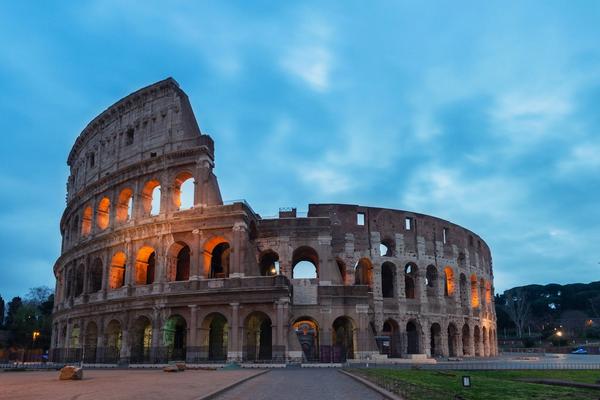
The Eternal City where ancient history meets vibrant Italian culture, world-renowned cuisine, and timeless art.
 europe4.7
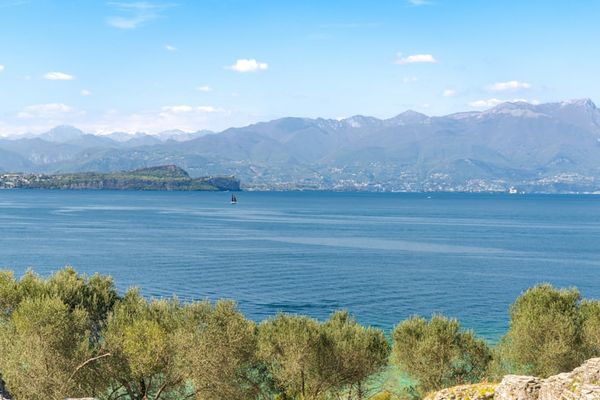
Discover Italy's largest lake, a haven of natural beauty, history, and culture.
 europe4.6
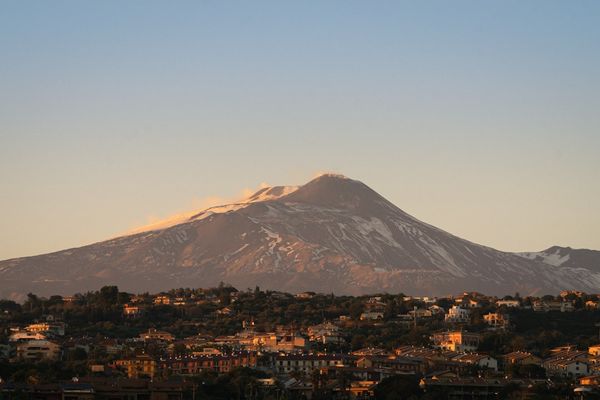
Catania blends vibrant history and stunning landscapes on Sicily's eastern coast.
Wine and food travelers
Home of the Bianco di Pitigliano wine region and authentic Maremma cuisine
Nightlife seekers
The town is quiet after dinner with very limited bars or nightlife
Travelers needing full accessibility
Steep, uneven cobblestone streets throughout the historic center
Those without a rental car
Public transport to and around the town is very limited
Strongly recommended — Pitigliano has no train station and limited bus service
1.5-2.5 hours
€40-70/day
Take a train to Grosseto or Orbetello, then a regional bus; buses are infrequent
3-4 hours
€20-35
Convenient for groups or those avoiding driving on rural roads
1.5-2 hours
€150-220
Fly into Rome for the best flight availability, then rent a car for the scenic drive through the Maremma countryside
Family-run hotel with a well-regarded restaurant and cliff views
Boutique rooms above one of the town's best-known restaurants
View on Booking.comRural farmhouse stay with pool and countryside views
View on Booking.comWe may earn a commission when you book through our links. This doesn't affect the price you pay.
Ancient roads carved into volcanic rock by the Etruscans over two millennia ago, connecting Pitigliano to surrounding necropolises.
Pitigliano's baroque cathedral, featuring a bell tower visible across the valley and elegant 18th-century interiors.
A striking series of stone arches built in the 16th century that still frames views of the town from below.
The best vantage point over the valley and surrounding countryside, especially dramatic at sunset.
The Vie Cave are ancient sunken roads carved directly into the volcanic tufa rock by the Etruscans over 2,500 years ago, connecting Pitigliano to nearby towns and burial sites. Several scenic hiking trails let you walk through these dramatic rock-cut passages today.
Pitigliano is the heart of the Bianco di Pitigliano DOC wine region, producing crisp white wines. Local cuisine features Maremma specialties like acquacotta soup, wild boar (cinghiale) dishes, and pecorino cheese, often paired with local olive oil.
Pitigliano is challenging for wheelchair users and those with mobility limitations. The historic center sits atop a cliff and is reached via steep streets and uneven cobblestones, with many areas accessible only on foot.
© 2026 ClickTravelTips. Made for travelers worldwide.