Chiang Mai, Thailand
Northern Thailand's Lanna capital: a moated old city of temples, khao soi and night markets, with mountains and national parks on the doorstep.
Northern Thailand's Lanna capital: a moated old city of temples, khao soi and night markets, with mountains and national parks on the doorstep.
Best time
Nov – Jan
Budget
$$ — Affordable
Entry
Varies by passport
Currency
Thai Baht (THB)
Language
Thai (Northern Thai is widely spoken)
The 60-second guide
Chiang Mai is northern Thailand's cultural capital: a moated old city of more than 300 Buddhist temples, set against the forested ridge of Doi Suthep. It was founded in 1296 as the capital of the Lanna kingdom, and that heritage still shapes its food, crafts, festivals and northern Thai dialect. It suits travellers who want temples, markets, cooking and mountain day trips at a slower pace than Bangkok.
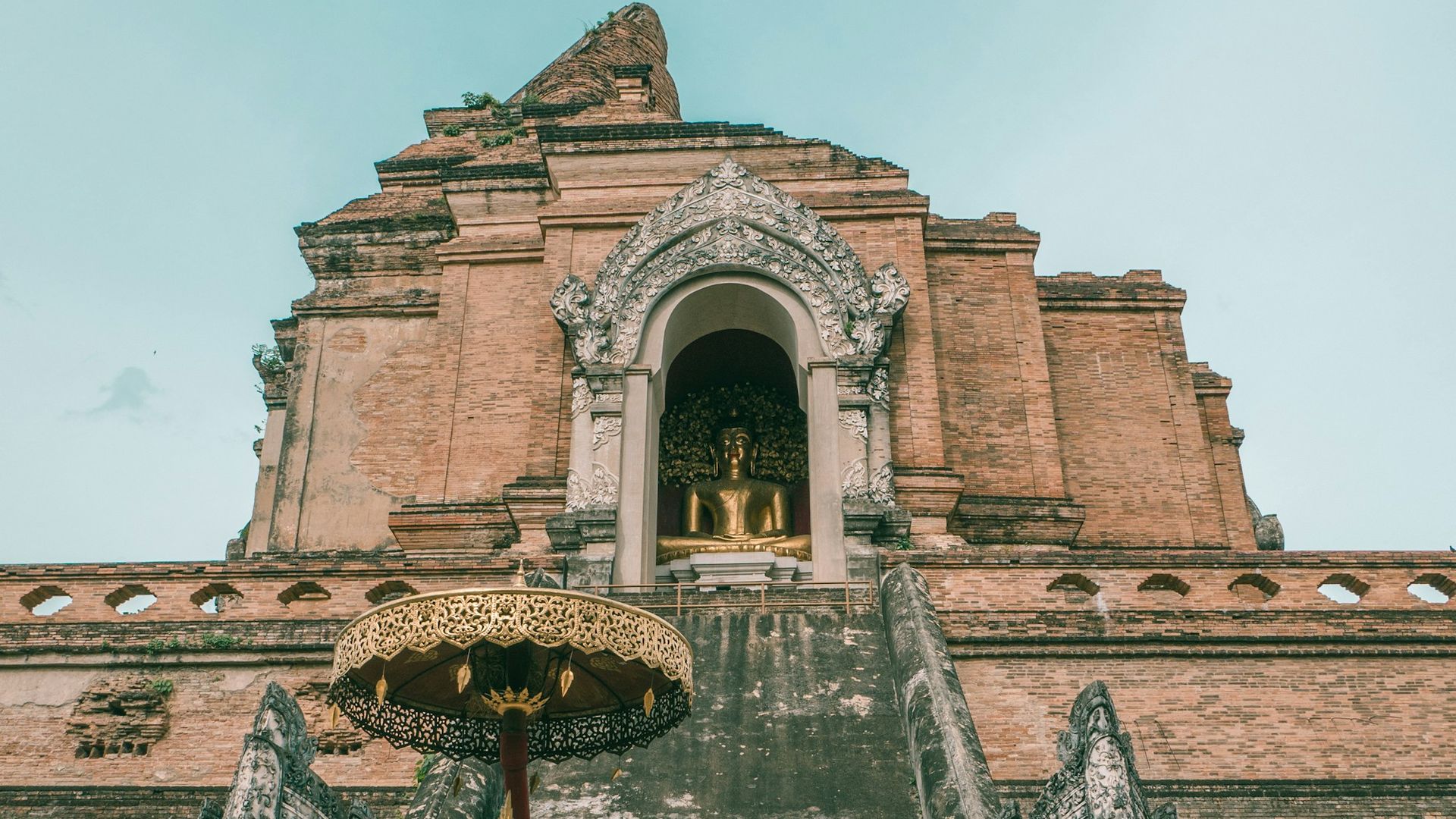
The square Old City, about 1.5 km on each side, is easy to explore on foot. Inside the moat are the city's most important temples, including Wat Chedi Luang, whose great brick chedi lost its top in an earthquake in 1545, and Wat Phra Singh. West of the walls, Nimmanhaemin Road has cafés, galleries and co-working spaces; east, Warorot Market and the Ping River riverside show the older trading city.
Thailand travel essentials: entry checks, money, transport, weather, health and etiquette, plus guides to five destinations.
Read the country guide
Fit check
Culture lovers
Hundreds of Lanna temples, crafts villages and festivals such as Yi Peng and Songkran.
Food travellers
Northern dishes like khao soi and sai ua, markets and cooking classes.
Slow travellers and remote workers
Affordable stays, strong cafés and co-working, and an easy pace.
Logistics
Pay at the counter in arrivals and keep the receipt; confirm the fare for your area first.
15–20 mins
About ฿150–200 (flat rate)
Practical
Like a local
From February to April, haze can be unhealthy even when the sky looks clear. Check a PM2.5 reading near your hotel each morning and move hikes indoors on bad days.
Flag down a red songthaew, name your destination and agree the fare first. Press the roof buzzer to stop and pay when you get off.
During Songkran (13–15 April) the moat becomes a citywide water fight. Bag your phone and expect to be soaked anywhere outdoors.
Cover shoulders and knees, take off shoes in halls, never point your feet at a Buddha image, and if you are a woman, do not touch monks or hand them items directly.
Temples and viewpoints are calmest before 9am, which is also the coolest time of day from March to May.
Photos
Sleep
First-timers: walkable temples and markets
Cafés, nightlife and remote workers
Quieter boutique stays by the Ping River
Local food and lower prices north-west of the moat
Countryside resorts among rice fields
See & do
The Old City's most dramatic temple, built around a 15th-century brick chedi that once rose about 80 m before an earthquake in 1545 brought its top down. The grounds also hold the city pillar shrine and a "monk chat" area where novice monks practise English with visitors.
Chiang Mai's most sacred temple, with a gilded chedi and wide views over the city from the slopes of Doi Suthep. Pilgrims climb the naga staircase and walk clockwise around the chedi.
When to go
Weather unavailable
Best time to visit
November to January for dry, cool weather; avoid Feb–Apr if sensitive to smoke haze.
Climate
Tropical savanna
Summer avg
37°C
Winter avg
16°C
Rainy season
May to October (wettest in August)
Humidity
Moderate
Monthly averages
Weather Tips
Know what to pack
AI-powered packing list for Chiang Mai, Thailand
Try this
Orientation
Answers
November to January is usually best: dry, sunny and cool at night. February to April is hot, and smoke haze is common, especially in March and April. May to October is the rainy season, with cleaner air and green scenery but frequent downpours.
From about February to April, agricultural and forest fires can push PM2.5 to unhealthy levels, sometimes among the worst in the world. Severity varies by year. Check live readings, choose accommodation with air purifiers, carry an N95 or KN95 mask and keep plans flexible, especially if you have asthma or a heart or lung condition.
Three to four days covers the Old City temples, Doi Suthep, a market or cooking class and one day trip. Allow five to seven days to add Doi Inthanon, the sticky waterfall or a slower café-and-crafts pace.
The verdict
Get personalized tips and recommendations from our AI travel assistant
Keep exploring
 asia4.8
Explore Bangkok's vibrant culture, historic temples, and bustling street life.
 asia4.3
Discover Krabi's serene beaches and limestone cliffs, offering a gateway to Thailand's island wonders and vibrant coastal culture.
 asia4.4
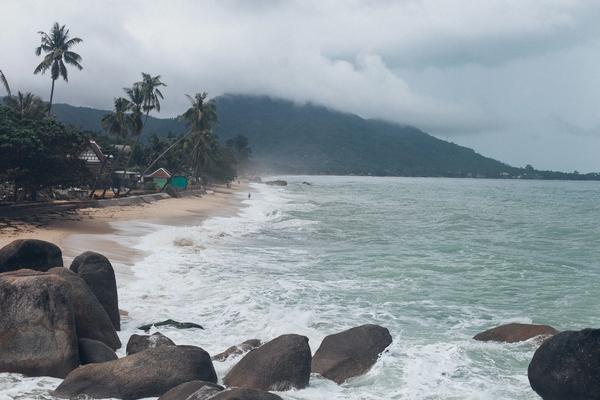
Koh Samui is a Thai island known for its palm-fringed beaches, coconut groves, and luxury resorts that offer a tropical escape.
Nature day-trippers
Mountains, forest trails and waterfalls within an hour or two.
Beach seekers
Chiang Mai is inland; the nearest beaches are a flight away.
Travellers sensitive to air pollution
Smoke haze can be severe from February to April.
Big-city nightlife fans
Nightlife is lively but small compared with Bangkok.
Use the signed ride-hailing pick-up point; the airport lists Grab as an official service.
15–20 mins
Price shown in app
Loops via Nimman, the Old City gates and Night Bazaar; services can be infrequent.
30–45 mins
Flat fare; check at the stop
Visa-exempt stays depend on your nationality and have changed recently. All foreign visitors must complete the Thailand Digital Arrival Card (TDAC) online within three days before arrival.
Rules depend on your passport and change often. Check your government's travel advice and the destination's official immigration site before booking. See our Thailand travel guide.
From Bangkok, flying is fastest. The overnight sleeper takes about 12–13 hours from Krung Thep Aphiwat station (not Hua Lamphong); book on the SRT D-Ticket site, as berths sell out at busy times.
Not sure yet?
Compare Chiang Mai, Thailand with other destinations
Restored 19th-century teak house with suites and a pool
Design hotel with a rooftop pool in the café district
View on Booking.comWe may earn a commission when you book through our links. This doesn't affect the price you pay.
A forest path that climbs from the western edge of the city to Wat Pha Lat, a quiet, moss-covered temple beside a stream. It is a cooler, calmer way up the mountain than the road.
Every Sunday evening Ratchadamnoen Road, from Tha Phae Gate through the Old City, becomes a long market of handicrafts, northern food and temple courtyards full of stalls.
The city's working daytime market, between the Old City and the Ping River. The ground floor sells northern specialities such as sai ua sausage and chilli dips; upper floors sell fabric and household goods.
Chiang Mai's modern quarter of cafés, galleries, boutiques and evening markets, popular with students and remote workers.
A temple west of the Old City known for its white chedis holding the ashes of Chiang Mai's royal family, set against Doi Suthep.
Thailand's highest mountain at 2,565 m, with cloud forest, waterfalls and two royal pagodas. It is a full-day trip about 100 km south-west of the city.
A limestone-coated waterfall about 55 km north of the city that you can climb barefoot, because mineral deposits make the rock grippy rather than slippery.
Several venues near Chiang Mai let visitors watch elephants forage and socialise without riding, bathing or hand-feeding them.
Shared red songthaews leave from near Chiang Mai University and Chang Phuak Gate once they fill, or take Grab or a hired driver. At the top, climb about 300 naga steps or take the inclined lift. Foreign visitors pay a small entry fee; cover shoulders and knees.
Not all of them. World Animal Protection advises choosing observation-only venues, where you watch elephants without riding, bathing, feeding or touching them. Being called a sanctuary does not guarantee good welfare.
Only at permitted sites and times. Yi Peng falls around the November full moon. Releases are banned inside the city and near flight paths, and authorities set specific nights and hours each year. Check the current rules, and be wary of unofficial ticket sites.
Flights take just over an hour and are often inexpensive. The overnight sleeper takes about 12–13 hours but saves a night of accommodation and is an experience in itself. Long-distance trains leave from Krung Thep Aphiwat, not Hua Lamphong.
© 2026 ClickTravelTips. Made for travelers worldwide.