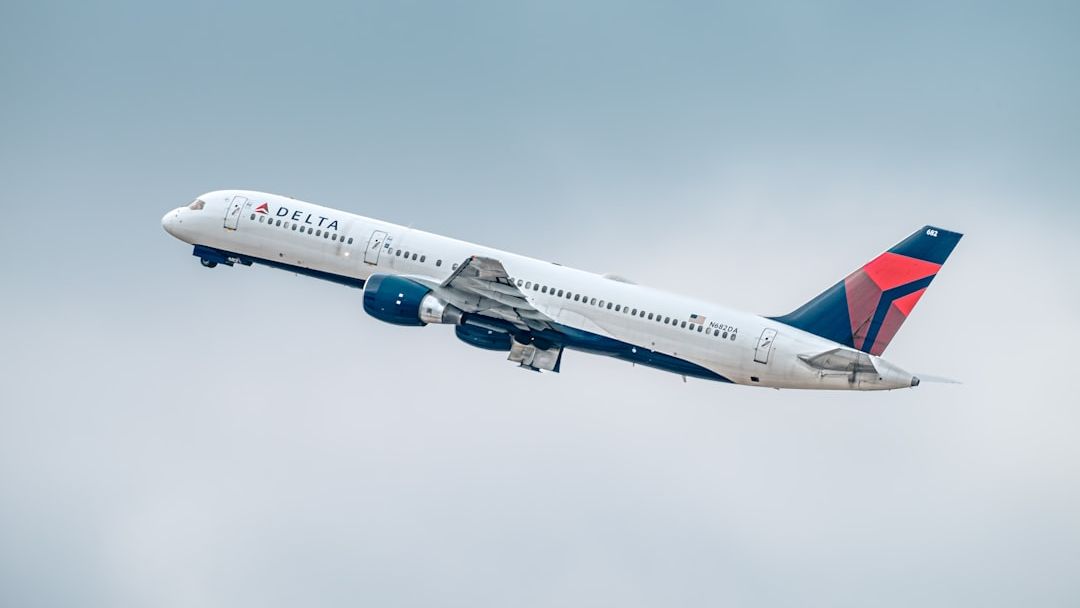
July legal action follows a severe turbulence incident that sent 25 people to hospital and left passengers describing 2.5 minutes of terror.
2 July 2026Source: The Independent TravelOriginally: "Delta Air Lines sued after ‘severe turbulence’ sends 25 people to the hospital"
What Changed
A lawsuit reported on 2026-07-02 alleges that passengers aboard a Delta Air Lines flight suffered injuries during a severe turbulence event. The incident reportedly sent 25 people to hospital, with some passengers describing the experience as “2.5 minutes of terror.” Full route details were not provided in the source material, but the case is significant for international travellers because injury claims on cross-border flights may involve airline liability rules, medical documentation and travel insurance. The lawsuit places renewed attention on turbulence safety, seatbelt use, cabin crew instructions and what passengers should do immediately after an in-flight injury.
Who It Affects
International travellers flying Delta Air Lines or partner airlines, passengers connecting through US hubs, families travelling long-haul, older travellers or those with mobility issues, anyone with pre-existing medical conditions, and passengers who may need to make medical, insurance or airline liability claims after an in-flight injury.
Delta faces legal action after severe turbulence reportedly hospitalised 25 people, raising urgent safety, medical and insurance questions for flyers.
Delta Air Lines is facing legal action after a severe turbulence incident reportedly sent 25 people to hospital, according to a story published on 2026-07-02. Passengers have described the episode as “2.5 minutes of terror,” a phrase that underlines how quickly a routine flight can become a serious medical and safety event. While the source material does not provide full route details, the case matters well beyond one aircraft because turbulence injuries raise practical questions for anyone flying internationally. Travellers should understand what to do before, during and after turbulence, especially if they need medical care, insurance support or evidence for a later claim.
What Happened
The reported lawsuit centres on a Delta Air Lines flight that encountered severe turbulence, resulting in 25 people being taken to hospital. The passengers’ description of the incident as “2.5 minutes of terror” suggests a sudden and intense period of in-flight movement, the kind that can throw unrestrained passengers or loose items around the cabin. The article published on 2026-07-02 does not include enough information to confirm the exact route, altitude, aircraft type or weather pattern involved. However, the scale of reported hospitalisations makes this a serious incident for passengers and a reminder that turbulence preparation is not just a comfort issue.
Why Turbulence Injuries Matter for Travellers
Turbulence is common, but severe turbulence is different because it can cause abrupt vertical or lateral movement of the aircraft cabin. The greatest risk is usually to people who are standing, walking to the toilet, reaching into overhead bins, holding hot drinks or sitting without a fastened seatbelt. Cabin crew can also be vulnerable because their work requires them to move around the aircraft even when passengers are seated. For international travellers, an in-flight injury may also create complicated next steps involving overseas hospitals, airline reports, missed onward flights, travel insurance and possible liability claims.
Who Should Pay Close Attention
This case is especially relevant for passengers flying long-haul with Delta Air Lines, connecting through major US hubs or travelling on international itineraries involving partner airlines. Families with children should be particularly careful because children may loosen belts, sleep across seats or move around the cabin during calm periods. Older travellers, pregnant passengers, people with back or neck conditions, and those with limited mobility should also take extra precautions, as falls or jolts can have more serious consequences. Business travellers with tight connections should prepare for the possibility that a medical incident can disrupt onward travel and require documentation for employers, insurers or booking agents.
Practical tips
Keep your seatbelt fastened whenever seated, even when the seatbelt sign is off, because clear-air turbulence can occur without visible warning and injuries often happen when passengers are unrestrained.
If you are injured in turbulence, notify cabin crew immediately and ask for the incident to be recorded in the flight report, including your seat number, symptoms and any visible injuries.
Seek medical assessment as soon as possible after landing, even for symptoms that seem minor, because concussion, neck injuries, soft-tissue damage and back injuries can worsen after the flight.
Keep all boarding passes, booking confirmations, medical reports, hospital receipts, photographs, witness names and communications with the airline or insurer in one folder before making any claim.
Mistakes to avoid
✕Ignoring minor symptoms after landing can be risky, because delayed pain, dizziness or nausea may be relevant to both your health and any later insurance or legal claim.
✕Assuming standard delay compensation rules automatically cover turbulence injuries is wrong; injury claims may fall under different liability frameworks and require medical proof.
✕Throwing away boarding passes, baggage tags or receipts can weaken a claim, as insurers and airlines often ask for evidence of travel, expenses and timelines.
✕Posting detailed accusations or medical claims on social media before speaking to an insurer or legal adviser may complicate the handling of your case.
Quick checklist
Keep your seatbelt fastened whenever seated
Report any in-flight injury to cabin crew before landing
Get medical documentation as soon as possible
Save boarding passes, receipts, photos and airline messages
Contact your insurer before paying major medical costs where possible
The single most practical step is to keep your seatbelt fastened whenever you are seated, even if the seatbelt sign is switched off. It does not need to be uncomfortable: a low, snug belt across the lap is usually enough to reduce the risk of being lifted from the seat during sudden turbulence. Avoid leaving heavy items loose on your lap or on the floor, and be careful when opening overhead lockers after a rough flight because bags may have shifted. If you need to move around the cabin, time it sensibly, follow crew instructions and return to your seat promptly when the seatbelt sign comes on.
What to Do If You Are Injured
If you are hurt during turbulence, tell cabin crew as soon as it is safe to do so and ask for the injury to be logged in the flight report. Give specific details: your seat number, what happened, where you were in the cabin, what part of your body was affected and whether any objects struck you. If another passenger saw what happened, politely ask for their name and contact details, as witness information may help later. After landing, seek medical assessment quickly, particularly if you have head pain, dizziness, vomiting, numbness, chest pain, neck pain or worsening back pain.
Insurance, Medical Bills and Evidence
Travel insurance can be crucial after an in-flight injury, especially if you are treated abroad or miss a connection because you need medical attention. Contact your insurer as soon as reasonably possible, because some policies require pre-authorisation for non-emergency treatment or private hospital care. Keep every document connected to the incident, including boarding passes, booking confirmations, baggage tags, hospital notes, prescriptions, taxi receipts and hotel bills if your journey is disrupted. Photographs of visible injuries, damaged personal items and the cabin area around your seat may also be useful, provided you can take them safely and respectfully.
Can Passengers Claim Compensation?
Turbulence injury claims are not the same as standard delay or cancellation compensation claims. For international flights, legal responsibility may involve aviation liability rules such as the Montreal Convention, which can apply to bodily injury caused by an accident on board an aircraft or during embarking or disembarking. Whether a specific passenger has a claim depends on the facts, medical evidence, the route, where the ticket was bought, and how the incident is classified. Travellers should avoid assuming they are automatically entitled to a fixed payout and should instead gather evidence, speak to their insurer and consider independent legal advice if injuries are serious.
What to Check Before Your Next Delta Flight
Before flying, check Delta’s official travel advisories and your booking status, especially if your itinerary involves tight connections or weather-prone regions. Make sure your travel insurance is active from the day you leave home, not just from the day you land, and confirm that medical treatment, trip interruption and missed connections are included. If you have a medical condition that could be aggravated by a fall or sudden jolt, speak with your doctor before travel and carry essential medication in your hand luggage. On board, pay attention to safety briefings, keep footwear accessible and avoid unnecessary movement during meal services or when the cabin becomes unsettled.
The Bigger Picture for Air Travel
This lawsuit arrives at a time when turbulence is receiving more attention from passengers, airlines and safety specialists. Modern aircraft are built to withstand turbulence, but passengers inside the cabin can still be injured if they are unbelted or struck by loose objects. Airlines may review crew procedures, seatbelt messaging and passenger communication after serious incidents, but individual habits remain a major part of risk reduction. For travellers, the practical lesson is simple: treat the seatbelt sign seriously, stay buckled when seated and document everything if an injury occurs.
Before long-haul or international trips, check whether your travel insurance covers in-flight injury, emergency treatment in the destination country, missed connections and medical repatriation.