Peru Tourism Corridor Gets $77M
World Bank funding announced in July targets Arequipa and Colca Canyon infrastructure, heritage sites, transport, sanitation and tourism jobs.
What Changed
Who It Affects
A $77.2 million World Bank project will upgrade Peru’s Arequipa–Colca corridor, aiming to improve visitor access, heritage protection and local services.
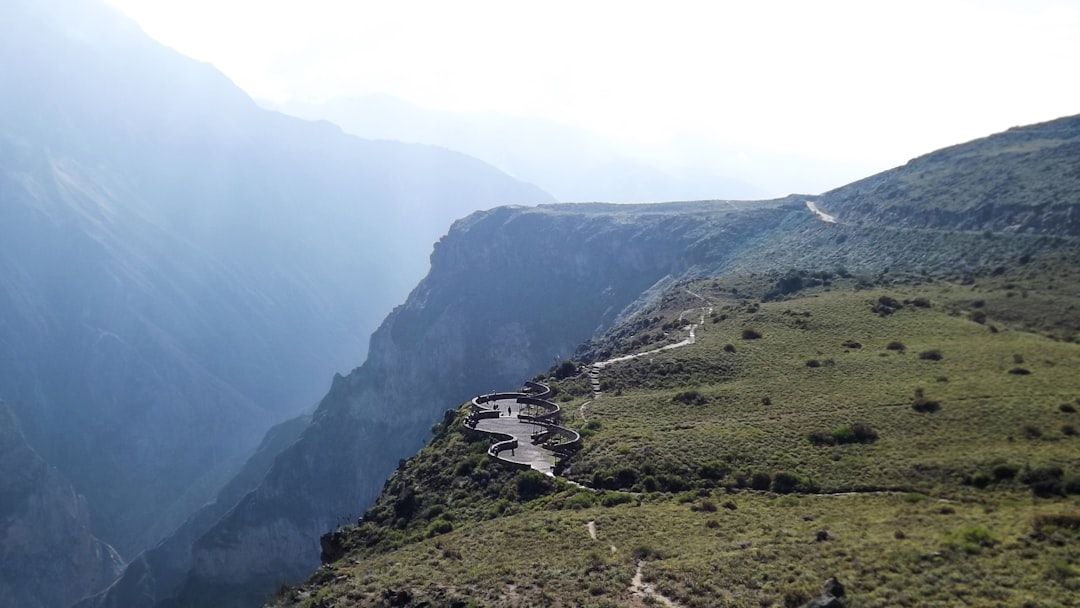
Peru’s southern tourism circuit is set for a major boost after the World Bank approved a US$77.2 million project on 2026-07-10 for the Arequipa–Colca corridor. The funding targets one of the country’s most dramatic visitor routes, linking the colonial city of Arequipa with Colca Canyon, one of South America’s best-known landscapes for hiking, condor viewing and community-based tourism. For travellers, the key point is that this is not an overnight transformation, but it does signal a serious push to improve access, services and destination management. Anyone planning Peru itineraries should watch this corridor closely, especially if combining Arequipa with Cusco, Lake Titicaca or Lima.
What Has Been Approved
The World Bank-backed project is designed to strengthen the Arequipa–Colca tourism corridor through investment in infrastructure, transport, heritage conservation, water and sanitation, and tourism management. These are practical categories that matter directly to visitors: better transport can reduce friction on mountain routes, improved sanitation can raise comfort levels, and stronger heritage management can protect fragile historic and cultural sites. The initiative also aims to attract private investment, which could eventually mean better accommodation, tour services, visitor facilities and local business opportunities. The approval reported on 2026-07-10 marks a funding and planning milestone, not the completion of works.
Why Arequipa And Colca Canyon Matter
Arequipa is one of Peru’s most important cultural cities, known for its white volcanic-stone architecture, historic centre and access to high Andean scenery. Colca Canyon, reached by road from Arequipa through high-altitude landscapes and towns such as Chivay and Cabanaconde, is a major draw for trekking, hot springs, traditional villages and Andean condor viewpoints. Many international travellers visit the region as part of a wider southern Peru route, often moving between Lima, Arequipa, Puno, Lake Titicaca and Cusco. Because the area combines heritage, nature, rural communities and mountain roads, improvements can make a real difference to safety, comfort and sustainability.
What Travellers Should Expect Next
Travellers should not expect every road, viewpoint, toilet facility or heritage site to be upgraded immediately. Large public tourism projects normally move through planning, procurement, construction and rollout stages, and those phases can take time. During implementation, visitors may encounter temporary roadworks, altered access points, construction activity near visitor facilities or changes to local traffic flows. The best approach is to treat the announcement as a positive long-term signal while still planning trips based on current local conditions, recent traveller reports and direct advice from hotels or tour operators.
Practical tips
- Tip 1: Build flexibility into Arequipa and Colca Canyon plans, especially if travelling by road, because infrastructure upgrades can bring temporary detours, delays or changes to viewpoint access.
- Tip 2: Use licensed local operators for Colca Canyon trips, as reputable guides are more likely to know current road conditions, community access rules and any construction-related changes.
- Tip 3: Book accommodation in Arequipa and canyon towns early during peak travel periods, because improved destination promotion and investment may increase demand on popular routes.
- Tip 4: Carry cash, water and offline maps when travelling between Arequipa, Chivay, Cabanaconde and canyon viewpoints, as service upgrades do not mean remote areas already have consistent connectivity or facilities.
Mistakes to avoid
- ✕Mistake 1: Assuming the $77.2 million approval means facilities are already upgraded; the project signals future investment, not immediate completion.
- ✕Mistake 2: Treating Colca Canyon as a simple day trip without considering altitude, long road travel times and early departures, which can make the experience rushed or uncomfortable.
- ✕Mistake 3: Booking the cheapest unofficial transfer or tour, as poor safety standards and limited local knowledge can be risky on mountain roads.
- ✕Mistake 4: Ignoring local community rules and protected-site guidance, which can damage heritage areas and create friction in destinations the project is trying to manage sustainably.
Quick checklist
- Check your Arequipa–Colca route and transfer times before departure
- Confirm whether your hotel or tour operator knows about local roadworks or access changes
- Prepare for altitude with hydration, warm layers and a slower first day in Arequipa
- Verify entry requirements, travel insurance and official Peru safety advice
- Have a backup day in Arequipa or nearby reserves if canyon travel is disrupted


