Ryanair Flags EES Delay Airports
July warning covers peak-summer border queues at busy EU airports and Dover, with UK travellers urged to allow extra processing time.
What Changed
Who It Affects
Ryanair has warned of airports facing the worst delays linked to EU Entry/Exit System checks as Dover also braces for severe summer congestion.
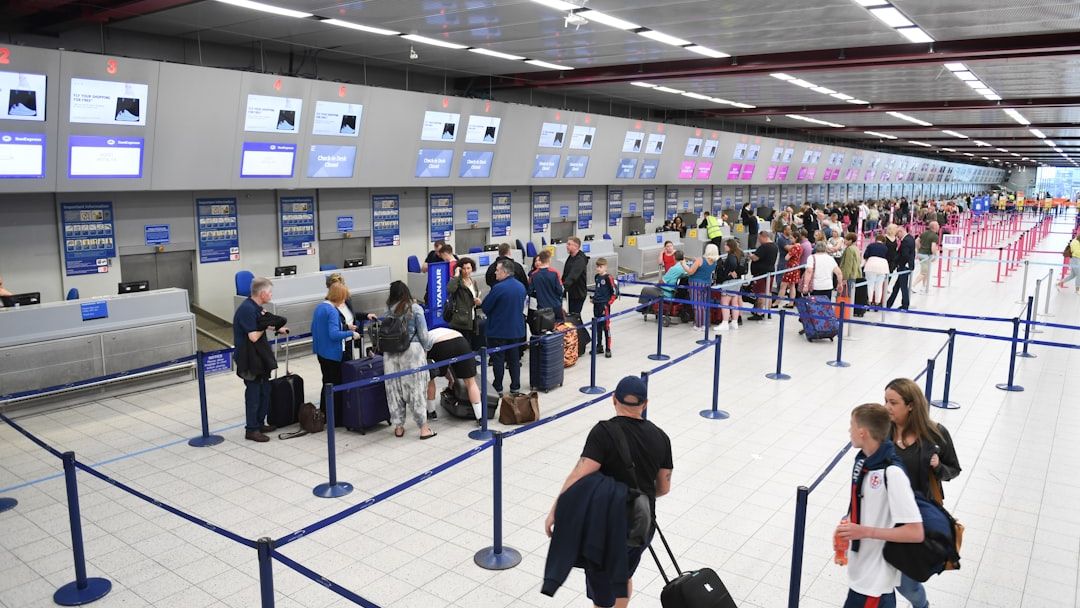
Ryanair has warned travellers to expect disruption at airports struggling with delays linked to the EU Entry/Exit System, adding pressure to an already busy summer travel period. The warning was reported on 2026-07-06 and comes as the Port of Dover separately cautioned that it could face repeated episodes of severe congestion through the summer. For UK travellers, the main concern is extra time at border processing points, particularly when travelling to or from EU destinations during peak holiday periods. The impact could be felt not only in flight delays, but also in missed transfers, longer queues, and more stressful airport and ferry journeys.
What Ryanair’s Warning Means
Ryanair’s warning focuses on airports where border-processing pressure is creating knock-on delays for passengers and airport operations. The EU Entry/Exit System is designed to register non-EU travellers entering and leaving participating European countries, replacing some manual passport stamping with digital records and biometric checks. In practical terms, UK passport holders may need to allow longer at passport control, especially if they are travelling at a peak time or using a busy leisure airport. Even where the flight itself is scheduled normally, slow border flows can affect boarding, stand availability, ground handling and onward transport.
Airports And Routes Most Exposed
The biggest risk is at high-volume Ryanair airports serving popular summer routes between the UK and mainland Europe, including Spanish, Portuguese, French and Italian gateways. Travellers flying to or from places such as Palma de Mallorca, Malaga, Alicante, Faro, Lisbon, Paris-area airports, Milan Bergamo and Rome should be especially alert to local airport warnings. These airports handle large numbers of UK and other non-EU travellers, and queues can grow quickly when several flights arrive or depart close together. The problem is likely to be most visible on weekend departures, early-morning waves, evening returns and school-holiday changeover days.
Why Dover Is Part Of The Same Travel Risk
Although Ryanair’s warning is about airports, Dover matters because it is one of the UK’s most important gateways for cross-Channel travel. Border checks for France take place before departure at Dover, which means congestion can build on the UK side before vehicles board ferries. The port’s warning of repeated severe congestion during summer 2026 is particularly relevant for families, coach groups, caravans and travellers with fixed arrival times in France. If queues stretch back onto approach roads, travellers may experience delays before they even reach ferry check-in.
Practical tips
- Arrive earlier than usual: allow at least 3 hours before short-haul international flights from busy EU airports and more time if travelling with children, checked bags, mobility needs or a large group.
- Check your airport’s live status before leaving: look at Ryanair flight updates, airport queue information and local transport feeds because border delays can build quickly during early-morning and late-evening departure waves.
- Avoid tight self-connections: if you are booking separate Ryanair flights or combining flight, ferry, coach and train travel, leave a wider buffer because missed onward travel may not be protected if tickets are separate.
- Prepare passports before the queue: make sure every traveller’s passport is valid, undamaged and easy to access, and keep boarding passes, accommodation details and return travel proof ready in case border officers ask.
Mistakes to avoid
- ✕Do not assume Ryanair’s low-cost, short-haul model means a quick airport journey; border processing can take longer than security or bag drop at peak times.
- ✕Do not book a same-day separate connection with a narrow window, because Ryanair and ferry operators may treat a missed onward journey as your responsibility if the tickets are not linked.
- ✕Do not wait until the gate area to check delay information; queues may form at passport control, terminal entrances, ferry approaches or airport access roads before you reach airline staff.
- ✕Do not travel with a nearly expired or damaged passport, as any extra inspection at EES-related border processing can add delay and may lead to denied boarding or refused entry.
Quick checklist
- Check Ryanair flight status and airport notices before leaving
- Allow at least 3 hours for busy EU airport departures
- Keep passports, boarding passes and return travel proof ready
- Verify ferry, coach, rail or self-transfer connection times
- Pack water, snacks, medication, chargers and a flexible backup plan


