Airlines Warn Of Schengen Queues
June industry warning says new EES biometric checks at 29 Schengen-area countries could stretch airport border queues and delay flights.
What Changed
Who It Affects
Airports and airlines warn Schengen EES border checks could mean longer queues, missed connections and summer flight disruption for non-EU travellers.
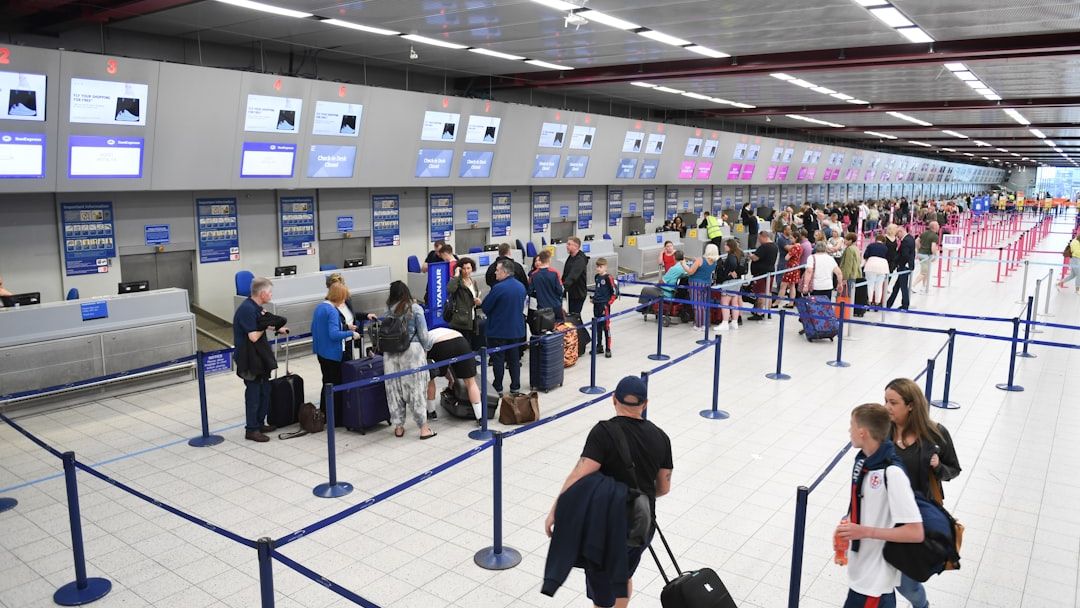
Europe’s aviation industry sounded a fresh warning on 2026-06-30 over the rollout of the Schengen Entry/Exit System, raising concerns that new biometric border checks could create long queues and operational pressure at airports. The warning matters because EES is not just a back-office database change: it affects how many non-EU and non-Schengen travellers are processed when they enter and leave the Schengen area. If airports are not given enough flexibility, airlines and airport operators fear the result could be longer passport-control queues, delayed departures, missed connections and knock-on disruption during the summer peak.
What EES Changes At The Border
The Entry/Exit System is designed to replace manual passport stamping for many short-stay visitors to the Schengen area. It records when eligible non-EU and non-Schengen travellers enter and leave, using passport details and biometric information such as a facial image and, where required, fingerprints. The system is intended to help border authorities track permitted stays, identify overstays and modernise external Schengen border checks. For travellers, however, the first practical change is likely to be more time spent at border control while the new process beds in.
Why Airlines And Airports Are Worried
The aviation industry’s concern is timing and capacity. Summer is already the busiest period for many European airports, with family holidays, long-haul arrivals, cruise connections and city breaks all peaking at once. Adding a new biometric process during a high-demand period could put pressure on border booths, arrivals halls, transfer corridors and departure operations. Even if the EES technology works as intended, queues can build quickly if passengers are unfamiliar with the process, staffing is stretched or airport layouts do not allow enough space for additional checks.
Travellers Most Likely To Feel The Impact
The travellers most exposed are those who need to clear an external Schengen border, especially non-EU visitors arriving from the UK, the United States, Canada, Australia and other long-haul markets. UK travellers should pay particular attention because they are now treated as third-country nationals for Schengen short stays and are therefore within the main group affected by EES processing. Passengers transiting through major hubs may also be affected if their itinerary requires passport control, terminal changes or re-checking bags. EU and Schengen citizens may not go through the same EES registration process, but they can still experience flight delays if airport operations become congested.
Practical tips
- Tip 1: Build extra time into every Schengen airport journey, especially on arrival and departure days; allow at least 2-3 hours for intra-European departures and more for long-haul flights if your airline or airport warns of border delays.
- Tip 2: Avoid tight self-transfer itineraries through major Schengen hubs such as Amsterdam, Paris, Frankfurt, Madrid, Rome and Lisbon, because EES-related queues could make separate-ticket connections risky.
- Tip 3: Check your passport validity, visa status and 90-in-180-day Schengen allowance before travelling, because EES is designed to digitally record entries and exits and may make overstays easier to detect.
- Tip 4: Monitor your airline app, airport website and official EU EES updates before travel; if your airport introduces new instructions for biometric registration, follow them before joining the wrong queue.
Mistakes to avoid
- ✕Mistake 1: Assuming EES only affects first-time visitors; even frequent non-EU travellers may face new digital checks when entering or leaving the Schengen area.
- ✕Mistake 2: Booking separate tickets with short connection times; if you miss the second flight because of border queues, the airline may not be responsible for rebooking you.
- ✕Mistake 3: Ignoring passport and visa rules because you have travelled to Europe before; EES will make border history more visible and could expose Schengen overstays.
- ✕Mistake 4: Waiting until you reach the airport to check official instructions; early guidance from your airline or airport may tell you where to go, when to arrive and what documents to have ready.
Quick checklist
- Add extra airport time for Schengen arrivals, departures and transfers
- Check your airline and airport websites before leaving home
- Confirm passport validity, visa needs and Schengen day count
- Verify whether your connection involves border control or terminal changes
- Have travel insurance, hotel options and backup flights ready


