Heatwave Warning Hits UK Rail
On June 26, Network Rail urged passengers in Met Office red and amber heat zones to travel only if absolutely necessary.
What Changed
Who It Affects
Network Rail has warned passengers to avoid non-essential train journeys in red and amber heat zones as extreme temperatures disrupt UK travel.
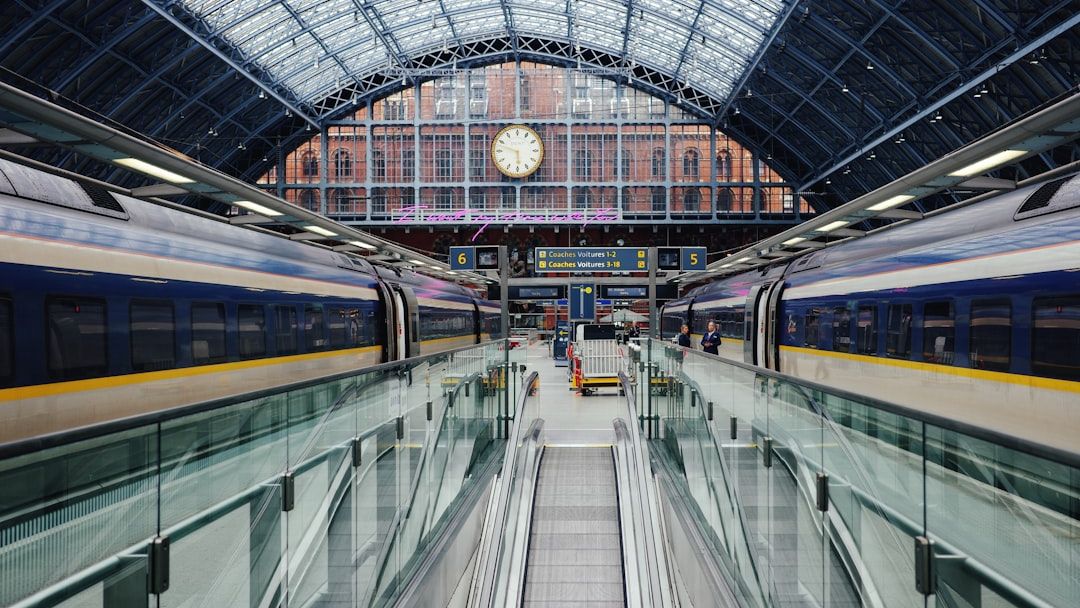
Rail passengers have been urged to rethink non-essential journeys after Network Rail warned that services in Met Office red and amber heat zones should only be used if absolutely necessary. The alert, issued on 2026-06-26, is especially important for international travellers relying on trains to reach airports, seaside resorts, city breaks and major tourist attractions. Extreme heat can affect the railway even when skies are clear, because rails, overhead wires and signalling systems can become vulnerable as temperatures rise. For visitors unfamiliar with the UK rail network, the key message is simple: check before travelling, leave much earlier than usual and have a backup plan.
What Network Rail Is Warning Passengers About
Network Rail’s advice applies to services operating in areas covered by red and amber heat zones from the Met Office, where the risk to infrastructure and passengers is higher. In practical terms, that can mean trains running more slowly, services being reduced, or disruption developing with little warning during the hottest parts of the day. Heat can cause steel rails to expand, overhead power lines to sag and trackside equipment to fail, all of which can force operators to change timetables for safety reasons. Even if your route is not cancelled, slower running can create missed connections and crowding at major stations.
Who Should Reconsider Their Journey
The warning is most relevant to travellers making discretionary trips to tourist hotspots, beach towns, shopping areas, sporting events, festivals and attractions that can be visited another day. It also matters for international visitors who have planned rail-heavy itineraries across the UK, such as arriving at a London airport and taking a train onward to a regional city or coastal destination. Families with young children, older travellers, pregnant passengers and anyone with a medical condition should be especially cautious, because station queues and overheated carriages can make delays more difficult to manage. If your journey is not time-critical, postponing it may be the least stressful option.
Airport, Ferry and Eurostar Connections Need Extra Time
The highest-risk trips are those where a delayed train could cause a missed flight, ferry, cruise departure or international rail connection. If you are travelling to Heathrow, Gatwick, Stansted, Luton, Manchester, Birmingham, Edinburgh or another major transport hub, do not rely on normal journey times while heat warnings are in place. Check your airport’s latest advice, your airline’s check-in deadline and the live status of the train you intend to take before you leave. Where possible, move your rail journey earlier, consider staying overnight near the departure point, or use a coach, taxi or airport hotel shuttle if rail disruption worsens.
Practical tips
- Tip 1: Check your exact train before leaving: use National Rail Enquiries, your train operator’s app and station departure boards, because heat-related speed restrictions can be imposed at short notice.
- Tip 2: Avoid peak heat and peak crowds where possible: early morning or later evening trains are often more manageable than midday services, especially for families, older travellers and visitors with luggage.
- Tip 3: Build in a wider connection buffer: if you are travelling to an airport, Eurostar terminal, ferry port or cruise departure, allow several extra hours rather than relying on the minimum connection time.
- Tip 4: Carry water, snacks, medication and a charged phone: delays in hot weather can leave passengers waiting on platforms or in queues where shops, shade and seating may be limited.
Mistakes to avoid
- ✕Mistake 1: Assuming your booked train will run normally; heat can trigger speed restrictions and timetable changes even when there is no strike or engineering work.
- ✕Mistake 2: Travelling with no water or sun protection; crowded stations and delayed services can make short journeys far more uncomfortable and risky in extreme heat.
- ✕Mistake 3: Leaving airport or ferry connections too tight; a small rail delay can quickly become a missed flight, check-in deadline or onward international connection.
- ✕Mistake 4: Ignoring refund and delay rules; if your service is cancelled or heavily delayed, you may be entitled to a refund or Delay Repay compensation depending on your ticket and operator.
Quick checklist
- Check National Rail and your train operator before leaving
- Confirm whether your route crosses a red or amber heat zone
- Carry water, medication, charger and sun protection
- Verify airport, ferry, cruise or hotel check-in times
- Have a backup train, coach, taxi or accommodation option ready


