EU Border Biometrics Raise Queue Risks
July update: disabled, injured and limited-mobility non-EU travellers face extra planning at 29 Schengen borders as fingerprint and facial-image checks expand.
What Changed
Who It Affects
New EU biometric border checks can mean longer, more physical entry steps for disabled, injured and limited-mobility travellers.
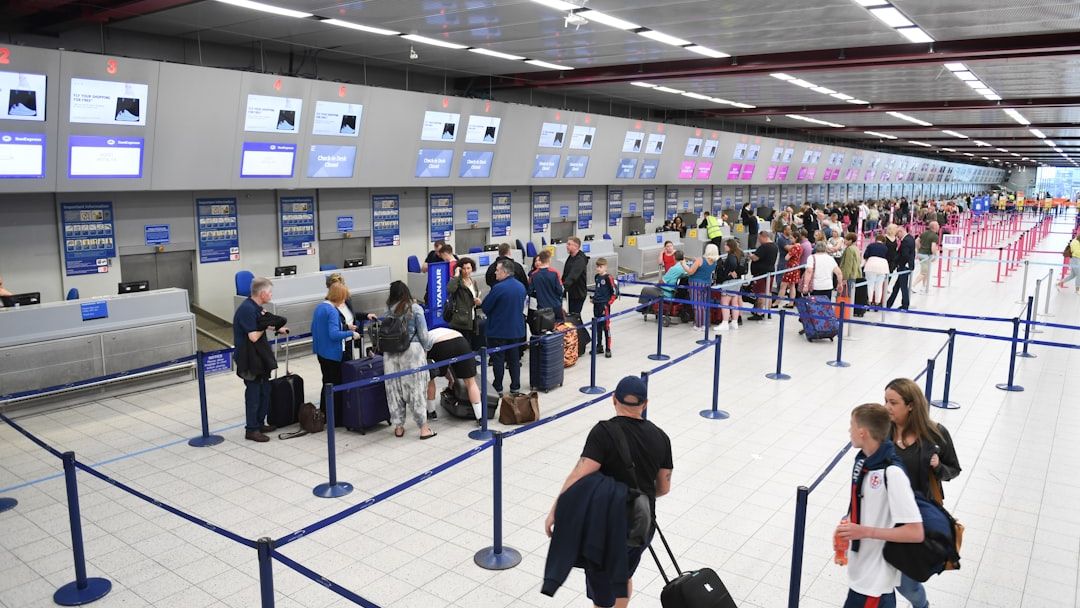
Travellers with disabilities, injuries or limited mobility are being urged to prepare for a more hands-on border process under the EU Entry/Exit System. On 2026-07-15, The Independent reported concerns about how biometric data collection could affect people who find long queues, standing, touchscreens, cameras or fingerprint scanners difficult to use. The system is designed to replace manual passport stamping for many non-EU short-stay visitors entering and leaving the Schengen area. For travellers who need assistance, the key issue is not just delay, but making sure support is available at the exact point where border checks take place.
What The Entry/Exit System Changes
The EU Entry/Exit System records the movement of many non-EU nationals who enter the Schengen area for short stays. Instead of relying on a passport stamp, border authorities use digital records linked to a traveller’s passport and biometric information. Depending on nationality, visa status and previous registration, the process may involve a facial image and fingerprints as part of entry or exit processing. This can mean using a kiosk, standing in a designated area for a photo, placing fingers on a scanner, and then continuing to a border officer for checks.
Why Disabled Travellers May Face Extra Barriers
For many passengers, a longer border queue is inconvenient; for disabled and limited-mobility travellers, it can be a serious access issue. Some people cannot stand for extended periods, move quickly between lanes, reach a kiosk screen, hold a steady pose for a camera or place fingers flat on a scanner. Travellers with chronic pain, temporary injuries, tremors, prosthetics, visual impairments or hidden disabilities may need more time and clearer support. Neurodivergent travellers may also find crowded, noisy and uncertain queues particularly difficult if the process is not explained in advance.
Routes And Border Points Most Likely To Matter
The system applies at external borders of Schengen-area countries, so the impact depends on where you first enter or finally leave the Schengen zone. That includes major European airports, international ferry terminals, land crossings and rail terminals where passport control is carried out before travel. UK travellers should pay particular attention to routes using French border controls before departure, including some rail and ferry journeys, because border formalities may happen before boarding rather than after arrival. Cruise passengers, coach passengers and travellers on multi-leg itineraries should identify the first Schengen entry point, not just the final destination.
Practical tips
- Tip 1: Book special assistance with your airline, rail operator, ferry company or coach provider as early as possible, and repeat the request at least 48 hours before departure so staff can plan help through check-in, security, boarding and border control.
- Tip 2: Carry clear written information about your access needs, including whether you cannot stand for long periods, cannot use a touchscreen, cannot provide fingerprints with one or both hands, or need a companion or staff member to remain with you.
- Tip 3: Build in extra connection time when entering or leaving the Schengen area, especially if you are changing flights, joining a cruise, catching an onward train or relying on pre-booked ground transport.
- Tip 4: Ask border or terminal staff for an accessible lane, seated waiting option or manual processing if a kiosk is not physically usable for you; do this before joining a long general queue where possible.
Mistakes to avoid
- ✕Mistake 1: Assuming biometric registration will be as quick as a normal passport stamp, because first-time registration can take longer and may involve several physical steps.
- ✕Mistake 2: Waiting until you reach the border booth to mention a disability or injury, as staff may be able to redirect you earlier if they know you need accessible processing.
- ✕Mistake 3: Booking tight onward connections after Schengen entry, because queues at passport control can create missed trains, transfers, tours or domestic flights.
- ✕Mistake 4: Travelling without written access notes or medical context, since explaining needs under pressure in a busy border hall can be difficult, especially for hidden disabilities.
Quick checklist
- Request special assistance with your transport operator before travel
- Check whether your route uses Schengen external border controls
- Prepare written notes explaining mobility, sensory or biometric difficulties
- Verify connection times, transfer windows and onward transport flexibility
- Have medication, mobility essentials and emergency contacts in hand luggage


