EU Delays €20 Travel Authorisation
July rollout pause follows IT issues and long EES border queues affecting international travellers entering the EU
What Changed
Who It Affects
The EU is delaying its €20 pre-travel authorisation system after IT problems and long EES border queues raised concerns for international travellers.
The EU is expected to delay the next phase of its €20 pre-authorisation travel system after border technology problems and long queues raised concerns for international travellers. On 2026-07-07, sources said IT issues affecting the wider border rollout had contributed to the decision to slow down implementation. The change matters because ETIAS is set to affect millions of visa-exempt visitors who currently travel to much of Europe without applying in advance. For now, travellers should treat the delay as breathing space, not as a reason to ignore changing entry rules.
What Is Being Delayed
The system at the centre of the delay is ETIAS, the European Travel Information and Authorisation System. Once active, it is expected to require visa-exempt non-EU travellers to obtain approval before entering the Schengen Area for short stays. The reported fee is €20, and the authorisation is designed to be checked before travel, rather than completed at the border on arrival. The delay means eligible travellers should not rush into paying for applications unless the official EU portal confirms the system is open.
ETIAS is separate from EES, the Entry/Exit System, but the two projects are closely connected in practice because both affect how non-EU travellers are processed at Europe’s external borders. EES is intended to digitally record entries and exits, replacing manual passport stamping for many visitors. Sources said long queues and IT difficulties linked to the new border environment helped trigger caution over the next phase. That is why travellers may still face delays even though the €20 pre-authorisation requirement has reportedly been pushed back.
Why Border Queues Matter
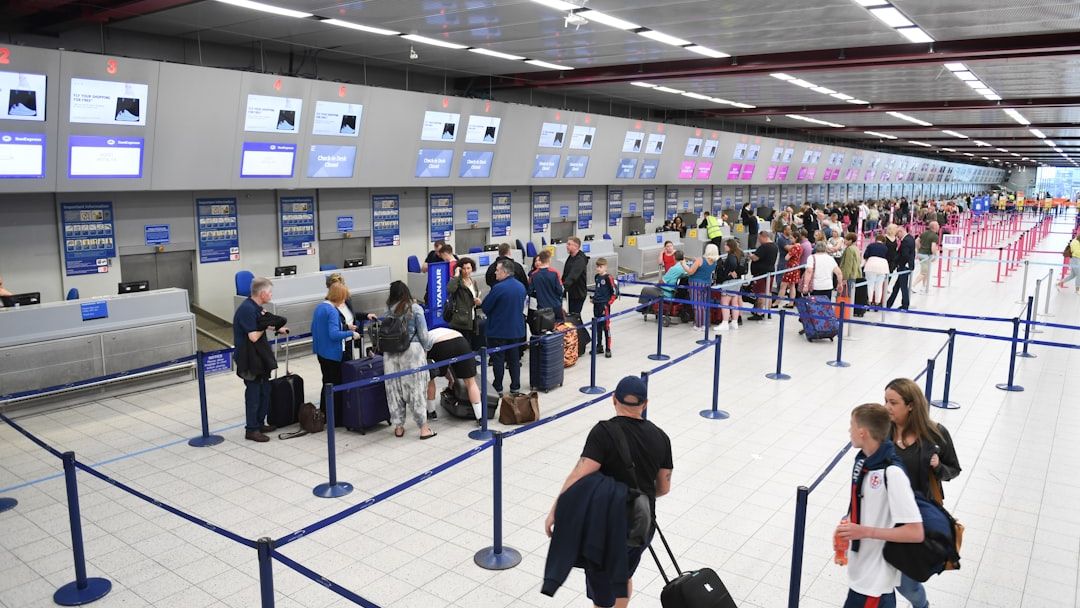
Border queues are not just an inconvenience for holidaymakers; they can disrupt entire travel itineraries. If arrivals are held up at passport control, travellers can miss onward trains, internal flights, ferries, hotel check-in windows, car hire collections, or cruise embarkation times. The risk is highest at busy entry points where several long-haul flights, ferry arrivals, or international rail services land close together. Families, older travellers, tour groups, and passengers with reduced mobility may feel the impact more sharply because they often need more time to move through terminals.
The main practical concern is uncertainty: travellers may not know in advance whether a specific airport or port is operating smoothly on the day they arrive. Technology problems can also be uneven, meaning one border post may be relatively calm while another experiences a backlog. If manual checks or additional identity-verification steps are needed, queues can build quickly during peak arrival periods. This makes generous connection times and flexible booking conditions more important than usual.
Practical tips
- Tip 1: Do not apply through unofficial websites claiming urgent ETIAS processing; use only the official EU ETIAS site once applications open, as the system has reportedly been delayed.
- Tip 2: Allow extra time at Schengen entry points even if ETIAS is not yet active, because EES-related checks and IT issues may still slow arrivals at airports, ports, rail terminals, and road borders.
- Tip 3: Check your passport validity before travel; many European countries require a passport issued within the last 10 years and valid for at least three months after your planned departure from the Schengen Area.
- Tip 4: Keep evidence of accommodation, return or onward travel, travel insurance, and funds available, as border officials may still ask standard entry questions even while ETIAS is delayed.
Mistakes to avoid
- ✕Mistake 1: Assuming the delay removes all border checks; EES and normal passport-control requirements can still apply and may continue to create queues.
- ✕Mistake 2: Paying a third-party site for a fake or premature ETIAS application, which could cost more than the official €20 fee and expose your personal data.
- ✕Mistake 3: Booking a tight onward train, ferry, or flight immediately after EU arrival; border-processing delays could make you miss a separate connection with limited refund rights.
- ✕Mistake 4: Ignoring official updates until departure day, as ETIAS and EES rules may change quickly and airlines or transport operators may adjust document checks.
Quick checklist
- Check whether ETIAS applications are officially open before paying any fee
- Review passport validity and Schengen entry rules before travelling
- Arrive earlier than usual at airports, ferry ports, and international rail terminals
- Save booking confirmations, return tickets, and accommodation details offline
- Have a backup plan for missed onward connections caused by border queues


