Europe Heatwave Warnings Hit Holidays
July alerts remain active across France, Spain and Portugal as extreme heat disrupts sightseeing, transfers and outdoor plans.
What Changed
Who It Affects
Heat warnings remain in place across Spain, France and Portugal, affecting city breaks, beach holidays and family travel plans.
Heat warnings remained in place across several of Europe’s most popular holiday destinations on 2026-07-06, with Spain, France and Portugal all affected. For travellers, the immediate issue is not simply hotter-than-average weather, but the practical effect on sightseeing, transfers, family routines and health. Flights and hotels may continue to operate as normal, while the on-the-ground experience can still change sharply if authorities advise people to avoid exertion, stay indoors or take extra precautions. Anyone travelling in the region should plan each day around heat safety rather than assuming a standard summer itinerary will work.
What Changed for Holidaymakers
The key change is the continuation of official weather warnings across parts of France, Spain and Portugal, all of which are major destinations for international travellers. These warnings are usually issued when temperatures, humidity and overnight conditions create increased risks for the public, particularly vulnerable groups. Unlike a transport strike or airport closure, a heat alert does not always produce one clear list of cancelled services, but it can affect walking tours, queues, excursions, public events and long journeys without shade or cooling. Travellers should expect conditions to vary between cities, coastal resorts and inland areas, so local alerts matter more than broad country-level forecasts.
When Is the Next Heatwave Expected?
There is no single Europe-wide start time for the next heatwave because warnings are issued by national and regional forecasters based on local thresholds. On 2026-07-06, alerts were still active across affected holiday regions, meaning travellers should treat the risk as current rather than waiting for a separate future announcement. The safest approach is to check your destination’s official weather warning map before departure, again after arrival and then daily during your trip. If your route includes multiple stops, such as flying into France before continuing to Spain or Portugal, check each location separately because the risk level may differ significantly.
Destinations Most Likely to Feel the Impact
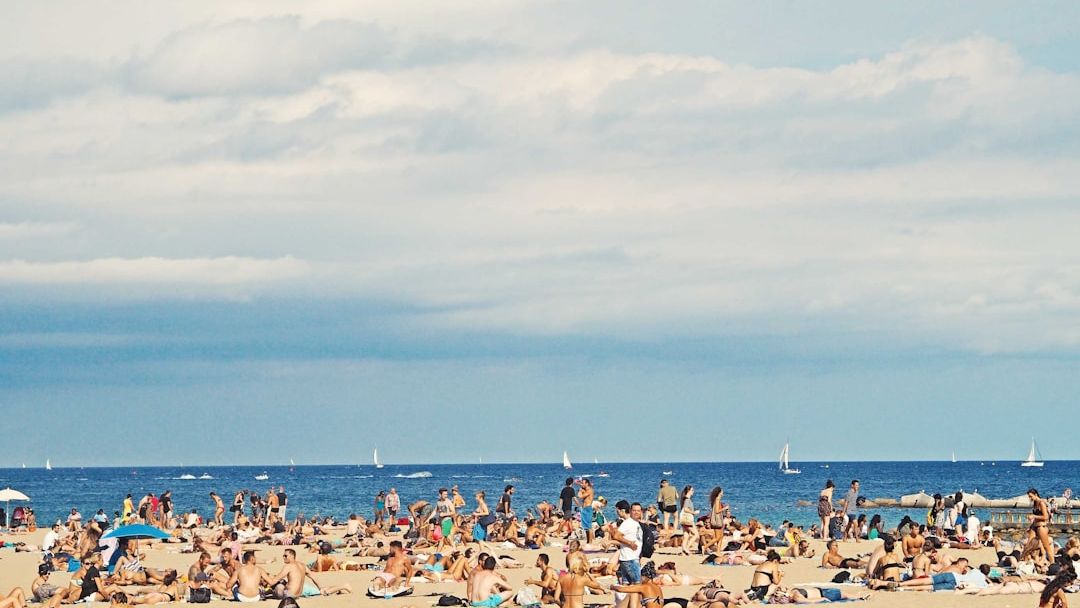
Spain, France and Portugal all attract large numbers of summer visitors, but heat affects different holiday styles in different ways. City breaks can be especially tiring because travellers often walk long distances on exposed streets, wait in queues and use public transport during busy periods. Beach trips may feel easier, but sun exposure, dehydration and hot accommodation can still cause problems, particularly for children and older travellers. Inland areas, rural villas and sightseeing routes away from sea breezes can also feel much hotter than coastal resorts, so do not rely on a beach forecast if your plans include day trips.
Practical tips
- Tip 1: Check official weather alerts every morning and evening using national forecasters or Meteoalarm, because heat warnings can change quickly by region and severity level.
- Tip 2: Move sightseeing, walking tours and beach activity to early morning or evening, and avoid strenuous outdoor plans during the hottest part of the day.
- Tip 3: Confirm your accommodation has working air conditioning before arrival, especially for apartments, older hotels and rural stays where cooling may be limited.
- Tip 4: Carry water, oral rehydration sachets, sun protection, a hat and any essential medication in your hand luggage or day bag, not in checked luggage or a parked car.
Mistakes to avoid
- ✕Mistake 1: Assuming a heat warning means business as usual with extra sunshine; official alerts are issued because heat can create real health risks and service disruption.
- ✕Mistake 2: Booking non-refundable daytime excursions without checking cancellation or rescheduling policies, as extreme temperatures can make outdoor tours uncomfortable or unsafe.
- ✕Mistake 3: Relying only on a generic weather app, because national warning systems provide more useful local risk levels and public safety advice.
- ✕Mistake 4: Forgetting travel insurance limitations, as many policies do not cover changing plans simply because the weather is unpleasant unless there is a defined insured event.
Quick checklist
- Check Meteoalarm and the national weather service for your destination
- Confirm your hotel or rental has functioning air conditioning
- Reschedule outdoor activities away from peak afternoon heat
- Pack water, sun cream, hat, sunglasses and essential medication
- Keep a shaded indoor backup plan for each day


