Air India Launches Easy Connect
New hub-and-spoke service starts in June, linking Indian cities such as Varanasi with international routes including Dubai.
What Changed
Who It Affects
Air India’s new Easy Connect model aims to make international trips from Indian cities smoother, starting with Varanasi passengers connecting onward to Dubai.
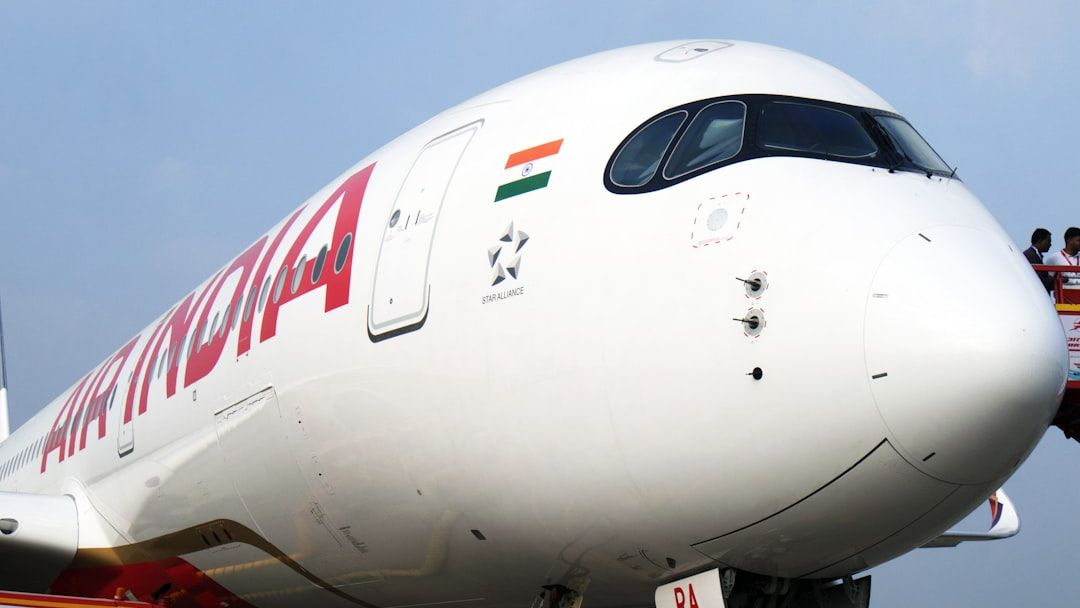
Air India launched its first Easy Connect flight on 2026-06-27, introducing a new hub-and-spoke model designed to link more Indian cities with international routes. The inaugural service, AI1111, departed Varanasi at 09:23 AM with passengers connecting onward to overseas flights, including Dubai. For travellers, the change is less about a single new flight and more about how Air India intends to package domestic Indian sectors and international journeys into smoother connected itineraries.
What Easy Connect Means
Easy Connect is Air India’s new approach to moving passengers from regional or non-metro Indian cities into larger hub airports, where they can board international services. Under a hub-and-spoke system, smaller cities act as spokes feeding passengers into main hubs, which then connect to long-haul and regional international routes. This can be especially useful in a country as geographically large as India, where many travellers otherwise need separate domestic flights, overnight stops, or complicated self-transfers before leaving the country.
The first service highlighted Varanasi as a starting point, with international passengers using the flight to connect onward through Air India’s wider network. Dubai is one of the key affected international markets mentioned in the launch, making the new model relevant for UAE-bound travellers, Indian expatriates, business flyers, and families visiting relatives. If the system expands as intended, similar connections could make it easier for passengers outside India’s largest cities to reach global destinations without building their own multi-ticket itinerary.
Who Should Pay Attention
The most immediate beneficiaries are passengers beginning their journey in Indian cities that do not have the same level of international connectivity as Delhi, Mumbai, Bengaluru, or other major gateways. Travellers from Varanasi heading to Dubai, for example, may be able to use a domestic feeder flight and connect onward within the Air India network. This is also relevant for international visitors planning trips into India, as the model could make it simpler to reach cultural, religious, or business destinations beyond the biggest airports.
Families, elderly travellers, and passengers carrying checked baggage should look closely at how the ticket is issued. A properly connected itinerary can reduce stress because the airline is more likely to assist if an inbound delay affects the onward flight. However, if travellers book separate tickets, they may need to collect bags, check in again, and absorb the cost of a missed onward flight if the first leg is delayed.
Practical tips
- Tip 1: Book the full domestic and international journey on one ticket where possible, as this usually gives stronger protection if a domestic delay causes you to miss the onward international flight.
- Tip 2: Check whether your baggage is tagged through to your final destination at check-in, especially if you are connecting from an Indian domestic airport to an international Air India service.
- Tip 3: Build in extra connection time during the early rollout period, as new hub-and-spoke schedules can involve unfamiliar airport flows, terminal changes, or additional document checks.
- Tip 4: Confirm visa, passport, and transit requirements for your final destination before departure, including Dubai entry rules if the UAE is part of your itinerary.
Mistakes to avoid
- ✕Mistake 1: Booking separate domestic and international tickets to save money, because missed connections may then be treated as your responsibility rather than the airline’s.
- ✕Mistake 2: Assuming baggage will automatically transfer, as through-checking depends on the ticket, airport, airline handling process, and final destination.
- ✕Mistake 3: Leaving too little time between flights, which can be risky if you need to change terminals, clear security again, or complete international document checks.
- ✕Mistake 4: Not checking the latest flight status before leaving for the airport, especially during the launch phase of a new connection model.
Quick checklist
- Confirm your full Air India itinerary is on one booking reference
- Check flight AI1111 or your feeder flight status before travelling
- Ask at check-in whether bags are tagged to the final destination
- Verify passport, visa, and Dubai entry requirements if applicable
- Save Air India support contacts and later flight options


