EES Border Delays Hit Europe
July queues at European borders are pushing international travellers to add hours, not minutes, between flights, ferries, trains and hotel check-ins.
What Changed
Who It Affects
EES border delays are disrupting European trips, making travel buffers essential for flights, ferries, trains, transfers and same-day connections.
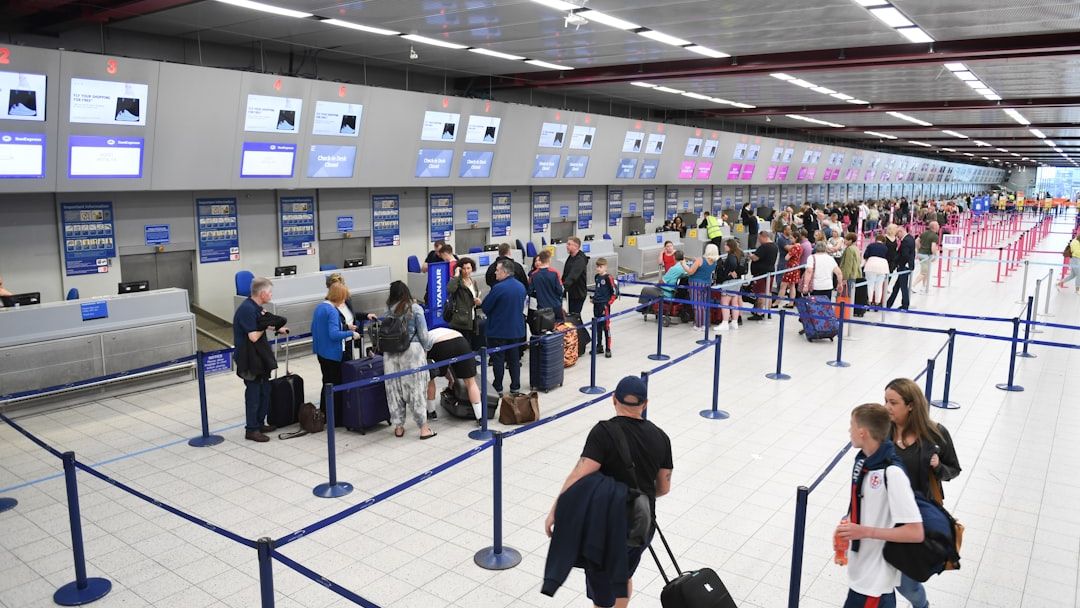
Border delays linked to Europe’s Entry/Exit System are forcing travellers to rethink one of the most overlooked parts of trip planning: the travel buffer. On 2026-07-10, The Independent Travel reported that more people are deliberately adding extra time between flights, ferries, trains and check-ins to avoid one queue ruining an entire itinerary. The issue is especially important for international travellers entering or leaving the Schengen Area, where additional passport and biometric checks can create unpredictable waits. The practical message is simple: a buffer of minutes is no longer enough on many cross-border journeys.
What Has Changed at European Borders
The Entry/Exit System is designed to record the movements of non-EU travellers entering and leaving the Schengen Area, replacing some passport stamping with digital checks. In practice, that means extra processing at border points, including airports, ferry terminals, international rail stations and land crossings. Even when the technology works smoothly, the first-time registration process and higher passenger volumes can slow queues at peak times. The problem for travellers is that the delay is not always visible when booking, because it can happen after landing, before boarding, or between two separate transport legs.
Why a Travel Buffer Matters Now
A travel buffer is the deliberate gap you leave between one time-sensitive stage of your trip and the next. That might mean landing the night before a cruise, allowing four hours between an international train and a flight, or choosing a later ferry rather than relying on a perfect journey to the port. EES delays make this more important because border queues are difficult to predict and can vary dramatically depending on staffing, passenger numbers, terminal layout and the number of travellers needing additional checks. The safest buffer is one that protects your most expensive or least flexible booking, not just the next item on your schedule.
Who Faces the Highest Risk
The highest-risk travellers are those on separate bookings, because airlines, ferry companies and rail operators usually treat each ticket independently. If you arrive late after a border delay and miss a separately booked onward flight, the next carrier may not have to rebook you for free. Families are also vulnerable because children, luggage, pushchairs and group passport checks naturally slow movement through terminals. Business travellers, cruise passengers and people attending weddings, tours or fixed-time events should be particularly cautious, because the real cost of a missed connection can be far higher than the transport fare.
Practical tips
- Tip 1: Add a realistic border buffer: allow at least 3 hours before short-haul flights from busy European airports, 4 hours for ferry or rail-to-flight connections, and a full overnight stop if you are connecting on separate tickets.
- Tip 2: Avoid same-day separate bookings where possible: if your first flight, train or ferry is delayed by border queues, the next operator may treat you as a no-show if the tickets are not linked.
- Tip 3: Travel earlier in the day: morning and early-afternoon arrivals usually give you more rebooking options than late-night services, when desks close and onward transport may be limited.
- Tip 4: Keep documents ready before the border: passports, visas, hotel addresses, return tickets, insurance details and proof of onward travel should be accessible offline to reduce delays at control points.
Mistakes to avoid
- ✕Mistake 1: Assuming a one-hour international connection is still safe; EES processing can turn a routine border crossing into a queue that wipes out tight transfer windows.
- ✕Mistake 2: Booking separate flights on the same day without protection; if the first leg is late, the second airline is usually not responsible for rebooking you.
- ✕Mistake 3: Arriving at ferry ports, rail terminals or airports at the old minimum time; updated border checks mean previous habits may no longer be enough during peak periods.
- ✕Mistake 4: Forgetting that compensation may not apply; border-control delays can fall outside an airline’s control, so insurance and flexible tickets matter more than relying on payouts.
Quick checklist
- Add a 3-4 hour buffer before international departures
- Check airport, ferry, rail and airline updates before leaving
- Save boarding passes, booking references and hotel details offline
- Verify passport validity, visa rules and Schengen entry requirements
- Have a backup train, ferry, coach or overnight hotel option ready


